
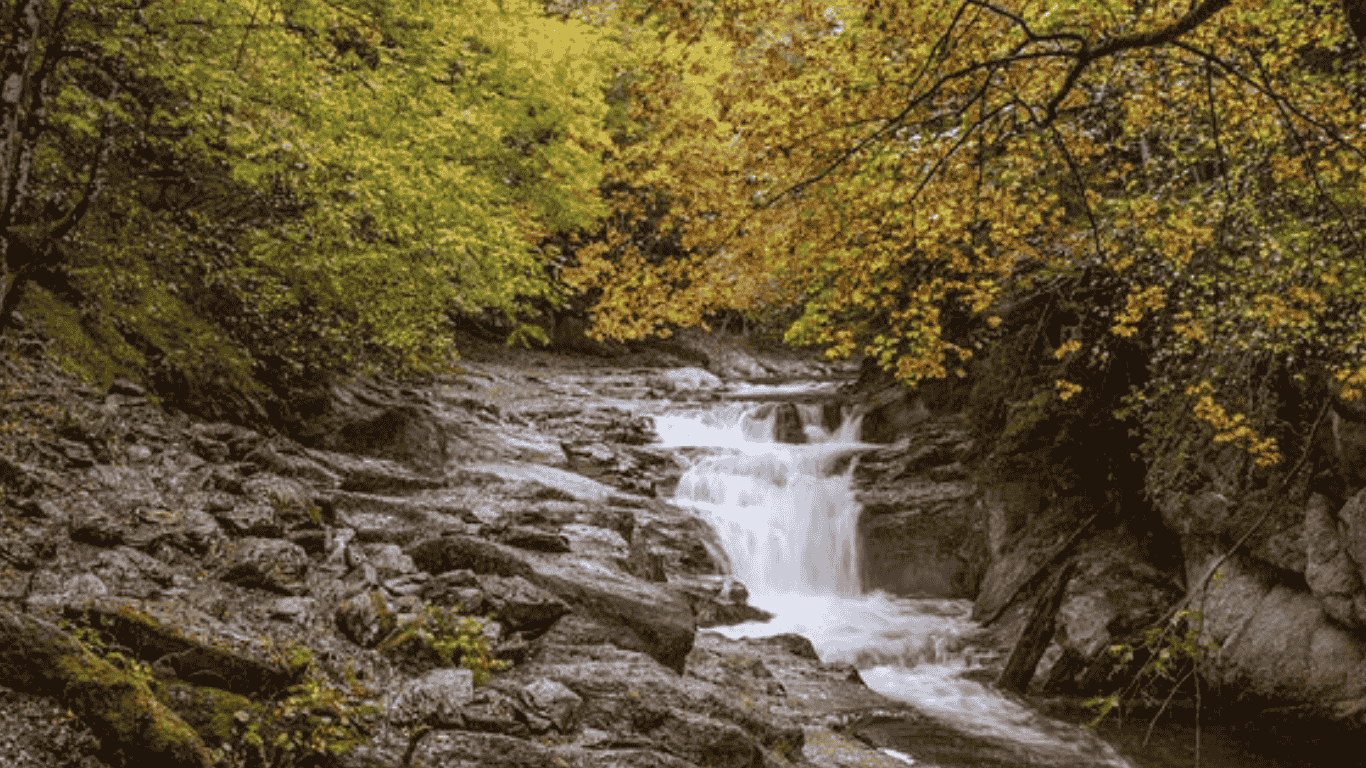
Texas isn’t the first place people think of when they picture waterfalls, and honestly, that’s part of the appeal. When waterfalls do appear here, they feel earned. Most are shaped by limestone, rainfall patterns, and spring-fed systems that change with the seasons. Some are dramatic only after rain. Others flow steadily enough to plan a trip around.
If you’re thinking about planning an RV trip specifically to see waterfalls in Texas state parks, the key is knowing which parks are dependable, which ones are weather-dependent, and when timing matters more than the calendar. This guide walks through the best Texas state parks for waterfalls and helps you decide which ones are worth building a trip around.
What to Know Before Planning a Waterfall Trip in Texas
Texas waterfalls are very different from mountain-state waterfalls. Many are seasonal. Some are wide limestone cascades instead of tall drops. Flow can change quickly after rain, and in some parks, high water can also mean restricted access for safety.
The upside? When conditions line up, these parks are stunning — and far less crowded than famous waterfall destinations in other states.
If your goal is to guarantee a waterfall, focus on spring-fed locations. If you’re flexible and enjoy seeing nature change with the weather, some rain-dependent parks are well worth the gamble.
Colorado Bend State Park – The Most Reliable Waterfall Experience
If you only choose one Texas state park for waterfalls, Colorado Bend State Park should be at the top of the list. Gorman Falls is one of the tallest and most visually striking waterfalls in the state park system, and it’s fed by a spring rather than rainfall alone.
That spring-fed flow is what makes this park special. While recent rain can make the surrounding creek system look even better, the waterfall itself doesn’t disappear during dry stretches the way many Texas falls do.
The hike to Gorman Falls is moderate to challenging. It’s rocky, uneven, and includes elevation changes, so this is not a casual stroll. The payoff is a lush, green, almost unexpected landscape that feels far removed from typical Texas terrain.
Best time to visit:
Spring and fall offer the most comfortable hiking conditions. Winter can also be a good option on mild days. Summer hikes are doable but require extra water and an early start.
Who should plan this trip:
RVers who want a true destination waterfall and don’t mind earning it with a hike.
McKinney Falls State Park – Waterfalls Near the City
McKinney Falls State Park proves that you don’t have to drive deep into the Hill Country to see waterfalls. Located just outside Austin, this park features two main waterfall areas where Onion Creek flows over limestone ledges.
These are not towering waterfalls, but they are scenic, accessible, and ideal for a short trip or weekend stop. The creek carves smooth rock formations that look especially dramatic when water levels are up.
Because the park is close to a major city, it can get busy. That’s the trade-off for convenience.
Best time to visit:
Spring and fall are ideal for the weather. Water flow depends heavily on rainfall. After storms, the falls are more impressive — but high water can also limit access.
Who should plan this trip:
RVers looking for an easy-access waterfall stop paired with hiking, biking, or city exploration.
Pedernales Falls State Park – Wide Limestone Cascades
Pedernales Falls State Park offers one of the most iconic waterfall scenes in Texas, even though the falls aren’t tall. Instead of a single drop, the Pedernales River spreads across wide limestone shelves, creating layered cascades that stretch across the riverbed.
When the river is flowing well, the scene is dramatic and powerful. During drier periods, the water recedes and reveals sculpted rock formations and calm pools.
This park is a good reminder that Texas waterfalls are about scale and texture as much as vertical height.
Best time to visit:
Spring is usually the safest bet for flow and weather, but recent rainfall matters more than the season. Always check river conditions before visiting.
Who should plan this trip:
RVers who enjoy scenic views, photography, and exploring river landscapes, rather than chasing a single dramatic drop.
Inks Lake State Park – A Waterfall Bonus When Conditions Are Right
Inks Lake State Park isn’t known primarily for waterfalls, but when Spring Creek is flowing, the Valley Spring Creek waterfall is a pleasant surprise. It’s smaller than others on this list, but it adds a scenic element to an already well-rounded park.
This is a great example of a park where the waterfall shouldn’t be the only reason you go — but it’s a nice bonus if conditions line up.
Best time to visit:
After periods of rain, when Spring Creek is active. Spring and fall offer the most comfortable temperatures.
Who should plan this trip:
RVers who want lake access, hiking, and a chance at a waterfall rather than a guaranteed one.
Cleburne State Park – A Spillway That Acts Like a Waterfall
Cleburne State Park features a three-tiered spillway that looks surprisingly waterfall-like after rain. While it’s a manmade structure, it delivers a cascading water effect that’s easy to access and visually impressive when water levels are high.
This park works especially well for families or anyone who wants a waterfall experience without a long or difficult hike.
Best time to visit:
Shortly after rainfall. During dry periods, the spillway may have little to no flow.
Who should plan this trip:
RVers in North Texas are looking for a low-effort waterfall stop combined with hiking and biking trails.
Lockhart State Park – Small Falls with Historic Character
Lockhart State Park offers a quieter, more understated waterfall experience. A small cascade flows over a historic check dam built during the Civilian Conservation Corps era, adding a layer of Texas history to the visit.
This isn’t a dramatic waterfall destination, but it’s charming and pairs well with the park’s relaxed atmosphere.
Best time to visit:
Any time water is moving, especially after rain.
Who should plan this trip:
RVers who enjoy history, low-key scenery, and combining a park visit with nearby attractions.
How Many Waterfall Parks Are There in Texas?
The reality is that Texas doesn’t have dozens of reliable waterfall parks. Most are clustered in Central Texas and the Hill Country, and many depend on rainfall. That’s why the best approach is to plan around one dependable location and treat others as weather-based bonuses.
Trying to chase multiple waterfalls without considering conditions often leads to disappointment. Planning smart leads to great trips.
Final Planning Tips for Waterfall Trips
Check conditions close to your travel date. Texas waterways change quickly, and safety closures happen for good reason.
Plan hikes early in the day. Cooler temperatures and better light make a big difference.
Wear shoes with good traction. Wet limestone and algae-covered rock can be slick.
Stay flexible. Sometimes the best waterfall trips are the ones where the park surprises you.
For Further Reading check out our “Best of Texas State Parks” page.
Leave a Reply