
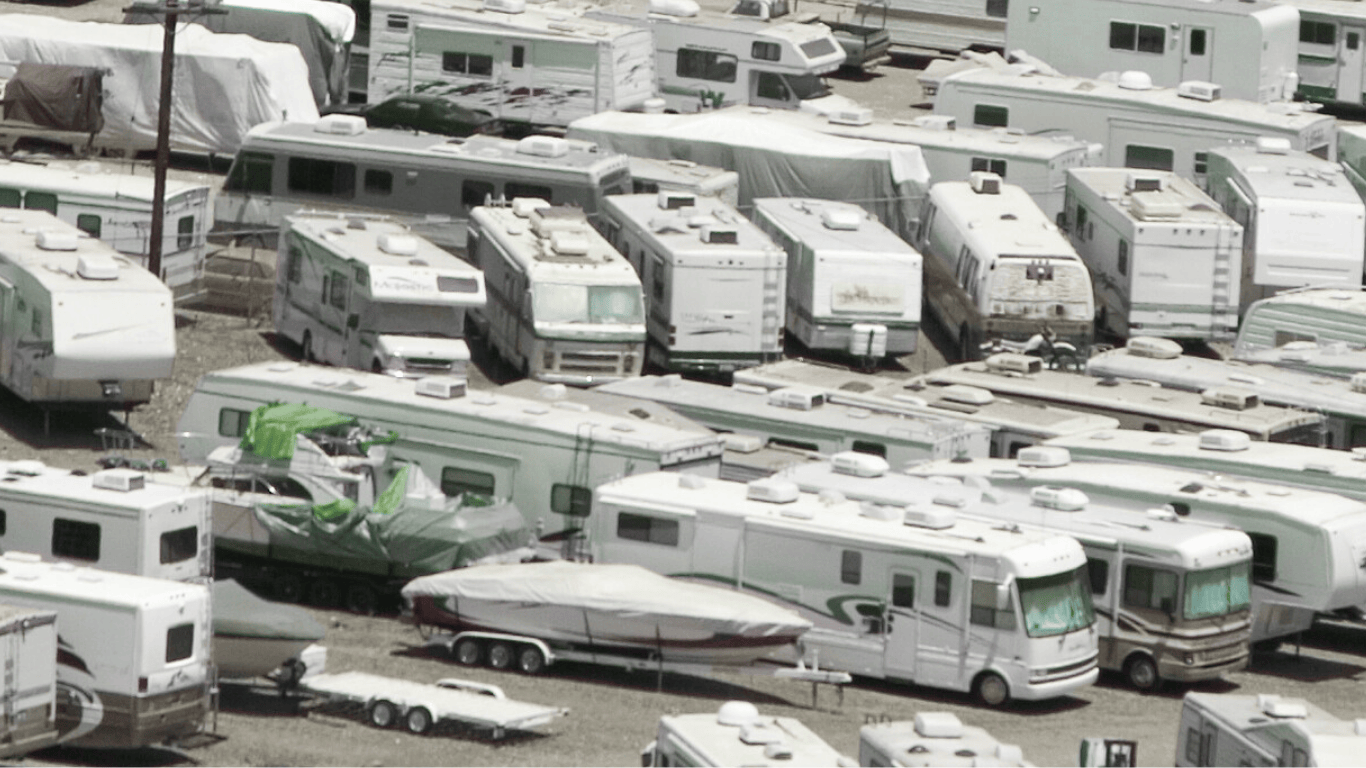
As the camping season comes to a close and the cooler months arrive, many RV owners prepare to store their rigs for the winter. Putting an RV into storage might seem simple, but skipping steps or taking shortcuts can lead to costly repairs when it’s time to go camping again. Who wants that? From plumbing problems to critter invasions, winter storage mistakes can cause frustration and leave your wallet lighter come spring.
This guide highlights common winter storage mistakes made by RV owners and offers tips to help you avoid them. Knowing what to do and what to avoid will help keep your RV secure and prepared for your next trip.
1. Forgetting to Drain and Winterize the Water System
One of the biggest winter storage mistakes is leaving water in the RV’s plumbing system. Even in milder climates, overnight freezes can cause pipes to crack, fittings to burst, or the water heater tank to split.
How to avoid it:
- Drain fresh water, gray water, and black water tanks completely.
- Use compressed air or RV antifreeze to flush water from the lines. Only use RV Antifreeze.
- Don’t forget the water heater, low-point drains, and outside shower.
2. Skipping Battery Care
Batteries don’t fare well when left sitting for months in cold weather. Allowing them to discharge completely shortens their lifespan. For more information on keeping your batteries healthy throughout the year, check out our guide on RV battery care.
How to avoid it:
- Disconnect the batteries if your RV will be in storage for more than 30 days.
- Store batteries in a cool, dry place and check the charge levels monthly.
- Use a battery trickle charger/maintainer to keep them healthy.
3. Leaving Food or Crumbs Inside
It only takes a single granola bar or a few crumbs to invite mice, ants, and other pests to take up residence in your RV over the winter.
How to avoid it:
- Remove all food, including canned goods, spices, and pet food.
- Wipe down counters, sweep floors, and vacuum upholstery.
- Leave cabinet doors slightly open so you’ll notice pests sooner in spring.
4. Ignoring Pest Prevention
Even if food is gone, your RV still makes a cozy winter home for critters. Rodents chew wires, shred insulation, and cause expensive damage.
How to avoid it:
- Seal gaps around pipes, vents, and wiring with steel wool or expanding foam.
- Use peppermint oil pest repellents designed for RV use.
- Place traps around tires or storage areas if rodents are a problem in your region.
5. Forgetting to Ventilate
Many RV owners close everything up tightly for winter, only to open the rig months later to find mildew and musty odors.
How to avoid it:
- Use vent covers like Maxx Air that allow air circulation while keeping winter elements out.
- Place moisture absorbers, such as Damp Rid or silica gel, inside the RV.
- Crack windows slightly if stored in a covered location.
6. Not Protecting Tires
Tires are easy to forget during storage, but they can dry out, crack, or develop flat spots.
How to avoid it:
- Inflate tires to the recommended PSI before storage.
- Park on rubber pads or leveling blocks instead of bare concrete.
- Use tire covers to protect tires against UV damage.
- If possible, move the RV a few inches each month to prevent flat spots.
For more information about tire care, see our Tire Care Tips for Every Season guide
7. Overlooking the Propane System
Leaving propane tanks connected and open during storage is dangerous and unnecessary.
How to avoid it:
- Tightly close the propane valves.
- Remove portable propane tanks and store them in a propane storage bag in a well-ventilated area.
- Inspect hoses and regulators.
8. Neglecting Regular Check-Ins
Many owners improperly store their RVs and neglect them until the next camping season, often leading to unexpected issues.
How to avoid it:
- Visit your RV monthly if possible.
- Check for water intrusion, pest activity, and battery charge levels.
9. Not Prepping Appliances and Electronics
Moisture and lack of use can cause significant damage to appliances, refrigerators, and entertainment systems.
How to avoid it:
- Defrost and wipe dry the refrigerator. Leaving doors propped open with a fridge door prop (we use pool noodles to prop the fridge and the freezer open).
- Unplug small appliances.
- Remove batteries from remotes, smoke detectors, and clocks.
10. Skipping a Final Walkthrough
The last of the winter storage mistakes is rushing the process and forgetting important details.
How to avoid it:
- Use a winter storage checklist to cover plumbing, electrical, and exterior tasks.
- Do a complete walkthrough before locking up.
- Snap photos of your RV’s condition for insurance purposes.
Final Thoughts
Storing your RV for the winter doesn’t have to be stressful, but avoiding these winter storage mistakes is key to saving time, money, and frustration later. A little extra preparation now means you’ll roll into worry-free camping season, with your RV in top condition.