
The devastating Hill Country floods on the 4th of July were a wake-up call for many Texans. My husband and I weren’t directly affected, but watching how quickly conditions changed sparked a serious conversation: What safety equipment should we have in our RV to be ready for anything?
That talk became a “what should we pack for emergencies?” These are the essentials we believe every camper should carry, plus environment-specific gear for mountains, rivers, beaches, and deserts. If you’ve ever wondered how to stay safe while RV camping, these tips will help you prepare with confidence.
Whether your plans take you to the mountains, rivers, coastline, or desert, the right safety equipment is just as important as your route, reservations, and packing list.
Basic RV Camping Safety Tips for All Campers
- First-aid kit: Stock antiseptic, burn cream, tweezers, bandages, and electrolyte packets.
- Weather radio (hand-crank/solar): Critical for receiving alerts in areas without cell service.
- LED flashlights and headlamps: Have one for each person plus spare batteries.
- Multi-tool: A compact, all-in-one device for quick repairs.
- Portable power bank: Keeps phones, GPS devices, and radios charged during outages.
- High-visibility safety vest: For roadside emergencies or low-light conditions.
- Roadside safety kit: Include reflective triangles, LED flares, and a tire repair kit.
Why it matters: These items address the most common travel emergencies—injuries, power outages, and roadside breakdowns.
RV Camping Safety Tips for Mountain Trips: Gear & Hazards

- Altitude-ready clothing: Layer for warm days and cold nights.
- Wildlife deterrent: Bear spray or approved deterrents for the region.
- Trail GPS or offline maps: Cell phone coverage is unreliable at high elevations.
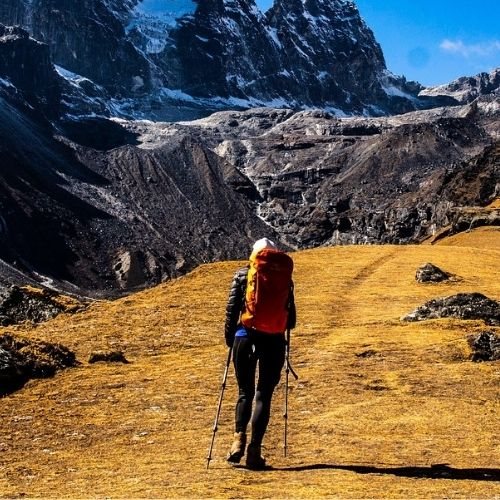
- Trekking poles: Provide stability on steep or uneven terrain.
Why it matters: Mountains can pose a challenge even to experienced campers. Having the right gear reduces the risks associated with weather shifts, terrain hazards, and wildlife.
RV Camping Safety Tips for River or Lake Destinations

- Personal flotation devices (PFDs): One per person, regardless of boating plans. Don’t forget your four-legged family members. Choose one like this one with a “handle” to help out.
- Waterproof dry bags: Keep electronics, clothing, and documents safe.
- Throw rope or rescue line: Essential for emergency water rescues.
- Water shoes: Protect feet from rocks, shells, and sharp debris.
Why it matters: Water conditions can change suddenly, especially after upstream rainfall. The right gear could prevent accidents or loss of valuable items.
RV Camping Safety Tips for Beach or Coastal Areas
- Take a NOAA weather radio, especially during hurricane season.
- Use sand stakes or heavy-duty anchors: standard tent stakes won’t hold in soft sand.
- Lightweight emergency tarp: Protection from wind and rain.
- Portable shade structure: Prevents overheating and sun-related illness.
Why it matters: Coastal conditions can change quickly. Proper anchoring and weather readiness keep your camp secure and comfortable.
RV Camping Safety Tips for Desert Adventures
- Extra water storage: Always bring more than expected.
- UV-protective clothing and wide-brim hats: Reduce heat exhaustion risk.
- Cooling towels: Compact and effective for cooling down.
- Snakebite kit: Only if appropriate for your travel area.
Why it matters: Dehydration and heat-related illness are real risks in desert environments. Prevention is the key.
Pet Safety Preparedness for RV Camping
- Second leash: Keep one near the RV door for emergencies. Keep this leash in the same place so you know where to find it when you are under stress due to emergency.
- Collapsible Water Bowl: Hydration on the Go.
- Pet-specific first-aid kit: Approved by your veterinarian.
- Extra food in waterproof storage: Keeps meals safe during delays.
- Updated ID tags and microchip registration: Ensures a lost pet can be returned.
Why it matters: In emergencies, having pet gear ready saves precious time and keeps them safe.
How to Build Your Customized RV Safety Kit
1. Start with universal essentials – First-aid kit, weather radio, flashlights, multi-tool, and safety vest.
2. Add environment-specific gear – Tailor items for mountains, rivers, beaches, or deserts.
3. Include pet safety items – They have different needs than humans, but if you will be by water, include a life jacket for your pets-not all of them instinctively know how to swim (this is a fact, ask your vet).
4. Review and restock regularly – Replace expired supplies and dead batteries. When preparing your RV for the upcoming camping season, this would be a good time to check all your emergency gear.
Why it matters: No two trips are the same. A flexible, well-maintained safety kit means you’re always ready.
Final Thoughts on RV Camping Safety Tips
The right safety gear doesn’t just protect you—it gives you the confidence to enjoy your trip. Whether it’s a sudden weather change, a roadside breakdown, or a wildlife encounter, preparation lets you focus on making memories instead of managing crises.
Before your next adventure, run through your RV safety gear checklist. Adjust for your destination, pack with purpose, and you’ll be ready for whatever the road (or the weather) brings.
Safe Travels.
More from RV Noni:
Here are a few tips on keeping cool in the Texas heat.
Do you know what to do in the event of a roadside emergency on Texas roads?