
In my family, I’m teased the most about two things: being a perpetual list maker and putting everything into a sheet protector. It’s become a running joke, but here’s the truth — if I don’t make an RV Checklist, something important is always forgotten. Always.
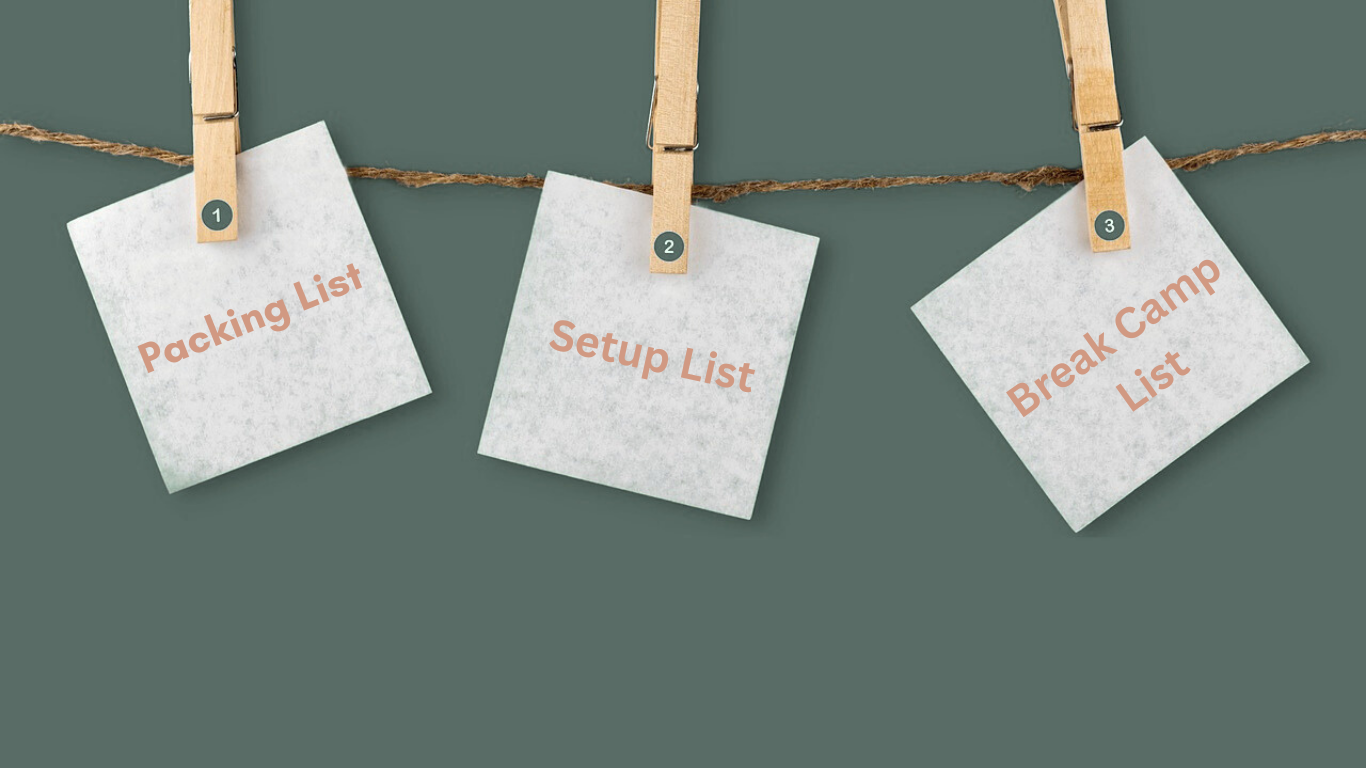
However, I’ve learned that lists aren’t just my quirk — they make the difference between a smooth, stress-free trip and one filled with “oh no, we forgot…” moments. Whether it’s a packing list, a setup checklist, or a break camp routine, having a list keeps the chaos in check for me and makes sure nothing gets left behind.
Let’s dive into the RV checklists every camper should create and USE—packing lists, setup lists, break-down lists, and even meal and clothing lists if you want to get really organized. But the key is not just to make the list but to use it every single time.
The Master Packing List: Your First Line of Defense
Think of the packing list as your “do not leave home without it” guide. It’s the list that guarantees everything gets into the RV every single trip, no matter how rushed or distracted you are during loading.
Why It Matters
- Prevents forgetting gear: Nobody wants to camp without chairs, flashlights, or bug spray.
- Reduces decision fatigue: Instead of trying to remember everything from scratch, the list does the heavy lifting.
- Saves time: No more running back inside the house five times before departure.
How to Build It
- Divide it by categories: Kitchen, bedding, bathroom, outdoor, electronics, and pet supplies.
- Add seasonal extras: Cold-weather blankets in the fall, swim gear in the summer.
- Keep it editable: Use a note app, spreadsheet, or even a laminated checklist you can mark with dry-erase markers.
Over time, you’ll refine your packing list to match your camping style. Some RVers even develop a list that stays in the RV permanently, making packing quicker and easier.
The Setup List: Starting on the Right Foot
Getting to the campsite can feel both relieving and exciting. You’ve finally arrived! However, jumping into setting up without a plan can cause you to miss important steps or even damage equipment. That’s when your setup checklist becomes very useful.
Why It Matters
- Prevents mistakes: Skipping or reordering steps can damage your motorhome or hookups.
- Keeps everyone on the same page: When family members or travel partners contribute, the checklist helps ensure nothing is forgotten.
- Reduce stress: Instead of worrying about what’s next, you can go through the setup with confidence and consistency.
What to Include
- Park and position the RV, ensuring it is level, with ample slide clearance, and free of overhead obstacles.
- Set the parking brake and activate the leveling system to stabilize the coach.
- Connect shore power first, then water, and finally sewer.
- Once stabilized and powered, extend the slides and awnings.
- Finish by arranging your outdoor space—chairs, rugs, tables, grill, or anything else that makes camp feel like home. Then proceed to setting up the inside.
Having this list means you’re not relying on memory—because let’s face it, excitement and fatigue can cloud judgment. The list ensures every trip starts on solid ground.
The Break Camp List: Leaving Without Regrets
Leaving the campground often comes with distractions—chatting with neighbors, checking departure times, or wrangling kids and pets. That’s when mistakes happen, like pulling away with the antenna still up or leaving the water hose coiled at the campsite.
Why It Matters
- Protects your RV: Failing to retract stabilizers or slides properly can cause damage.
- Prevents lost items: No more driving back for forgotten cords or rugs.
- Speeds up departure: A step-by-step process keeps things moving smoothly.
What to Include
- Turn off and disconnect utilities.
- Retract slides and awnings. For many RVs, the driver’s seat must be in a fully upright position to prevent damage to the seat.
- Secure all loose items inside the RV.
- Double-check compartments and storage bays-closed and locked?
- Walk around the RV one final time before hitting the road.
Bonus Lists for the Ultra-Organized (or List-Obsessed Like Me)
The three big lists—packing, setup, and breaking camp—are must-haves. But if you’re a list lover (guilty as charged), a few extras can make RV life even easier.
Meal Planning & Shopping List
For me, this one quickly became non-negotiable. In the beginning, I’d plan meals and pack the main dish into the RV fridge, only to realize I’d forgotten the little extras—like Parmesan cheese for spaghetti or salsa for tacos. So, I started writing out a menu for the whole trip, listing every single ingredient needed for each meal, right down to salt and pepper.
That worked beautifully until we took the grandkids camping. I thought pancakes on Saturday morning would be a big hit, but I hadn’t written down syrup and butter. Let’s say it was a close call—thankfully, the camp store came to the rescue.
Planning meals not only saves money but also avoids frustration when you realize you’re missing ingredients in the middle of nowhere. The easiest way to stay on track is to:
- Plan meals for the number of days you’ll be camping.
- Build your grocery list directly from that plan.
- Check off each item as it goes into the RV kitchen.
2. Clothing List
Some campers think writing down clothes is unnecessary, but it really helps cut down on overpacking and keeps the important things from being left behind. When you’re packing for kids or multiple people, a clothing checklist makes it easy to double-check that everyone has the basics—socks, jackets, swimwear, and anything else they’ll need. If you camp often, consider keeping “camping clothes” in the RV for easy access. Wear, wash, and return to the RV for the next trip.
3. Pet Supply List
Don’t forget about your furry friends. Food, bowls, leashes, meds, bedding, and toys should all travel with you.
Paper, Digital, or Both?
There’s no right or wrong way to keep your RV checklists. Some campers love paper—they print a fresh one for each trip and tuck it into a binder. Others swear by apps like Google Keep, Notes, or AnyList that let them check off items on their phone. The key is to choose what works for you.
- Paper pros: Tangible, visible, and easy to mark up.
- Digital pros: Always with you, easy to edit, shareable with family members.
- Hybrid system: Print the “non-negotiables” like setup and break-down, but keep your packing list digital for updates.
The important part isn’t the format you use; it’s that you use the list consistently.
Why Lists Work So Well
Beyond the obvious benefit of not forgetting things, checklists play a bigger role in RV life:
- They build routine. Over time, setup and departure become smoother because the steps are reinforced.
- They reduce stress. You spend less time worrying and more time enjoying yourself.
- They save money. Fewer last-minute purchases of forgotten items.
Think of it this way—pilots use checklists before every flight, even though they’ve flown thousands of times. If it’s good enough for aviation, it’s good enough for RVing.
Final Thoughts
RV life is about freedom, but freedom feels a whole lot better when it’s backed by organization. Having a general packing list, setup list, and break camp list transforms the way you camp. It turns chaos into routine and anxiety into confidence. Add optional lists for meals, clothing, pets, and entertainment, and you’ll never be caught unprepared again.
So, whether you’re a paper-and-pen planner or a digital note-taker, commit to building (and actually using) these lists. You’ll find yourself spending less time stressing and more time enjoying the reason you bought the RV in the first place—making memories on the road.