
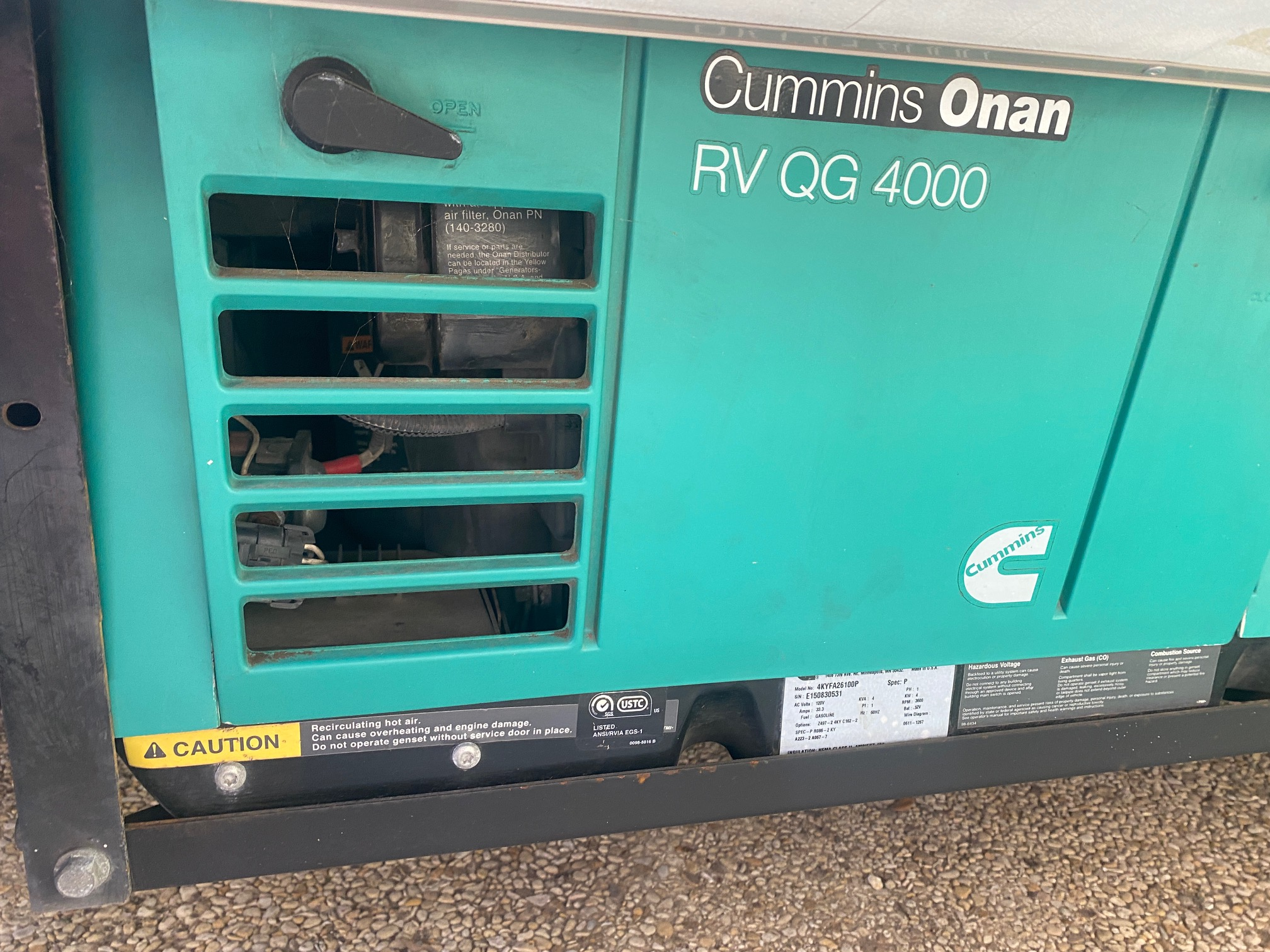
Regular RV generator maintenance is one of the smartest things you can do as an RV owner. Without dependable power, you risk losing access to important appliances like your air conditioning, refrigerator, microwave, and outlets you rely on every day. A little maintenance can go a long way in preventing expensive repairs and keeping you comfortable on the road.
Most Class C and Class A motorhomes come with an onboard generator, while some fifth wheels and travel trailers can be ordered with one installed. The same fuel usually powers these onboard generators as the RV itself. Gasoline motorhomes are equipped with gas generators, whereas diesel motorhomes typically have diesel units.
This guide explains how to maintain RV generators in general, with a focus on the specific care required for gas and diesel models.
Why RV Generator Maintenance Matters
An RV generator isn’t just a luxury—it’s a lifeline when shore power is unavailable. Skipping basic maintenance can result in:
- Hard to start or won’t start
- Power loss in RV appliances
- Expensive repairs or replacements
- Shorter overall lifespan of the generator.
- Lower resale value of your RV
Regular maintenance helps protect one of your most important RV systems, giving you peace of mind knowing it will work when needed.
Types of RV Generators
Before starting maintenance, let’s review the main types of RV generators:
- Gasoline generators – Mostly Class C and some Class A rigs. They share the same fuel tank as your RV.
- Diesel generators – Common in large Class A motorhomes. Known for their long life and efficiency.
- Propane generators – Less common, often used in smaller RVs or custom setups. Maintenance is similar to that of gasoline engines.
- Portable generators – Popular with towable RVs. They require maintenance, but it differs from onboard systems.
General Maintenance for All RV Generators
These tasks are important for all RV generators, no matter what fuel they use.
Exercise the Generator Monthly
Run the generator for at least 30 minutes at approximately 50% load. This helps keep the seals lubricated, fuel fresh, and prevents moisture buildup.
Change the Oil and Filter
Perform the first oil change at 20–30 hours of use, then repeat every 100–150 hours or annually thereafter. Always replace the filter when you change the oil. Don’t forget to put this information in your maintenance logbook.
Replace the Air Filter
A clogged air filter restricts airflow, causing the generator to work harder and run less efficiently. Check it each season and replace it when necessary. Consider replacing it during preseason preparation. Don’t forget to put this in your maintenance logbook.
Inspect Spark or Glow Plugs
Gasoline generators have spark plugs that should be checked annually and replaced approximately every 500 hours of operation. Diesel generators use glow plugs, which may require inspection if cold starts are hard.
Keep the Exterior Clean
Dust, grease, and debris shorten the life of your unit. Wipe down surfaces and confirm vents aren’t blocked.
Load Test the Generator
Don’t just idle the unit. Run appliances like your air conditioner or microwave to give the generator a proper workout. This prevents carbon buildup in the engine.
Gasoline RV Generator Maintenance
Gasoline models require a few extra steps:
- Add a fuel stabilizer if the RV is going to sit for more than a month.
- Run monthly to prevent carburetor gumming caused by stale gas.
- Replace the fuel filter approximately every 500 hours or according to the manufacturer’s instructions.
- Be aware of the safety feature—many won’t operate if your RV’s fuel tank drops below a quarter full.
Diesel RV Generator Maintenance
Diesel units are dependable but need fuel system attention:
- Treat diesel with a biocide and water dispersant during long storage to prevent algae growth.
- Replace both primary and secondary fuel filters on schedule, usually every 500 hours.
- Keep vents and the exhaust system clear—diesel units run hotter and need proper cooling.
- Inspect glow plugs if you experience hard starts, especially in cold weather.
Seasonal Care
Preparing for Winter Storage
- Add a stabilizer to gasoline or a biocide to diesel fuel.
- Recommended product for gas: Sta-bil Storage
- Recommended product for diesel: Sta-bil Fuel Stabilizer
- Change oil before storage to remove acidic build-up.
- Run the generator for a sufficient amount of time to circulate the treated fuel.
- Keep the fuel tank full to reduce condensation.
Getting Ready for Spring
- Check and replace oil and fuel filters if needed.
- Inspect belts, hoses, and electrical connections.
- Run the generator under load before the first trip of the season.
- Add the information to your maintenance logbook.
Common Generator Mistakes to Avoid
- Not running the generator monthly
- Running the generator without any load
- Ignoring fuel stabilizers or treatment requirements
- Ignoring clogged air filters
- Skipping routine oil changes
Troubleshooting Basics
Even with good RV generator maintenance, problems can happen:
- Won’t start? Check the fuel level, fuses, and the battery charge.
- Runs rough? Check the air filter or test for old fuel.
- Shuts down unexpectedly? Check for low oil, overheating, or a clogged fuel filter.
If problems continue, refer to your RV generator manual or contact a certified service technician.
Final Thoughts
RV generator maintenance doesn’t have to be complicated, but it does need consistency. Whether you own a gasoline Class C, a diesel-pusher Class A, or a fifth wheel with a custom unit, the same rules apply: run it monthly, keep fluids fresh, protect the fuel system, and do seasonal prep.
By following these steps, you’ll extend the life of your generator, avoid costly breakdowns, and ensure you always have reliable power when camping.