
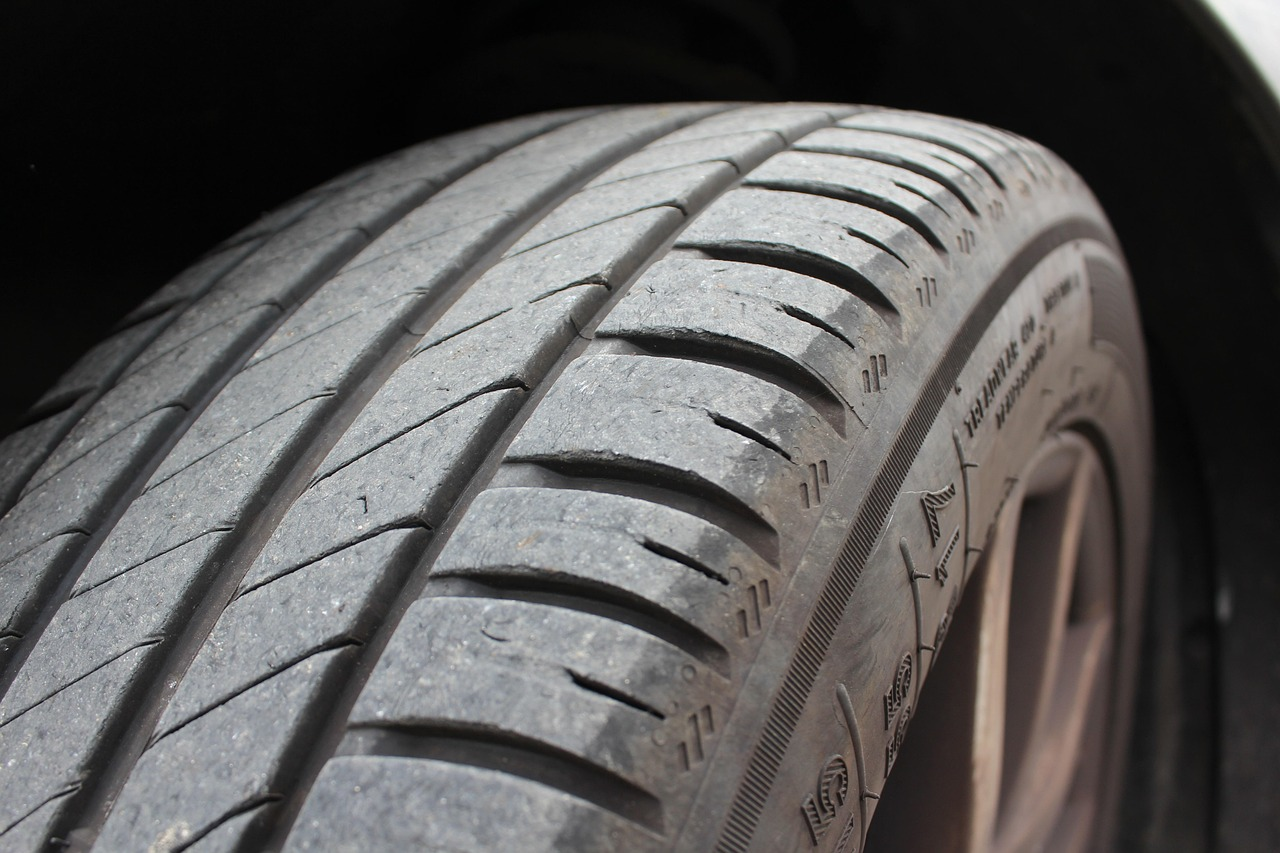
Tires are the foundation of your RV’s safety and performance. They support thousands of pounds, handle long highway miles, and face exposure to heat, cold, moisture, and UV rays. Yet, for many RVers, tire care is often overlooked—until a blowout occurs. By learning how to maintain, inspect, and store your RV tires, you can protect your investment, prevent dangerous situations, and enjoy peace of mind on every trip.
This guide walks you through RV tire care in every season, covering everything from closing your RV for winter to reopening it for spring, traveling year-round, and performing routine maintenance. We also cover special considerations, such as tire pressure monitoring systems, load ratings, and tire age, so you’re well-equipped with practical knowledge to keep rolling safely.
Why RV Tire Care Matters
Unlike passenger car tires, RV tires often bear higher weights and are left unused for weeks or months. This combination of heavy loads and extended periods of inactivity makes them susceptible to dry rot, flat spotting, and blowouts. Tire failure on an RV is not only inconvenient but can also cause expensive damage to sidewalls, plumbing, or electrical systems when a shredded tire tears into the coach.
Consistent RV tire care reduces risks, extends tire lifespan, and saves money in the long run. Think of it as protecting the foundation of your home on wheels.
RV Tire Care When Storing for the Winter
If you’re a seasonal camper, preparing your RV for winter storage is just as important for the tires as it is for the plumbing and batteries. Tires left unattended through cold weather can lose pressure, develop flat spots, or crack.
Steps for winter tire care:
- Inflate properly before storage. Tires naturally lose about 1–2 psi per month. Inflate them to the manufacturer’s recommended cold pressure before storing the RV.
- Avoid bare ground. Place tires on wood planks or plastic pads instead of directly on concrete or frozen ground to prevent moisture wicking and cold damage.
- Use tire covers. UV rays can still damage rubber in the winter months. Covers prevent sunlight, snow, and ice from speeding up dry rot.
- Move the RV periodically. If possible, roll the RV a few inches every 1–2 months to avoid flat spotting.
- Clean tires before covering. Wash with mild soap and water—avoid petroleum-based products, as they can degrade rubber.
Preparing Tires for Spring Travel
When the camping season begins again, your first task should be to inspect your RV’s tires. Even if they seemed fine last fall, months of sitting can cause issues.
Steps for spring tire care:
- Inspect for cracks and bulges. Sidewall cracks, blistering, or uneven wear are red flags.
- Check tire age. RV tires generally last 5–7 years. Look for the DOT date code stamped on the sidewall—the last four digits represent the week and year of manufacture (e.g., 2419 = week 24 of 2019).
- Re-inflate to spec. Cold temperatures lower air pressure. Use a reliable gauge and adjust to the recommended psi for your load.
- Tighten the lug nuts. Use a torque wrench to make sure the wheel nuts are tightened to the manufacturer’s recommended setting for your RV. This keeps the wheels safely in place after storage. Balance the tires if needed. If you notice vibration during your first drive, have the tires balanced.
Tire Care for Year-Round Campers
Not everyone stores their RV—many full-timers and snowbirds roll year-round. For you, tire care is about consistent checks and preventive practices.
Best practices for year-round tire care:
- Check pressure often. Before every trip, and ideally once per month while parked long-term.
- Rotate or move frequently. Tires that remain stationary are more prone to developing flat spots. Move at least monthly.
- Protect from UV and ozone. Even in warm climates, direct sunlight and salty air can cause rubber to age quickly. Use tire covers when parked.
- Weigh your rig. Overloading is one of the leading causes of tire blowouts. Get individual wheel weights (not just axle) at a CAT scale or RV rally to make sure you’re within limits.
General Maintenance for All RVers
Some tire care habits apply regardless of whether you camp in winter, spring, summer, or all year. Think of these as your universal tire care checklist.
- Maintain proper inflation. Underinflated tires build heat, while overinflated tires wear unevenly. Always check tire pressure when the tires are cold, not after driving.
- Use a tire pressure monitoring system (TPMS). A TPMS alerts you to sudden pressure loss or overheating while driving—critical for preventing blowouts.
- Rotate if needed. Some motorhome tires benefit from rotation to evenly distribute wear. Towable RVs may not need it as often, but it’s still a good idea to check your manual.
- Inspect tread depth. Replace tires when tread is below 4/32” for steering tires and 2/32” for others. Uneven tread may indicate alignment or suspension issues.
- Replace based on age, not just wear. Even tires with good tread can fail due to the aging of their rubber.
- Carry a spare and know how to use it. A spare tire (properly inflated) and the right tools save time in emergencies. Do you have a jack that will work with an RV?
Additional Considerations
- Driving habits do matter. Avoid sudden stops, excessive speeding, or curbing your tires, which all shorten the lifespan. Forest River recommends driving between 60-65 m.p.h in a class A or class C.
- Disperse weight. Balance weight evenly across axles and sides. Uneven loads stress tires unevenly.
- Seasonal temperature changes. Expect about 2% psi change for every 10°F temperature shift.
- Emergency kit. Always include a good jack, lug wrench, and reflective gear for roadside tire repairs.
Common Tire Mistakes that RVers Make
- Ignoring tire inspections and assuming tires are okay because they “look good” is dangerous. Hidden cracks and internal damage might not always be visible.
- Skipping using the tire cover. UV rays are a significant contributor to premature tire failure.
- Relying on old tires. A 10-year-old spare is just as unsafe as a 10-year-old tire on the road.
- Ignoring tire ratings can be dangerous. Using a tire with a lower rating than your vehicle needs can cause serious problems.
Final Thoughts
RV tire care isn’t just about extending the life of rubber—it’s about protecting your family, your RV, and your travel plans. Whether you’re closing for winter, reopening in spring, traveling year-round, or simply keeping up with general maintenance, your tires deserve regular attention. Think of it as building confidence for the road ahead—because nothing ruins a camping trip faster than sitting on the shoulder with a blown tire.
When you make RV tire care part of your seasonal and trip-prep routine, you’ll roll smoothly and safely to every destination.