
A good shower can make or break a camping trip. When your RV water heater is working right, it’s easy to forget how much comfort hot water adds to your day. But when it stops heating, it quickly becomes one of those things you wish you had learned more about sooner.
If you’re new to RV life or want a clearer understanding of your system, this guide explains how an RV water heater works, the differences between propane, electric, and tankless models, and the care they each need. It’s not a deep dive into every mechanical part—just enough to help you feel confident maintaining your own system and spotting problems before they grow.
How an RV Water Heater Works
An RV water heater has one simple job: heat the water you use for showers, dishes, and handwashing. It’s smaller than a household water heater, usually holding 6 to 10 gallons of water, though some newer models heat on demand. Most RV water heaters use propane, electricity, or both. The type you have depends on your rig and the way you camp.
If your RV has an exterior access door with a vent, that’s usually where your water heater lives. When it’s working correctly, you’ll hear a soft click or ignition sound when it starts up, and a steady burner or hum as it heats the water. Once you understand the basics, it’s easier to notice when something sounds or smells off.
Propane RV Water Heaters
Propane RV water heaters are common in older RVs and smaller travel trailers. They heat water by burning propane gas inside a metal tank. When turned on, the system ignites automatically or with a small switch, and within twenty to thirty minutes, the water reaches bathing temperature.
The biggest advantage of a propane RV water heater is that it works anywhere, even when you’re camping without hookups. It doesn’t rely on electricity, which makes it perfect for off-grid or boondocking trips. Propane also heats water quickly, and the design is simple enough that most owners can handle basic maintenance themselves.
The downside is that propane tanks empty faster than you expect if you rely on them for both heating and cooking. These heaters also need proper ventilation to keep exhaust gases from building up, and their smaller tank size means hot water can run out mid-shower if several people use it in a row.
Keeping a propane unit healthy is easy once you know the routine. Draining and flushing the tank every few months removes mineral buildup that can cause noise or corrosion. It’s smart to check the burner and exhaust vent for rust, spider webs, or nests since insects are drawn to the smell of propane. The flame should burn blue, not yellow, which signals complete combustion. And if your model uses an anode rod, replace it once it’s mostly worn down to prevent rust inside the tank.
Electric RV Water Heaters
Electric RV water heaters work much like those found in homes, but smaller. Inside the tank is a heating element powered by your shore power connection or generator. When the water reaches a set temperature, the element shuts off until more hot water is needed.
These heaters are great for full-hookup sites because they don’t use up propane and run quietly. There’s no burner noise, and you can usually heat enough water for a couple of showers without noticing any pressure difference. They’re also convenient if you like to keep your system running while camping for long periods.
On the other hand, electric RV water heaters depend entirely on power. If you’re boondocking without solar or generator support, they won’t heat water. They also take a bit longer to reach full temperature—sometimes 30 to 45 minutes, depending on tank size. And one common mistake owners make is turning on the heater before it’s filled with water, which burns out the element almost instantly.
Maintenance is straightforward. Always unplug or switch off the power before working on it. Draining and flushing the tank once or twice a season keeps sediment from settling around the element. Once a year, it’s wise to test the heating element with a simple meter to make sure it’s still working properly. If the heater suddenly stops working, check the small reset button on the exterior access panel—sometimes it trips and needs a quick press.
Tankless RV Water Heaters
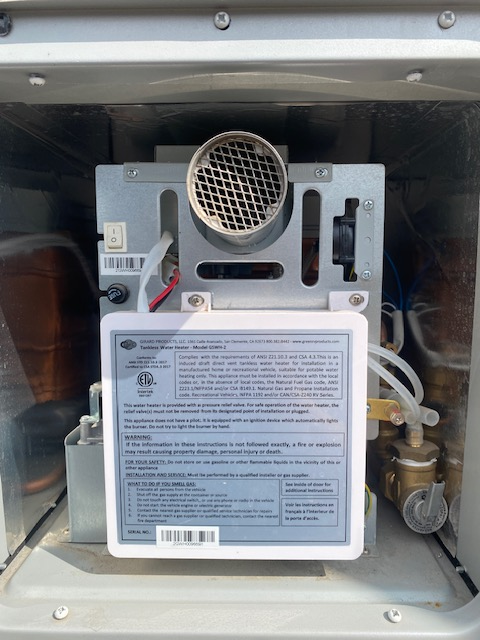
Tankless RV water heaters, sometimes called on-demand systems, have become popular in newer rigs. Instead of storing a tank full of water, they heat water only when you open a faucet. Sensors detect the water flow, start the burner, and heat the water instantly as it passes through the system.
The appeal is obvious: endless hot water and less waiting between showers. They’re energy-efficient because they only run when water is flowing, and they free up storage space since there’s no tank. They also weigh less, which matters to anyone mindful of the RV’s total weight.
The trade-off is that tankless models are more sensitive to water pressure and temperature changes. If the pressure drops too low, the heater might not ignite at all. They’re also more expensive up front, and since they rely on precise sensors and electronics, repairs often require a professional.
Caring for a tankless RV water heater mostly means keeping it clean. Every few months, it should be flushed with a vinegar solution to remove mineral scale that builds up from hard water. The air intake and exhaust vents should remain free of dust and debris, and the temperature setting should stay between 115 and 120 degrees for safe, steady performance. Even when the RV is in storage, running the heater briefly once a month helps prevent internal parts from sticking or corroding.
Maintenance That Prevents Trouble
Regular care is the best way to extend the life of your RV water heater. Once or twice a year, drain and flush the system to clear mineral buildup. Open the pressure-relief valve briefly to make sure it isn’t stuck. Look for water stains or corrosion around fittings that could signal a slow leak. And never store your RV for long periods with water still in the heater—it can lead to odor, rust, or freezing damage.
Small steps make a big difference. A few minutes with a wrench and a hose can save hundreds of dollars in repairs later. Think of it like an oil change for your RV’s comfort system—it doesn’t take long, but it keeps everything running right.
Common Problems to Watch For
If your RV water heater stops working, don’t panic. Start by listening and looking. If the burner doesn’t click or ignite, the propane supply might be off, or the igniter could be dirty. Fluctuating water temperature often means mineral buildup or a thermostat starting to fail. A leak near the bottom of the tank is more serious—it usually means corrosion inside and often requires replacement.
Electrical models may trip a breaker or blow a fuse if the element shorts out. Always turn off the power before checking, and never try to run the heater dry. For tankless systems, uneven heating often points to low water pressure or a dirty sensor. In most cases, catching these early prevents major headaches.
Winterizing and De-Winterizing Your RV Water Heater
Cold weather can ruin an RV water heater faster than almost anything else. Freezing water can expand and crack the tank or lines, so winterizing is needed if your RV sits unused in cold weather.
For propane and electric heaters, start by turning off both the power and propane. Drain the tank completely by removing the drain plug or anode rod, then open all faucets to relieve pressure. Switch the water heater bypass valve so antifreeze won’t enter the tank, and pump RV antifreeze through your plumbing until it runs pink from each faucet. Finally, close the exterior vent with a breathable cover to keep insects out while allowing air circulation.
Tankless models are a little different. They should be fully drained, and many owners use low-pressure air to blow out any remaining water. Most manufacturers don’t recommend filling the heater itself with antifreeze, so always check your manual first. When stored, keep vents lightly covered to reduce moisture, but never seal airtight.
When it’s time to de-winterize, the process is simple. Remove covers, reconnect the water lines, and flush clean water through the system until it runs clear. Reset the bypass valve so water can flow into the heater again, reinstall the drain plug or anode rod, and refill before turning on the heat or power. Taking these steps each season keeps your RV water heater from freezing, rusting, or leaking when you least expect it.
Final Thoughts
Your RV water heater doesn’t need constant attention, but it does appreciate a little care. Once you know which type you have and how it works, maintaining it becomes a quick, simple part of your camping routine. A few regular checks and seasonal steps will keep the water hot, the system safe, and your trips a lot more comfortable.
When you understand the basics, you’re not just reacting to problems—you’re preventing them. And that’s what makes the difference between a trip that starts with a cold shower and one that begins with confidence.