
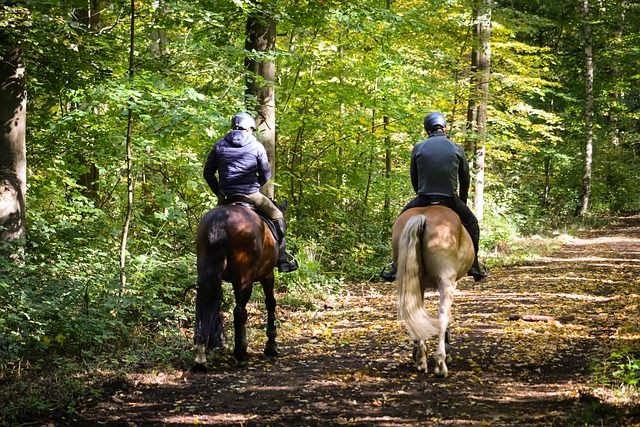
Nothing beats riding through a Texas state park on horseback. The quiet rhythm of hooves on dirt, wide-open skies, and landscapes you simply can’t experience from a car or hiking trail. This makes horseback riding one of the most rewarding ways to explore Texas. The challenge, though, is that not all Texas state parks allow horses—and even fewer are truly set up for campers traveling with horses, trailers, and motorhomes.
If you’re planning to camp with your horse, the details matter. You need designated equestrian trails, clear rules, space to safely secure horses, access to water, and a campground layout that works for large rigs and trailers. Below are some of the best Texas state parks for horseback riding, spread across the state, that offer a combination of rideable trails and camping options that actually make sense for equestrians.
What to Know Before Camping with Horses in Texas State Parks
Texas Parks & Wildlife does allow horseback riding in select state parks, but it is always limited to designated trails and areas. Most parks require proof of a negative Coggins test, typically dated within the last 12 months, and some parks also require additional documentation for horses coming from out of state. You should always carry current paperwork with you, as park staff may check upon arrival.
Horse camping areas vary widely. Some parks provide permanent pens or corrals, others only offer hitching posts or tie rails, and many expect riders to bring portable panels. Water access may be nearby, but you should always plan to bring buckets, hoses, and enough feed for your stay. Waste hay and manure must be managed properly, and tying horses directly to trees is not allowed in most parks.
Trail etiquette is another big consideration. Many Texas state park equestrian trails are multi-use, shared with hikers and mountain bikers. Understanding how parks manage these shared spaces—and choosing parks that match your comfort level—can make or break a trip.
Lake Mineral Wells State Park & Trailway
Lake Mineral Wells is one of the most approachable and beginner-friendly Texas state parks for horseback riding. Located in North Central Texas, this park offers approximately 12 miles of designated multi-use trails. In addition to access to the Lake Mineral Wells Trailway. The Trailway follows an old railroad bed, creating a wide, mostly level route that is ideal for relaxed rides, conditioning horses, or introducing a young or inexperienced horse to trail riding.
Equestrian camping is available, and the park is very clear about expectations. A current negative Coggins test is required, and horses must be secured using approved methods such as string lines or portable panels. Horses may not be tied directly to trees. Campers should be prepared to manage manure and waste hay properly, which is typical of Texas state park equestrian areas.
This park works well for RVers because it is relatively easy to navigate with trailers and larger rigs. The trail system allows riders to choose between short loops or longer, steady rides without extreme terrain.
Palo Duro Canyon State Park
Palo Duro Canyon offers one of the most dramatic horseback riding experiences in Texas. Known as the “Grand Canyon of Texas,” this Panhandle park provides a dedicated equestrian area covering roughly 1,500 acres. One of its biggest advantages for horse campers is that trails within the equestrian area are strictly for horses, which greatly reduces concerns about bikes or fast-moving foot traffic.
Equestrian camping is well established here. The park requires a negative Coggins test and provides water access in the equestrian camping area. Shared horse pens are available on a first-come basis, with each pen accommodating up to two horses. Riders are also allowed to bring their own portable panels if they prefer more control over their setup.
Trail riding here is best suited for horses and riders comfortable with elevation changes, rocky footing, and canyon terrain. The payoff is incredible scenery and a quieter riding experience thanks to the horse-only trail designation.
Hill Country State Natural Area
Hill Country State Natural Area is a favorite among experienced trail riders who want mileage, variety, and a backcountry feel. The park offers roughly 40 miles of designated multi-use trails open to horseback riding. These trails wind through classic Hill Country terrain, including rocky ridges, creek crossings, and expansive views.
This park stands out for its flexible camping options. Equestrian campers will find primitive sites with access to pens and water, a group equestrian camp with barn and stall facilities, and even nearby lodging options with access to corrals. This makes it an excellent choice for groups or families where not everyone wants to camp in the same way.
Because the trails are multiuse, riders should be comfortable sharing space with hikers and mountain bikers. Trails may close during wet conditions to protect the surface, so checking conditions before arrival is important.
Big Bend Ranch State Park
For riders looking for a true West Texas adventure, Big Bend Ranch State Park offers an unmatched sense of space and solitude. Horseback riding is permitted in most areas of the park, with access to hundreds of miles of rugged multi-use trails. This is not a casual riding destination—it is remote, demanding, and incredibly rewarding.
Equestrian use requires additional planning. Riders must obtain a backcountry use permit, bring weed-free feed, and carry proof of a current Coggins test. Water availability can be limited and seasonal, so riders should confirm sources before heading out. The terrain is tough on horses and equipment, making this park best suited for experienced riders with conditioned horses.
Camping here is primitive, and self-sufficiency is key. If you are prepared, Big Bend Ranch offers a rare opportunity to ride through untouched desert landscapes and expansive vistas.
Ray Roberts Lake State Park – Isle du Bois Unit
Ray Roberts Lake State Park provides a more relaxed and family-friendly option for horse camping in North Texas. The Isle du Bois Unit features a 12.5-mile multi-use trail that winds through oak woodlands and along the lake, offering scenic but manageable rides.
Equestrian camping is available in the Blue Stem Grove area, which includes sites equipped with hitching posts and nearby water access. Some sites also include pens, making it easier for campers who do not want to haul additional equipment. The campground layout works well for RVers and weekend trips, with relatively easy access to trails from camp.
This park is a solid choice for riders who want a comfortable camping experience paired with enjoyable trail riding, without committing to extreme terrain or remote conditions.
How Texas State Parks Protect Horses on Multiuse Trails
One common concern among horse campers is trail safety, especially when trails are shared with bikes. In Texas state parks, trail etiquette generally gives horses the right of way over both hikers and cyclists. That said, real-world encounters depend on visibility, timing, and communication.
Parks like Palo Duro Canyon minimize this concern by offering horse-only trails within equestrian areas. In multiuse parks, riders are encouraged to stay alert, ride during lower-traffic hours when possible, and communicate clearly with approaching cyclists. Asking a cyclist to stop, slow down, and speak calmly can make a significant difference in keeping horses settled.
Choosing the right park—and the right trail system—for your comfort level is the best way to ensure a safe and enjoyable ride.
What to Bring for a Successful Horse Camping Trip
Even in parks with established equestrian facilities, campers should plan to be largely self-contained. Portable panels, buckets, feed tubs, fly control, manure forks, and string lines are commonly needed. Always verify whether water is available at your campsite and be prepared to haul water if necessary.
Texas state parks are careful stewards of their land, and responsible horse camping helps keep these opportunities open. Cleaning up after horses and following park guidelines is not just required—it’s what allows equestrians to continue enjoying these parks.
More Texas State Parks That Allow Horseback Riding
In addition to the parks above, Texas Parks & Wildlife lists several others that allow horseback riding, including Caprock Canyons, Brazos Bend, Cooper Lake (South Sulphur Unit), Copper Breaks, Davis Mountains, Fort Richardson, and the Lost Creek Reservoir Trailway, Lake Arrowhead, Monahans Sandhills, San Angelo, and Pedernales Falls State Park. Each offers a different experience, and not all provide equestrian camping, so checking individual park details before booking is essential.
Camping with horses in Texas state parks takes a little extra planning, but the reward is worth it. Whether you’re riding canyon trails, Hill Country ridges, or wide-open desert, these parks offer some of the best horseback riding experiences in the state—right alongside campsites that welcome both you and your horse.
For Further Reading check out our “Best of Texas State Parks” page.