
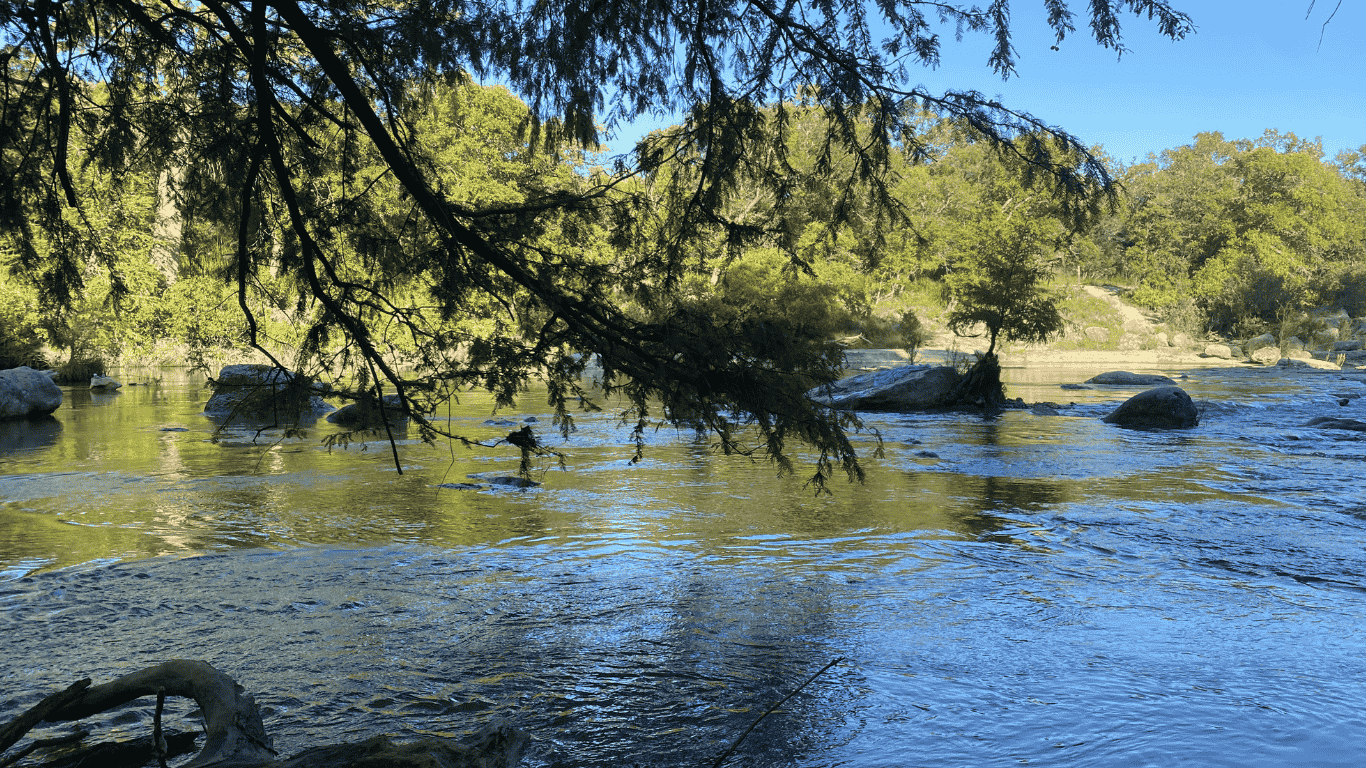
Do you love photography? What makes the experience great for you? For photographers — whether you shoot landscapes, wildlife, night skies, or macro details — Texas State Parks are full of visual inspiration. In this guide, I’ve picked the best parks across the state that are truly worth the traveling- with your camera in hand, of course. Each state park offers you something distinct: dramatic light, unusual geology, abundant wildlife, or iconic Texas scenery.
Ready to plan your next photographic vacay? Let’s look at the best Texas State Parks for photography.
Big Bend Ranch State Park — Wild West Wide Open
Big Bend Ranch State Park is the unsung gem of Texas. While its bigger neighbor, Big Bend National Park, gets more attention, the state park’s rugged solitude makes it heaven for photographers wanting dramatic light and untouched terrain. But be warned, the mid-day light here can be flat and unforgiving, which catches a lot of photographers off guard. This isn’t a park that rewards a casual noon stroll with a camera-the best shots usually require planning around light and lots of patience.
What draws photographers here: the sweeping desert views, red rock formations, and the Rio Grande winding below steep canyons. The light at sunrise and sunset here is nothing short of perfection.
Landscape Photography Tips:
- River Road and the Sauceda area offer rolling hills, layered ridges, and deep shadows at golden hour.
- Lajitas and Castolon viewpoints put the Rio Grande in dramatic juxtaposition with rugged cliffs.
- The sparse human footprint makes night sky photography spectacular — the Milky Way stands out clear and bright.
Best Time to Visit: Fall through spring for cooler temperatures and clear skies. Stormy summer, dramatic clouds but be mindful of heat and flash-flood risks.
Wildlife & Nature: Look for roadrunners, javelinas, coyotes, and raptors flying the ridges. Wildflower seasons (especially after wet winters) add bursts of color.
Photographer’s Must-Bring: Wide-angle lens, telephoto lens for wildlife, plenty of water, and sturdy hiking boots.
Enchanted Rock State Natural Area — Pink Granite and Infinite Skies
If unique geology is your thing, Enchanted Rock in Central Texas is like walking into a giant sculpture carved by time. This massive pink granite dome rises out of the Hill Country, and its smooth curves and contrasting textures make for striking abstract and landscape shots.
What draws photographers: Smooth rock surfaces glow in morning and evening light, and the panoramic summit views are perfect for sunrise shoots.
Photography Opportunities:
- Summit sunrise — the granite changes from warm pink to gold as the sun rises.
- Contrasting textures — shadows and highlights across the dome create dynamic compositions.
- Wildflowers in spring — Indian paintbrush and bluebonnets frame the rock in vibrant color (seasonal).
Best Time to Visit: Spring for wildflowers and cooler temps; fall for crisp skies and softer light.
Visitor Notes: The climb to the top is short but steep. Bring a tripod for sunrise/sunset and watch your step — the edges can be slippery.
Palo Duro Canyon State Park — The Grand Canyon of Texas
Palo Duro Canyon is Texas’s second-largest canyon and a mecca for dramatic landscape photographers. Bands of red, orange, and purple rock curve through the High Plains, creating endless layers of light and shadow. Some people love shooting at sunrise; others prefer the late afternoon.
What draws photographers: Towering rock formations, deep canyon walls, and sprawling vistas that change mood with the shifting light.
Photographic Highlights:
- Lighthouse Rock — this iconic pillar is one of the most photographed formations in Texas. This area will have crowds late morning and early afternoon.
- Cedar Sage and Caprock Overlooks — perfect for golden hour and sunset.
- Trails like the Paseo del Rio — offer canyon floor perspectives with closer rock detail.
Best Time to Visit: Fall through spring for cooler hiking; golden hours are long and rich with color.
Wildlife & Nature: Raptors circle on thermals, deer graze near water, and spring brings wildflowers to the canyon floor. Morning mist and low clouds add atmospheric shots after rain.
Pro Tip: This is one of those places where glare can be annoying, especially mid-day, so anything that helps manage reflections is worth packing; telephoto lenses help isolate formations and compress canyon layers.
Dinosaur Valley State Park — Fossils, Riverbeds & Sunset Magic
Dinosaur Valley near Glenrose is not just a kid-friendly park — it’s a paradise for photographers who love texture, history, and dreamy light. The real draw? Dinosaur footprints preserved in the riverbed of the Paluxy River. Our grandkids were able to put their feet in a track but unfortunately I did not have a camera/phone with me because we were hiking by the river.
This park pulls photographers in with its prehistoric tracks, shallow river reflections, and those twisting oak trees along the Paluxy.
Side note: We visited Dinosaur Valley in March a couple of years ago, and the clouds that rolled in were the strangest shade of dark gray and black I’ve ever seen. They were the kind of skies that would have made an incredible photo — even for someone who doesn’t think of themselves as a photographer. Of course, the rain started coming down hard before I could grab a camera. Not long after, a park ranger knocked on our RV door to let us know the area was under a tornado watch and explained exactly where we needed to go if the sirens sounded. It was one of those moments that reminds you how quickly conditions can change in Texas parks — and how sometimes the shot you remember most is the one you never took.
Photography Opportunities:
- Dinosaur tracks at low water — best early morning or late afternoon for long shadows revealing detailed prints.
- River reflections — when water is calm, rocks and trees mirror beautifully in the Paluxy.
- Sunset at the river bends — soft, warm light and silhouetted trees make for compelling compositions.
Best Time to Visit: Spring and fall; early mornings give softer light and fewer crowds. Whether you see tracks clearly depends entirely on water levels, which means some trips are magic and others are a little disappointing.
Visiting Notes: River levels fluctuate; check conditions before planning to shoot tracks. Waterproof shoes help if you’re wading to low vantage points.
Guadalupe River State Park — Water, Woodlands & Wildlife
For photographers who look for lush greens, flowing water, and intimate nature scenes, Guadalupe River State Park is a refreshing change from West Texas expanses. It’s especially lovely in spring and after rain. We love this park because the scenery changes with the seasons in a subtle way-some things are softened as the light shifts, while others feel surprisingly harsh, depending on the time of day. Shady river corridors, crisp flowing water, and a steady presence of birds and wildlife tucked into the river-bottom woods are what keep photographers coming back.
Photographic Highlights:
- River sections with gentle cascades — long exposures work great here with an ND filter.
- Rich wildflower patches in spring — black-eyed Susans and Indian blanket weave color in the grasses.
- Bird photography — look for warblers, woodpeckers, herons, and more.
The best time to visit is Spring through early fall; summer mornings are cool and quiet.
Trail Tips: The park’s interpretive trail loops offer shaded forest photography and close-ups of leaf patterns, moss, and river stones. Macro lenses shine here.
Brazos Bend State Park — Wetland Wonders & Night Skies
Just south of Houston, Brazos Bend is beloved by nature photographers for its wetlands, wildlife abundance, and remarkably dark night skies for astrophotography. What draws photographers: Gator-lined ponds (be aware and stay alert), herons and egrets, winding boardwalks, and a wide array of wildlife against watery backdrops.
Top Photography Spots:
- Elm Lake and Riddle Lake at dawn — glass-like surfaces and misty mornings make for ethereal shots.
- Boardwalk trails — great for leading lines and bird photography.
- Night sky fields — minimal light pollution makes for Milky Way captures not far from a major metro.
Best Time to Visit: Fall through spring for cooler temps and better sunrise colors; summer mornings are also great for fog over water.
Wildlife Focus: Alert! American alligators (stay safe and keep your distance), turtles soaking on logs, wading birds, and migratory songbirds in season. You will need patience and a telephoto lens.
Garner State Park — Hilly Backdrops and River Photos
Garner State Park is cheery, colorful, and packed with photographic possibilities. With its oak-covered hills and shallow sections of the Frio River, it’s a favorite for both landscape and lifestyle photography.
What draws photographers: Clear river reflections, limestone bluffs, and verdant foliage make for classic Hill Country scenes.
Photographing Here:
- Morning reflections on the Frio River — mirror-like surfaces with bridge and hill reflections.
- Oak canopies and trails — great for shaded forest shots.
- Sunset from the hillside overlooks — sky colors reflect beautifully in the bends of the river.
Best Time to Visit: Spring and early fall when the river is inviting, and foliage is lush.
Visitor Tips: Weekends get crowded, so shoot early to avoid crowds. A circular polarizer boosts greens and cuts glare off water.
Guadalupe Mountains State Park — Pure Backcountry Majesty
For photographers who love raw mountain landscapes, Guadalupe Mountains State Park offers some of the most striking alpine scenery in Texas. This park is home to Guadalupe Peak, the state’s highest point, and massive fossilized reef landscapes.
What draws photographers: Rugged ridgelines, high desert flora, sweeping views, and great elevation contrasts for dramatic lighting.
Photography Highlights:
- Sunrise from McKittrick Canyon — warm glow on distant peaks.
- Autumn colors along the trails — cottonwoods turn vivid yellow against rust desert grasses.
- Cloud shadows across ridges — dynamic light play over the desert.
Best Time to Visit: Fall through spring for hiking and clear conditions; summer monsoons can also create dramatic skies.
Lens Tips: Wide-angle for sweeping ridges, telephoto for distant peaks, and patience for shifting light.
Final Tips for Photographers Visiting Texas State Parks
Plan for light. Golden hour and blue hour matter everywhere in Texas — the wide, flat landscapes especially come alive at low sun angles.
Gear wisely. A wide-angle lens for landscapes, a telephoto for wildlife, and a sturdy tripod for low light and long exposures are essential. Filters (ND, polarizer) are huge helpers for water scenes and vivid skies.
Check the weather and water levels. Rivers and lakes change with the season, which can make or break reflections and access to certain features.
Leave no trace. Parks are natural wonders to protect. Stick to trails, respect wildlife, and carry out what you carry in.
Texas’s state parks are a photographer’s playground — each one with its own personality, palette, and story. Whether you’re chasing red rock canyons, dancing stars over oak canopies, or prehistoric footprints in riverbeds, there’s a frame waiting to be captured.
If there’s one thing Texas photography teaches you, it’s to keep your camera hand-and your plans flexible.
For Further Reading check out our “Best of Texas State Parks” page.