Tag: rv life

  • How to Avoid the Top 5 RV Rookie Mistakes

    How to Avoid the Top 5 RV Rookie Mistakes

    So You Don’t Become Campground Comedy

    If you’re new to RV life, welcome aboard! You’re about to start a lifestyle full of freedom, scenic views, and… learning curves. Let’s be honest—RVing has a way of humbling even the most enthusiastic road warriors. And while every seasoned RVer has at least one “oops” story (like driving off with the awning out or emptying the black tank the wrong way), we’re here to help you skip the embarrassment and get straight to the good stuff.

    Here are the top 5 RV rookie mistakes—plus how to avoid them so your camping trip doesn’t become the punchline at the next potluck.

    1. Not Knowing (or Ignoring) Your RV’s Weight Limits

    The RV Rookie Mistake:
    You’re excited. You want to bring all the comforts of home—six lawn chairs, a generator the size of a refrigerator, enough canned chili to survive a zombie apocalypse—and maybe your neighbor’s kayak. But here’s the truth: RVs have very real weight limits, and exceeding them is more than just bad math—it’s dangerous.

    Why It Matters:
    Overloading your RV can:

    • Blow out your tires (hello, roadside drama)
    • Stress your brakes (goodbye, downhill control)
    • Damage your axles and suspension
    • Void your warranty or insurance claim

    How to Avoid It:

    • Learn your GVWR (Gross Vehicle Weight Rating)—this is the maximum safe weight of your fully loaded RV.
    • Weigh your RV at a CAT scale (they’re typically located at most truck stops).
    • Spread your load evenly and store heavier items at the low and center positions.
    • Don’t forget to factor in freshwater weight—8.34 lbs per gallon adds up fast!

    Pro Tip: If you’ve packed for “just in case,” remove half of it. You won’t need five Dutch ovens.

    2. Skipping the Walk-Around

    The RV Rookie Mistake:
    You’re ready to roll. You turn the key, crank the tunes, and cruise out of the campground—only to hear a sickening clunk or see your electrical cord flapping like a victory streamer in the wind.

    Why It Matters:
    Not doing a walk-around can lead to:

    • Broken sewer connections (yikes)
    • Damaged stabilizer jacks
    • Forgotten steps and awnings
    • Open storage bay doors
    • Flying objects (from your roof and pride)

    How to Avoid It:
    Before driving off, walk completely around your RV and check:

    • Hoses and cables disconnected
    • Antennas and vents down
    • Tires are inflated and clear
    • Windows and doors are locked
    • Stairs up and secured
    • Awning brought in
    • All outside compartments are secure and locked
    • Towed vehicle (if applicable) correctly hitched

    3. Forgetting to Check the Campsite Before Parking

    The RV Rookie Mistake:
    You pull into a site, level the rig, unhook, and extend the slides… then realize you’re six inches from a tree, on a slope, and your sewer hose won’t reach the hookup—time to pack it all back up and try again, after several choice words.

    Why It Matters:
    Improper positioning causes:

    • Slide-outs to hit obstacles
    • Power cords are too short
    • Sewer hoses stretching (or tearing)
    • You will be the evening entertainment for fellow campers

    How to Avoid It:

    • Stop and assess before backing in. Get out of the RV and walk the site first.
    • Look for low-hanging branches, slopes, and hookup locations.
    • Confirm which side of your RV needs to face the utilities.
    • Use a spotter (someone who loves you and your paint job).
    • Don’t be afraid to ask for a different site if it’s not a good fit.

    4. Dumping Your Tanks Incorrectly

    The RV Rookie Mistake:
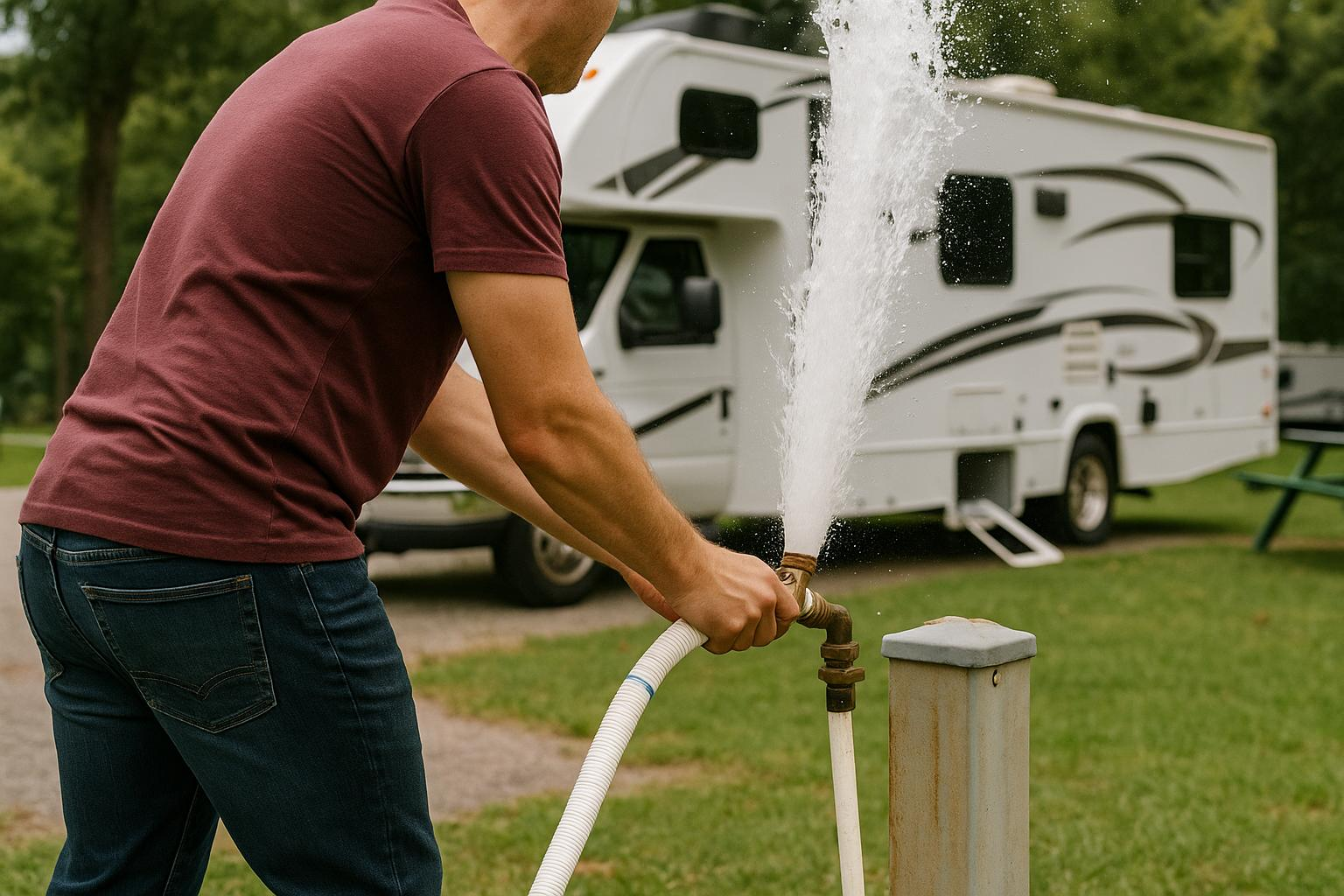
    You open the black tank first without gloves. Or worse—you leave the black valve open at a full-hookup site all weekend (which leads to what’s affectionately known as the “poo pyramid”). Refer to our Tales from the Black Tank guide for detailed instructions on dumping your black tank and cleaning it.

    Why It Matters:
    Dumping mistakes can:

    • Cause hazardous messes
    • Smell up your RV and your reputation
    • Damage valves and sensors
    • Make campground neighbors avoid eye contact

    How to Avoid It:

    • Always wear disposable gloves.
    • Dump the black tank first, then the gray to help rinse the hose.
    • Keep the black tank closed until it’s at least two-thirds full; this ensures proper flow.
    • Rinse the tank with a built-in sprayer or a flushing wand.
    • Use RV-safe toilet paper and black tank treatment to keep things flowing.

    Pro Tip: Don’t rely on your tank sensors—they lie like a toddler with chocolate on their face. Instead, learn to gauge by your usage habits.

    5. Underestimating the Importance of Power Management

    The RV Rookie Mistake:
    You plug into a questionable power pedestal without a surge protector. Or you turn on the microwave while running the A/C and coffee pot, only to plunge into darkness.

    Why It Matters:
    Bad electrical decisions can:

    • Fry your RV’s electrical system
    • Destroy appliances
    • Lead to costly repairs
    • Ruin your trip faster than burnt toast

    How to Avoid It:

    • Always use an RV surge protector or EMS (Electrical Management System). It’s a must-have, not a maybe. To answer why a surge protector is important, check out our RV Surge Protector blog about the importance of using one.
    • Know your RV’s rating (30 or 50) and understand what appliances you can run together.
    • If boondocking, monitor your battery usage—LED lights, low-power fans, and solar panels can make a huge difference.

    Pro Tip: Label your breakers and learn what each one is connected to. You’ll thank yourself later when troubleshooting.

    Final Thoughts

    The good news? Every RV Rookie mishap is a learning opportunity. The better news? You can avoid the worst of them by learning from those who’ve already made the mistakes. No one’s born knowing how to dump a tank or level an RV, but with a little prep and a good sense of humor, you’ll be a confident camper in no time.

    And when you see someone else at the campground struggling with a power cord wrapped around their picnic table or a sewer hose geyser… smile, lend a hand, and welcome them to the club.

    More from RV Noni:

    Stay cool with Ultimate Hacks to Conquer the Texas Sizzle

    Less is more with the Ultimate Time-Saving RV Setup Guide for Weekend Getaways
  • Unwritten RV Rules That  Make You a Campground Favorite

    Unwritten RV Rules That Make You a Campground Favorite

    Whether you’re a Texas local or just exploring the Lone Star State by RV, knowing good RV Campsite etiquette can make all the difference. These unspoken rules will help you avoid awkward situations, keep parks enjoyable for everyone, and maybe even make a few friends along the way.

    1. Know the Rules Before You Set Up

    Each campground has its own set of policies, including quiet hours, fire restrictions, pet guidelines, and generator rules. Always read the posted rules when you check in or look them up ahead of time. Following them helps everyone enjoy their stay (and keeps you from getting fined or asked to leave).

    2. Respect Quiet Hours

    Most parks enforce quiet hours between 10 p.m. and 6–8 a.m. During this time, keep noise to a minimum. That means no loud music, outdoor TVs, generators, or late-night conversations that carry. It’s about being respectful—many campers are early risers or there to relax.

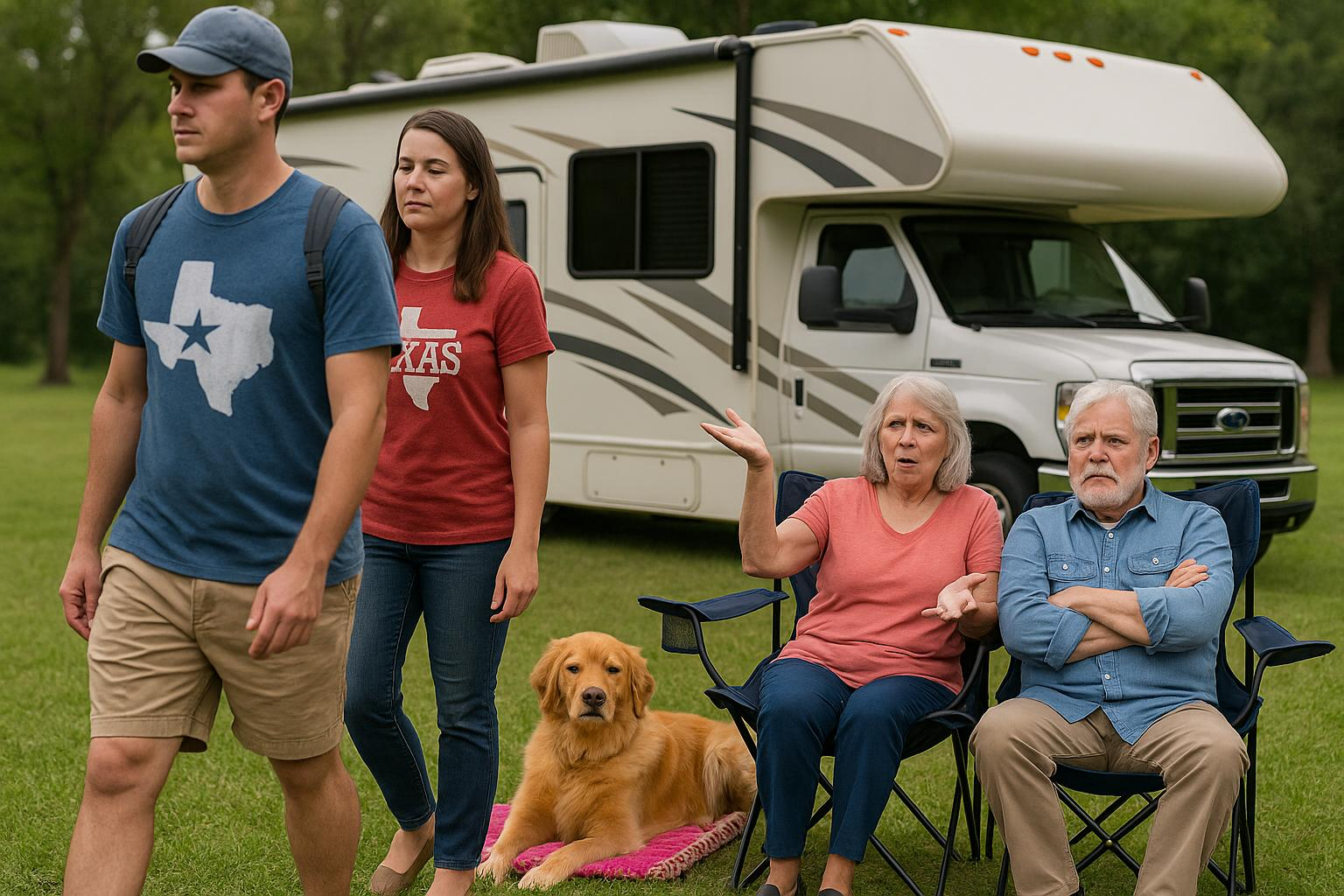
    3. Don’t Cut Through Other Campsites

    This is one of the most common etiquette mistakes. Even if it’s a shorter path to the bathhouse or the lake, cutting through someone else’s site is considered intrusive. Stick to roads and designated walkways. I see this complaint in so many RV Facebook groups; people post that it’s intrusive and rude. There will always be a few people who respond to the complaint that they are not bothered by people cutting through their campsite. But it seems that most people are bothered by others cutting through their site.

    4. Use Generators Sparingly

    In Texas, summer heat often means running your air conditioner, but if you’re in a campground without hookups and need to use a generator, be considerate of others. Only run it during approved hours (usually during the day), and make sure the exhaust isn’t blowing directly toward someone else’s campsite. A quiet inverter generator is a great investment.

    5. Keep Campfires Safe and Smokeless

    Follow the campground rules for RV campers and use only designated fire rings, check for local burn bans, and never leave a fire unattended. Also, be aware of the direction of the smoke. If it’s drifting straight into someone else’s site, it’s courteous to let it burn down or adjust your setup if possible. Sometimes an apology goes a long way in this situation.

    6. Park Your RV Properly

    Pull into your site without blocking roads or encroaching on your neighbor’s space. Level your RV, secure it, and avoid setting up slide-outs, awnings, or patio furniture too close to someone else’s area. A tidy, well-placed setup keeps the space functional and respectful for everyone. As we all know, some RV parks have sites set up so close that when we extend our slides, we are almost touching our neighbors. Be a good RV neighbor.

    7. Don’t Leave Trash Behind

    Always pack out what you pack in—or better yet, leave the site cleaner than you found it. Secure your trash at night to avoid attracting wildlife, and refrain from burning garbage in fire rings (it’s usually against the rules and leaves a mess behind). Please do not leave cigarette butts in the fire pit or anywhere on the site.

    8. Dump Tanks Responsibly

    Gray and black water must be dumped at the proper stations—not on the ground or near your campsite. Even if you think “it’s just a little rinse water,” improper dumping is unsanitary, against the rules, and can get you banned from campgrounds.

    9. Be Mindful of Outdoor Lighting

    Excessive outdoor lights at night can ruin the natural setting and interfere with others trying to stargaze or sleep. Turn off string lights, awning lights, and floodlights before bed unless safety is a concern. If you need lights on, opt for dim or motion-activated ones.

    10. Control and Clean Up After Pets

    Always keep pets on a leash and pick up after them immediately. Don’t leave them unattended outside, especially if they bark constantly. Not everyone loves dogs (or wants to hear them at 6 a.m.), and park rangers will take action if complaints accumulate.

    11. Secure Your Belongings

    Texas weather can change quickly. High winds, sudden storms, and even wildlife can scatter unsecured gear. Tie down awnings, put away chairs and tablecloths when not in use, and secure the lids on trash cans. A neat site is safer and prevents your stuff from becoming someone else’s problem. This does not mean that you must pack up each night, but you can stow away camping chairs and other large items under the RV.

    12. Be Courteous in Shared Spaces

    Whether it’s the laundry room, bathhouse, dump station, or picnic areas—clean up after yourself. Don’t leave soap spills, laundry behind, or take up shared space longer than necessary. Everyone is using the same facilities, so be considerate. Dump stations are often busy during checkout time. If a line forms, you might need to forgo the 10-minute tank rinse. Please rinse any spills that happen while you are at the dump station.

    13. Be Friendly, Not Overbearing

    A wave or quick “hello” goes a long way. If your neighbor seems open to chatting, great. If not, don’t push it. Respect their time and space, especially if they’re reading, eating, or resting. A little friendliness paired with boundaries keeps things neighborly.

    14. Handle Conflicts Calmly

    If something bothers you—like a barking dog or someone playing loud music- address it calmly and respectfully. Most people are open to adjusting their behavior if approached in a considerate manner. If that doesn’t work, involve the campground host or park ranger rather than escalating it yourself.

    15. Leave the Site Better Than You Found It

    Before you leave, double-check that you’ve cleaned the fire pit, taken down lights, picked up trash, and restored the area to its original state. Good campers leave no trace. It’s the best way to respect the land and the next person pulling into that site.

    A Few Texas-Specific Tips:

    • Watch the Weather: Summer heat, spring storms, and flash floods can pop up without warning. Check the forecast daily and monitor the conditions. Don’t leave awnings out or camp gear unattended when storms are predicted. It is good practice to pull the awning in when you leave the campsite.
    • Be Wildlife-Aware: From raccoons to deer and snakes, Texas is home to a diverse array of wildlife. Don’t leave food or trash outside, and avoid feeding any animals. It’s not good for them, and it could make your site a new neighborhood hotspot for pests.
    • Water Conservation Is a Must in drought-prone areas. Be mindful of your water usage. Follow the park’s rules and policies on water usage. Short showers, limited hose use, and turning off the tap while brushing teeth are small actions that make a big difference.

    Final Thoughts

    RV campsite etiquette is essentially about being mindful of your surroundings and considering how your actions impact others. Whether you’re staying for one night or an extended weekend, following these guidelines will help you enjoy your trip—and make you the kind of camper everyone hopes to have as a neighbor.