
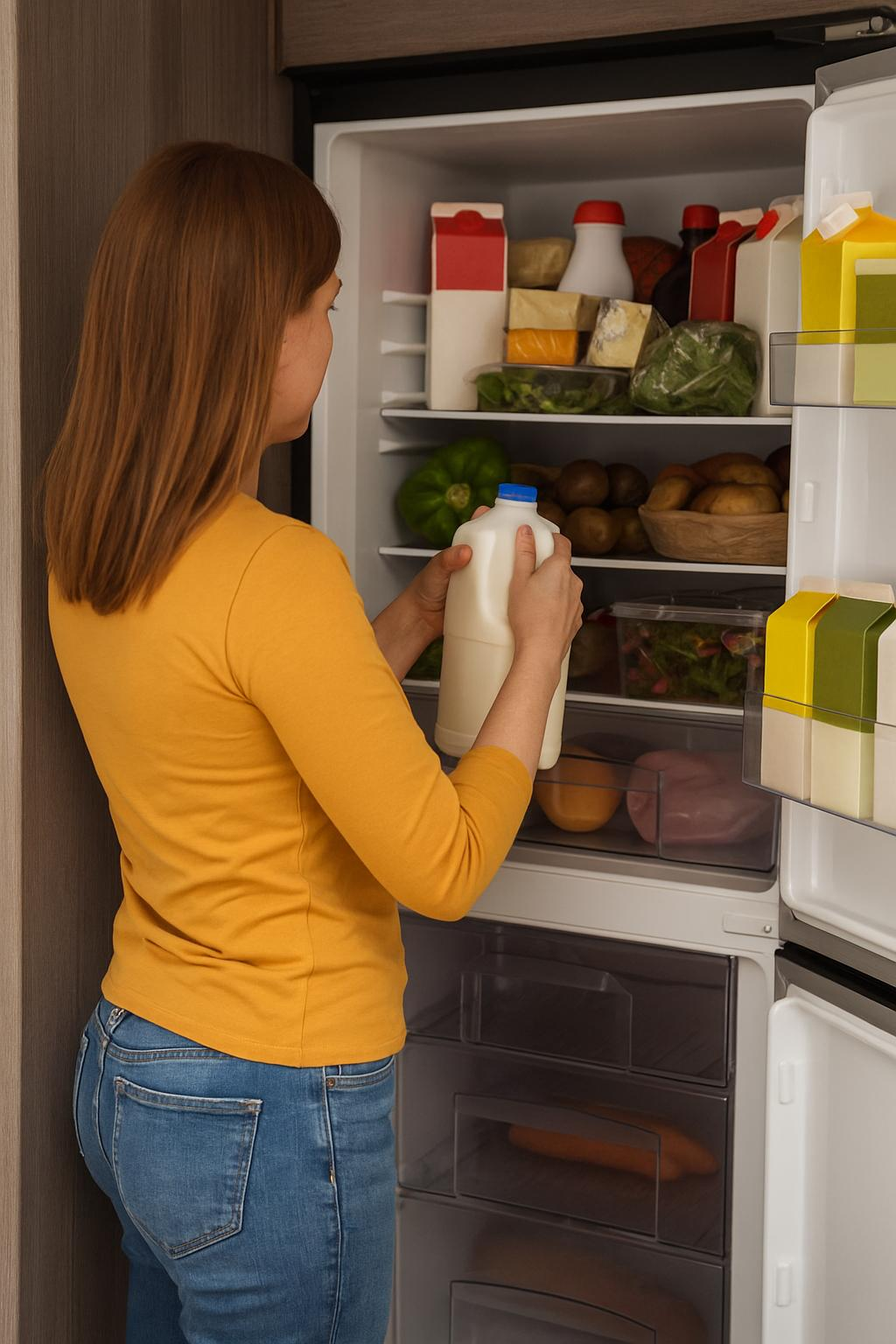
If you’ve ever opened your RV fridge after a drive only to find broken jars, spilled milk, or something falling at your feet, then you know it’s no joke. Packing your RV fridge isn’t just about keeping food cold—it’s about making your trip smoother, safer, and way less messy.
These RV packing tips will help you protect your food, maximize space, and avoid chaos on your travel day.
What Kind of RV Fridge Do You Have?
Before we delve into packing strategies, it’s important to understand the type of RV refrigerator you’re working with. RV fridges fall into two main categories:
🔥 Absorption Fridge (Propane/Electric)
These are common in older or mid-range RVs and cool using heat instead of a compressor.
- Pre-cool for 12–24 hours before loading food
- Cool unevenly without added airflow
- Do not overpack—air circulation is key
⚡ Compressor Fridge (12V or Residential Style)
These newer fridges are found in luxury RVs or as upgrades.
- Cools quickly and evenly
- Better for temperature swings and bumpy roads
👉 Regardless of the type you have, safe RV food storage ultimately comes down to smart packing, good airflow, and effective temperature control.
How to Pack An RV Fridge for Travel
1. Start Cold and Clean
Get a fresh start before any RV trip:
- Wipe down fridge surfaces with mild soap and water
- Turn on the fridge 12–24 hours in advance
- Use shore power, a generator, or propane to cool it down
- Target temps: Below 40°F for the fridge, 0°F for the freezer
2. Use a Fridge Thermometer
Don’t trust the built-in dial—especially with absorption fridges. A $10 RV fridge thermometer accurately displays the actual temperature inside.
- Ideal temps:
- Fridge: 35–38°F
- Freezer: 0°F or lower
3. Organizing An RV Fridge
Storing milk jugs, jars, or raw meat on the bottom shelf helps prevent:
- Spills from crushed items
- Cross-contamination from leaks
- Use the adjustable rods to hold larger items in place. These work well in our fridge.
👉 Pro Tip: Store raw meat in sealed containers or zipper bags for leak protection.
4. Allow for Air Circulation
Absorption-style fridges rely on passive airflow. Overpacking blocks cold air, leading to uneven cooling.
- Leave space between food items
- Avoid pushing items directly against the back wall.
5.Organizing An RV Fridge
Plastic bins and clear containers make fridge organization easier:
- Group similar items together
- Prevent sliding during travel
- Pull out what you need quickly
- Label bins: “Breakfast,” “Snacks,” “Dinner Ingredients,” etc.
👉 Bonus: Use vented, fridge-specific bins to prevent cracking in cold temps.
6. Pre-Chill Your Groceries
Adding warm food to a cold RV fridge is a rookie mistake. It forces the refrigerator to work harder and raises the internal temperature.
- Chill groceries at home before loading
- Use a cooler and ice packs while prepping
Especially crucial on hot days or when using an absorption fridge!
7. Best Containers for RV Fridge
Glass and bumpy roads don’t always mix well.
If glass containers are necessary:
- Wrap in a towel or bubble wrap
- Nestle between soft items
- Or transfer contents to reusable plastic containers
- Using Mason jar-type containers is a good option since they are made of thicker glass and can withstand some bouncing. I prefer using a plastic bin with a shelf liner at the bottom, placing the jars snugly inside or using towels between them for added security.
- Zip-top bags or plastic containers are your friend
8. Keeping Your RV Fridge Cold On Travel Days
Always double-check those door latches before hitting the road. A single pothole can cause a serious food disaster.
Options that work:
- Spring rods to keep items in place
- Built-in latches—push firmly to confirm both fridge and freezer are locked
9. Best RV Fridge Tip: Use Spill Mats
Silicone fridge liners help catch drips and spills. They:
- Keep your fridge cleaner
- Prevent shifting
- They are easy to wipe down after a trip
10. Key To Packing RV Fridge and Freezer
Balance matters for more than just towing—unevenly packed fridges can cool inefficiently.
- Don’t overload the freezer while leaving the fridge empty
- Keep both sections evenly stocked
👉 Freezer Tip: A full freezer retains cold better—fill empty spaces with ice packs or frozen water bottles.
11. Plan Meals Before You Pack
Meal planning isn’t just a time-saver—it’s a packing strategy.
- Group full meals in labeled bins
- Freeze proteins not needed in the first 48 hours
- Flatten freezer bags for easier stacking
Need help with meal ideas? Check out 10 Easy RV Camping Meal Hacks That Save Time & Sanity.
12. Know Your Power Setup
Understanding how your RV fridge is powered is essential:
- Absorption fridges: Run on propane while driving, or 120V when plugged in
- Compressor fridges: Require 12V battery power or an inverter
Dry camping? Monitor your battery bank. And if you lose power mid-trip, keep the fridge doors closed to preserve the temperature.
Want to explore RV power options? Unlock Quiet Freedom: Add Solar Power to Your RV
Common RV Fridge Mistakes to Avoid
❌ Overstuffing and blocking airflow
❌ Putting warm food inside
❌ Forgetting to switch power sources
❌ Leaving glass jars unsecured
❌ Skipping the door latch
❌ Letting items slide around freely
Final Thoughts
Packing your RV fridge the right way isn’t just about food—it’s about peace of mind.
With a bit of prep and the right tools, you can prevent spills, preserve your food, and enjoy travel day without fridge-related chaos. These RV fridge organization hacks work for every kind of camper—whether you’re heading out for the weekend or boondocking for a week.