Tag: RV travel hacks

  • Beat High Gas Prices: Camp Local and Love It

    Beat High Gas Prices: Camp Local and Love It

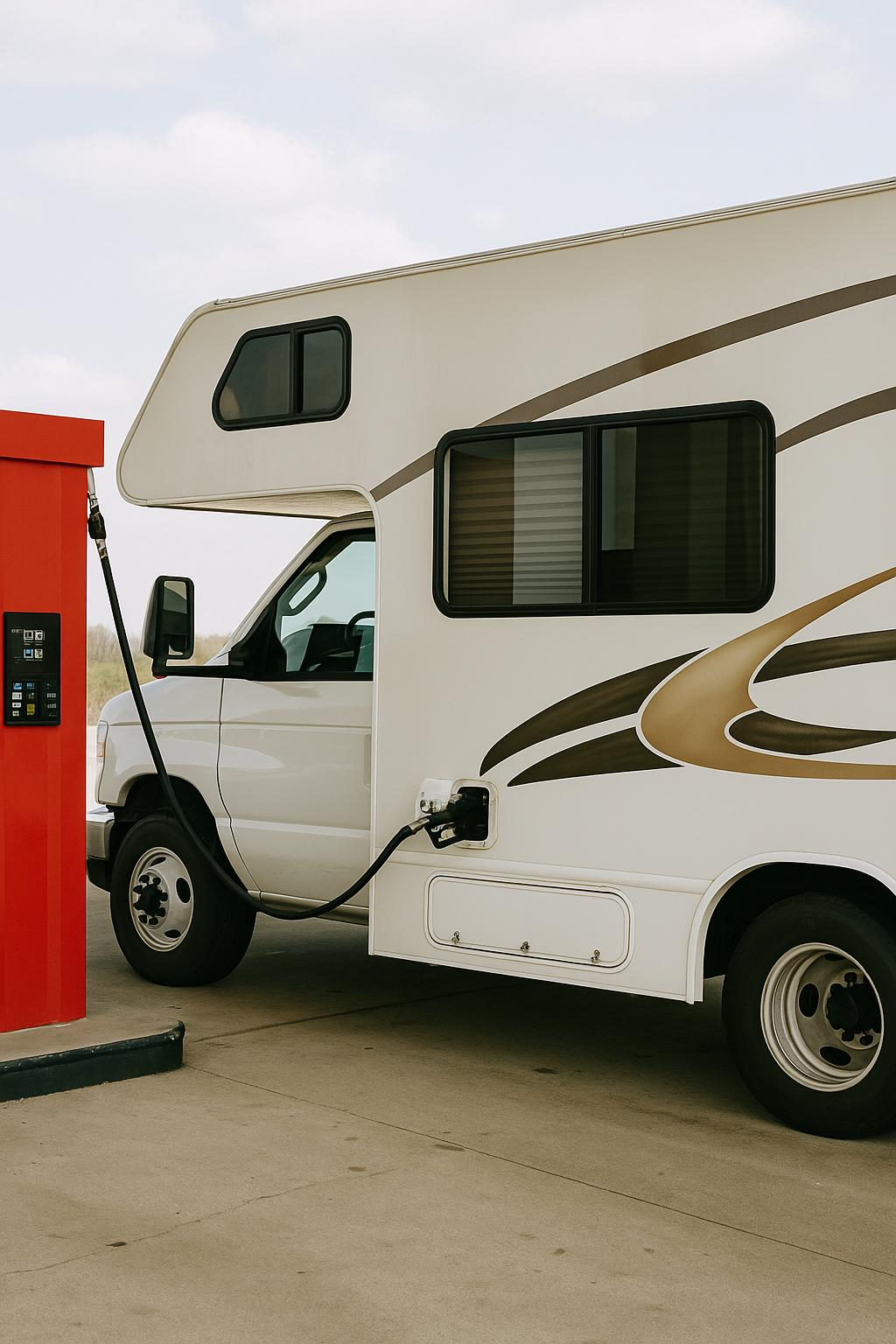
    If you’ve ever looked at gas prices and felt personally attacked, you’re not alone. As RVers, we love the open road—but not when it guzzles up our vacation budget faster than we can say “full hookup.” Fortunately, there’s a clever (and surprisingly fun) solution: camp closer to home.

    In this post, we’ll explore how rising gas prices can derail your RV travel plans—and how camping closer to home can help you save money, travel more often, and still enjoy all the adventure that RV life has to offer.

    The Cost of Going the Distance: How Fuel Prices Impact RV Budgets

    Let’s talk about real numbers. Most RVs average between 6 and 12 miles per gallon, depending on the model, size, and towing weight. If gas is averaging $3.65 per gallon and your trip is a 300-mile round trip, you’re looking at:

    – 300 miles ÷ 9 mpg = ~33.3 gallons
    – 33.3 gallons × $3.65 = $121.64 in gas

    That’s just to get there and back—before generator fuel, day trips, or exploring nearby areas. For longer trips or diesel rigs, the number can easily hit $250 to $300 per weekend.

    These rising fuel costs impact more than just the pump. They can also squeeze your entire camping budget.

    The Ripple Effect: Why High Gas Prices Hurt the Whole Trip

    Higher gas prices mean you may have to cut back on:

    – Campsite choices (no more lakefront views)
    – Groceries and snacks (goodbye, smoked brisket)
    – Local excursions (farewell, kayak rental)
    – Trip frequency (one big trip instead of several small ones)

    RVing should be about freedom—not fretting over fuel receipts. That’s where camping closer to home comes in.

    The Smart Fix: RV Camping Close to Home

    When you choose to camp within 30 to 90 minutes of home, you get more than just fuel savings:

    Lower travel costs
    More time at the campsite
    Less road fatigue
    More spontaneous weekends away

    In fact, a 2024 KOA report found that over 70% of RVers plan trips within 100 miles of home to help offset rising fuel prices. It’s a growing trend that saves time, money, and stress—without sacrificing fun.

    Find the Hidden Gems in Your Backyard

    There’s a myth that local means boring—but nothing could be further from the truth. There are countless places to camp nearby that offer just as much excitement as far-off destinations.

    Try using these tools to find nearby campsites:
    – Campendium
    – The Dyrt
    – Recreation.gov
    – State park websites
    – AllTrails for nearby hikes and outdoor features

    Think Outside the (Campground) Box: Unique Local Camping Ideas in Texas

    Camping closer to home doesn’t mean settling for the ordinary. Texas is full of unexpected RV-friendly destinations that make for memorable—and budget-friendly—weekends.

     Explore the Underground: RV Camping with Cave Tours

    Want something unique? Pair your weekend trip with a cave tour. A couple of hidden gems in Texas offer both cave tours and RV camping.

    One of our favorite unique getaways was to Cave Without a Name in Boerne, Texas. We took our grandkids for a cave tour and camped right on-site. The RV park was simple—no fancy amenities—but there were peaceful walking trails, plenty of open space, and, of course, the magical cave experience itself. The kids were fascinated, and we all came home with stories to tell.

    Another option is Cascade Caverns, also in Boerne, Texas. It offers guided tours and an adjacent campground, so you can explore the underground world by day and relax under the stars at night. Search the internet for other caves to explore and other unique adventures.

    cascade caverns cave tour and camping trip

     More Unique Texas Camping Ideas

    Texas State Parks – Parks like Lockhart, Palmetto, and Buescher offer beautiful views, wildlife, and quiet settings within a couple of hours from most cities.
    Corps of Engineers (COE) Parks – These federally managed lakeside parks are often overlooked but have clean facilities and low-cost electric sites.
    County Parks – Smaller, locally run parks often offer less crowded camping and natural beauty at a lower price.
    Private RV Parks – Look for quirky extras like fossil digs, petting zoos, or wine tastings.

    Staying local doesn’t mean missing out—it just means discovering new favorites closer to home.

    Benefits of Staying Local

    Camping nearby offers some perks beyond gas savings:

    1. You can leave after work – Avoid taking time off and still enjoy a full weekend.
    2. Packing is easier – Forgot the ketchup? Run home or to the store in 10 minutes.
    3. It’s kid- and pet-friendly – Shorter drives mean less stress for everyone.
    4. It’s great for beginners – Stay close while you get the hang of your setup.

    Real-World Budget Comparison

    Let’s break down two weekend trips:

    Campground 60 miles away
    – Fuel (120 miles @ 9 mpg): ~$48
    – Site fees: $80
    – Food: $60
    Total: $188

    Campground 300 miles away
    – Fuel (600 miles @ 9 mpg): ~$243
    – Site fees: $80
    – Food/road meals: $100
    Total: $423

    Your family’s travel style or food budget might look a little different—but you get the idea. That’s a $235 difference in just one weekend. Stretch that over a few months, and you’re looking at some serious savings.

    Make It a Local Camping Challenge

    Keep things exciting by setting personal goals:
    – Visit five new campgrounds under 2 hours from home
    – Try different park types: state, COE, county, and private
    – Plan themed weekends—hiking, unplugged, foodie, or wildlife spotting
    – Rate and review each campground with your family

    Final Notes

    Gas prices might go up and down, but local adventures are always a sure thing. With the right mindset, camping closer to home can be just as exciting—and way more affordable—than a cross-country haul.

    The next time the pump makes you wince, remember some of the best RV trips are waiting right in your own backyard.
  • How to Book a Texas RV Campsite Without Losing Your Mind

    How to Book a Texas RV Campsite Without Losing Your Mind

    The Struggle Is Real—and You’re Not Alone

    If you’ve recently tried to reserve a campsite and felt like screaming at your screen—you’re in good company. State parks, Corps of Engineers (COE) sites, county-run campgrounds, and even private RV parks are all filling up faster than ever. What used to be a peaceful hobby has turned into a digital scramble. Whether you’re a seasoned weekend warrior or a first-time RVer, the frustration is real. We’ve felt it too. We’ve hit refresh dozens of times, logged in early, planned months ahead, and still missed out.

    But you’re not powerless. While the demand has exploded, there are still ways to plan smarter and increase your chances of landing that perfect campsite.

    Why Is It So Hard to Book a Site Now?

    A few years ago, you might have been able to book a site a few weeks—or even days—in advance. Now, sites are getting scooped up as soon as booking opens. Several things are contributing to this:

    – The post-pandemic surge in RV ownership
    – Limited availability of electric and full-hookup sites
    – Increased popularity of state and federal parks
    – New remote workers traveling full-time in RVs

    More campers + limited sites = frustration. But understanding the system can give you a major edge.

    What You Need to Know Before You Book

    Preparation is everything when it comes to booking campgrounds. Before you click “Reserve,” make sure you know:

    – The length of your RV and whether you need a back-in or pull-through site
    – Whether you need a 30 or 50 amp hookup
    – If you require full hookups, water/electric only, or can manage with dry camping
    – Your desired location: shaded, near water, near a bathhouse, etc.
    – Your exact travel dates and how flexible you can be
    – Your camping crew: pets, kids, accessibility needs

    Having these details ready helps you search faster and avoid filtering through sites that won’t work.

    Planning Ahead Is Key

    Set yourself up for success by planning ahead—sometimes well in advance. Many Texas State Parks allow booking 5–6 months in advance. Some private parks open reservations up to a year out. If you know you want to camp over a holiday or during peak season, it’s essential to plan and begin making reservations as soon as possible.

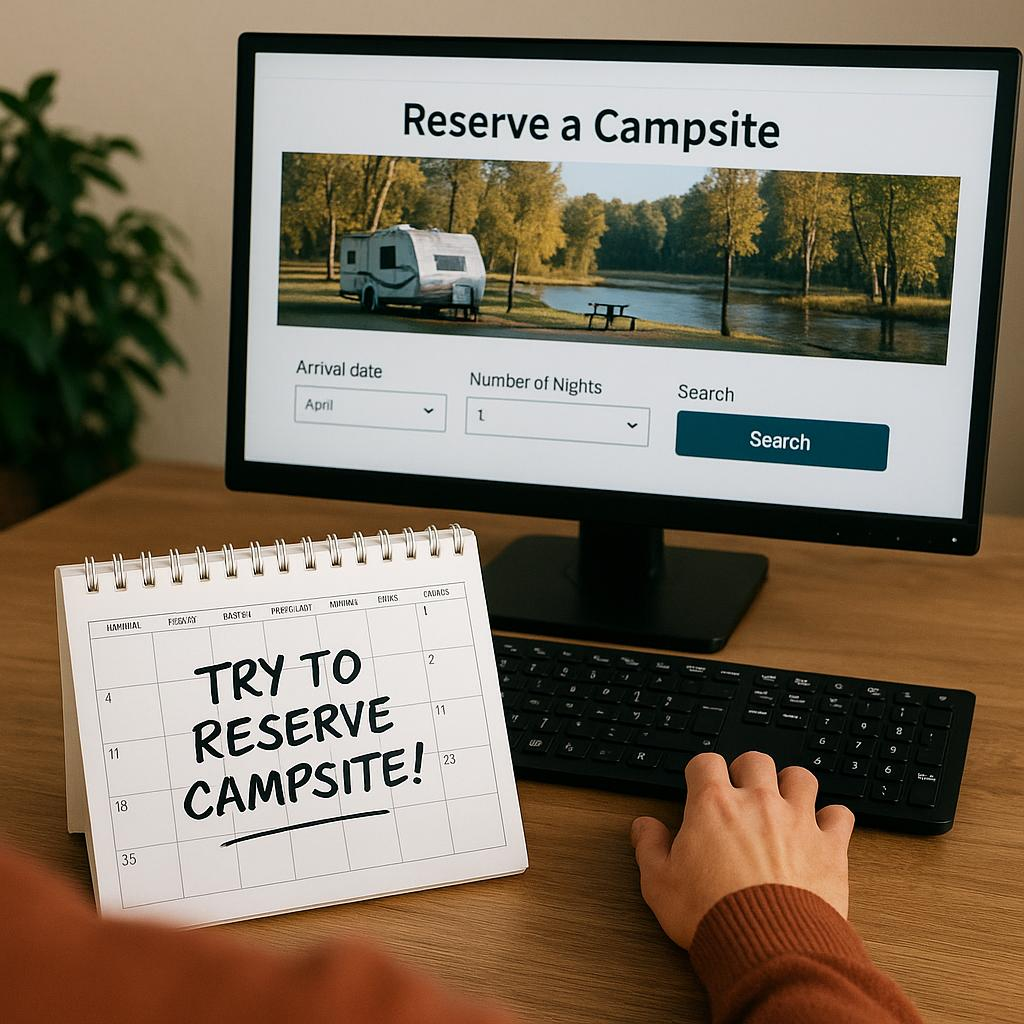
    We recommend maintaining a camping calendar—either digital or physical. Mark down important reservation windows. Use reminders or alarms a few days before and the morning of booking windows. Sounds excessive, but sometimes it’s the excessive effort that gets you the site you want.

    Apps like Campendium, RV Life, The Dyrt, and CampNab are also great tools to help you scout sites, find cancellations, and read reviews in advance.

    Tips on How to Book Texas State Parks

    Texas State Park systems operate on a rolling reservation window—usually 5 or 6 months in advance. Reservations open at 8 a.m. local time, and popular parks can fill in minutes.

    * Create your account in advance and log in early.

    -Use the email option to receive an email notification when a cancellation occurs. However, those who requested an email when a cancellation occurs are also rushing to secure the booking.
    – Set multiple reminders in your phone or calendar
    – Know your exact dates and have backups ready
    – Use the ‘sliding window’ trick: book a longer stay that starts earlier than your target date, then cancel extra days later
    – Be flexible with weekdays instead of weekends

    Tools that help: CampNab, state park email alerts, and setting “favorites” on booking platforms to move fast

    Hacks for Booking Corps of Engineers (COE) Parks

    COE campgrounds are known for scenic sites and great prices—but they also book quickly. Reservations open 6 months in advance via Recreation.gov.

    – Have your Recreation.gov account ready and be logged in early
    – Use the flexible date search feature to see what’s open nearby
    – Target mid-week stays or off-season trips for more availability
    – Consider checking parks that are a little farther from metro areas

    Tools that help: Recreation.gov mobile app, browser autofill for faster checkout, and the Campflare alert system for cancellations

    How to Book at a Private Park

    Private parks often offer more amenities and allow for longer stays, but they don’t all have modern booking systems—and they fill up during peak seasons too.

    – Don’t rely solely on online booking—call the park directly
    – Ask if they have a waiting list or last-minute cancellations
    – Join loyalty or membership programs for early access
    – Be polite but persistent—cancellations happen all the time
    – Avoid holidays and school breaks when families book early

    Tools that help: The Dyrt PRO, RV Parky, and joining Facebook groups for campground swap alerts

    Hacks to Book a Site at a County & City Parks

    Often overlooked, county and city-run parks can be just as easy to book and just as beautiful. These vary widely by region but can be real hidden gems.

    – Research lesser-known parks through local tourism websites
    – Call or email the parks department—some require manual reservations
    – Use Google Maps to spot campgrounds not listed on major apps
    – Ask locals or other RVers for recommendations

    Tools that help: Local county websites, Google Reviews, Campendium, and RV Life Trip Wizard

    Final Thoughts: You’re Not Alone

    It’s easy to feel defeated when you’ve planned a trip and can’t find an open site—but don’t give up. The system may feel stacked against you, but with the right strategy, a bit of patience, and some backup plans, you’ll find your way.

    We’ve all been there. We’ve stayed up late refreshing pages, only to watch our dream site disappear. But we’ve also scored last-minute sites, found new favorite parks off the beaten path, and learned to make the most of weekday trips and shoulder seasons.

    Keep planning, stay flexible, and remember—the goal isn’t just to reserve a spot, it’s to enjoy the journey.

    Here are the key websites and resources mentioned—perfect for bookmarking or adding to your planning toolkit:

    Reservation Platforms

    Texas State Park booking (ReserveAmerica):
    https://texasstateparks.reserveamerica.com

    Corps of Engineers & federal campgrounds (Recreation.gov):
    https://www.recreation.gov


    Cancellation Alert & Planning Apps

    CampNab – Paid cancellation-alert service:
    https://campnab.com/ (Hipcamp Help, campnab.com)

    Campflare – Free campsite alert service:
    https://campflare.com/ (Campflare)

    Hipcamp Alerts – Uses Campflare backend for alerts via Hipcamp:
    https://www.hipcamp.com/alerts (hereandthere.club)

    RV Travel & Campground Discovery Tools

    Campendium – Reviews, maps & cell service info:
    https://www.campendium.com

    RV Life – Trip planning, campground database:
    https://www.rvlife.com

    The Dyrt – Public & private campground listings, PRO memberships:
    https://www.thedyrt.com

    RV Parky – Private park directory & reviews:
    https://www.rvparky.com