Tag: texas state parks

  • Best Texas State Parks for Fishing

    Best Texas State Parks for Fishing

    Fishing is one of the most relaxing ways to enjoy the outdoors, and Texas has some incredible lakes and rivers that make it easy to cast a line. This post is the 4th article in the RV Noni “Best Texas State Parks” series, and today, we’re highlighting the best Texas state parks for fishing—places where the scenery, water access, and fish populations come together for a perfect trip.

    In true Texas Parks & Wildlife fashion, no fishing license is required when fishing from the shore inside Texas state parks. You can fish from a kayak or boat on park waters, but a fishing license is required when you are not fishing from the bank. This is one of the biggest reasons many RV campers choose these parks for easy, stress-free fishing. Another perk is that the state parks will loan you fishing tackle if you decide to fish.

    Whether you’re after bass, catfish, crappie, or seasonal bites, these five parks offer outstanding year-round fishing, RV-friendly campsites, and peaceful settings perfect for unwinding in nature.

    Why These Are the Best Texas State Parks for Fishing

    Texas has more than 80 state parks, but only a few offer strong year-round fishing conditions, good water access, healthy fish populations, and RV-friendly camping. Each pick below includes:

    • Why the park is great for fishing
    • Seasonal highlights (which fish bite best in which season)
    • The closest town and nearest large city
    • Best water access areas in the park
    • Tips for shore vs. kayaking/boat fishing policies

    These are the true standouts when you’re searching for the best Texas state parks for fishing.

    1. Lake Livingston State Park

    Livingston, TX – One of the Best Texas State Parks for Fishing

    Nearest town: Livingston, TX (9 miles)
    Nearest large city: Houston, TX (80 miles)

    Lake Livingston is one of the largest lakes in Texas at more than 90,000 acres, giving anglers tons of space to spread out. It’s especially good for RV travelers because most campsites are close to the water, making it easy to get lines out early in the morning.

    Why It’s Great for Fishing

    • Massive lake with deep and shallow zones
    • Famous for white bass and catfish
    • Plenty of shoreline access for bank fishing
    • Multiple boat ramps and easy kayak launches

    Best Seasonal Fishing

    • Spring: White bass runs peak near feeder creeks
    • Summer: Blue catfish and channel catfish dominate
    • Fall: Largemouth bass move shallow and get active
    • Winter: Striped bass and white bass school in deeper water

    Top 3 Places to Fish in the Park

    1. Fishing Pier – Great for bass and catfish, especially at sunrise
    2. Piney Shores Cove – Calm water perfect for kayak fishing
    3. Boat Ramp Area – Active zone with baitfish schools attracting predators

    Bank vs. Boat Policy

    Fishing from the shore requires no license, but kayaking and boat anglers will need a standard Texas fishing license.

    2. Inks Lake State Park

    Burnet, TX – Hill Country Favorite in the Best Texas State Parks for Fishing

    Nearest town: Burnet, TX (10 miles)
    Nearest large city: Austin, TX (67 miles)

    Inks Lake is a constant-level lake, meaning water levels don’t fluctuate heavily like other Central Texas lakes. This creates very stable fishing conditions year-round.

    Why It’s Great for Fishing

    • Constant water level = predictable fishing
    • Rocky shoreline creates excellent bass habitat
    • Several quiet coves perfect for kayak fishing

    Best Seasonal Fishing

    • Spring: Largemouth bass and sunfish spawn in shallow rocky pockets
    • Summer: Catfish are active near deeper ledges
    • Fall: Bass feed heavily near rocky points
    • Winter: Crappie gather around submerged structure

    Top 3 Places to Fish

    1. Devil’s Waterhole Outflow – Ideal for bass
    2. Stumpy Hollow Cove – Quiet spot for kayak fishing
    3. Fishing Pier – Family-friendly and well-stocked

    Bank vs. Boat Policy

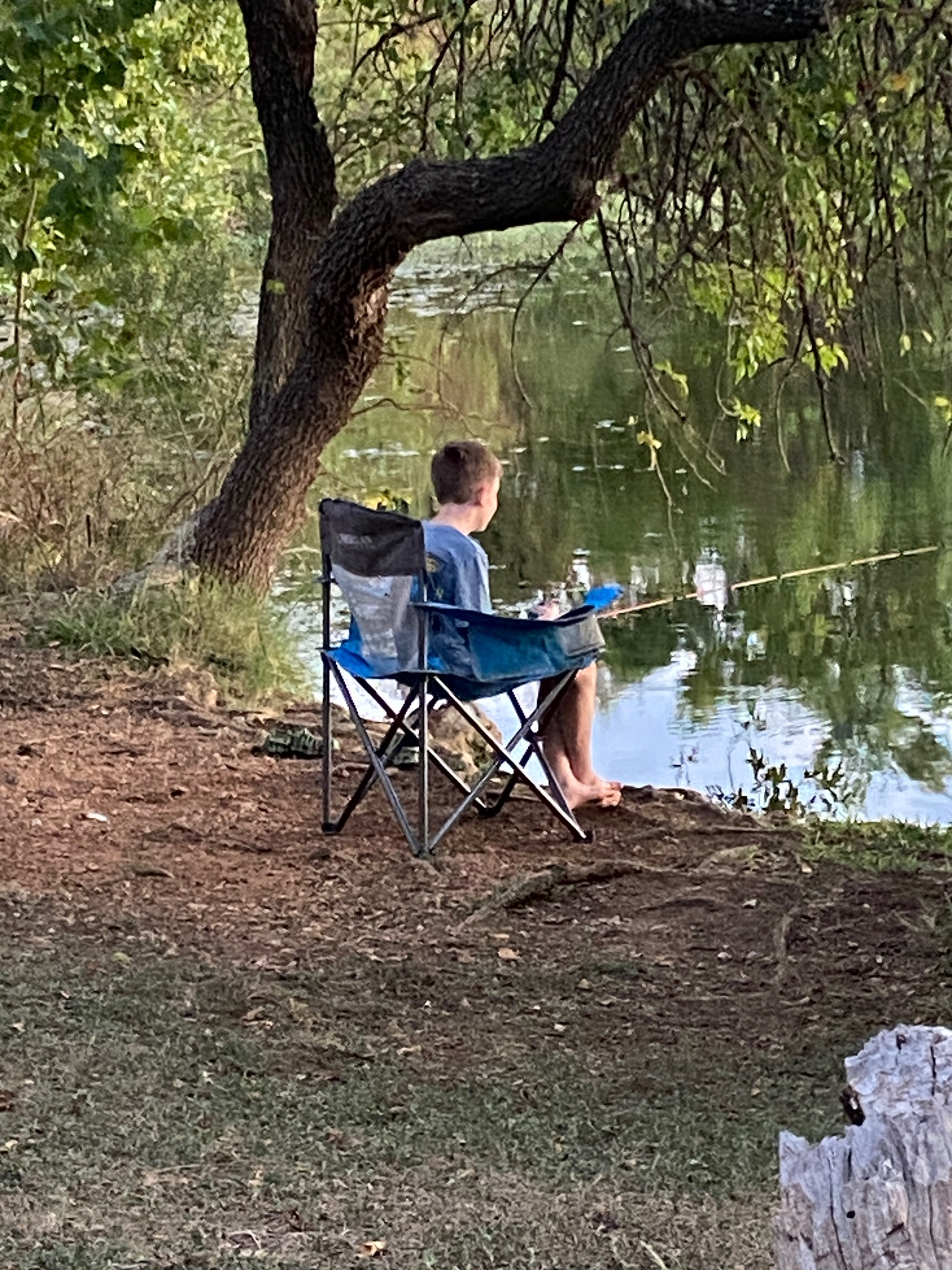
    Bank fishing is license-free, but kayaks and boats require a fishing license unless you remain on shore. I must include that this is the lake that our grandson loves to fish from the bank.

    Inks Lake consistently appears on lists of the best Texas state parks for fishing thanks to its reliable water levels and excellent bass population.

    3. Ray Roberts Lake State Park – Isle du Bois Unit

    Pilot Point, TX – North Texas Gem for Bass & Crappie

    Nearest town: Pilot Point, TX (5 miles)
    Nearest large city: Dallas, TX (55 miles)

    Ray Roberts Lake is known for its clear water, healthy habitat, and incredible bass fisheries. It’s a North Texas hotspot for anglers looking for both quantity and quality.

    Why It’s Great for Fishing

    • Deep, clear water supports big bass
    • Strong crappie population
    • Excellent catfish opportunities near creek channels

    Best Seasonal Fishing

    • Spring: Crappie and bass spawn in shallow coves
    • Summer: Catfish move near the marina and creek channels
    • Fall: Bass school near the surface chasing shad
    • Winter: Crappie stack up around brush piles

    Top 3 Places to Fish

    1. Isle du Bois Fishing Pier – Great action year-round
    2. Johnson Branch Shoreline – Productive for bass
    3. Buck Creek Area – Best for winter crappie

    Bank vs. Boat Policy

    Shoreline fishing remains license-free, but all fishing from a kayak or boat requires a Texas fishing license.

    Ray Roberts continues to rank among the best Texas state parks for fishing thanks to its variety of species and clean, clear water.

    4. Caddo Lake State Park

    Karnack, TX – East Texas’ Mysterious Cypress Lake

    Nearest town: Karnack, TX (3 miles)
    Nearest large city: Shreveport, LA (40 miles)

    Caddo Lake looks like something out of a movie—towering bald cypress trees draped in Spanish moss, calm bayous, and quiet backwaters. It’s one of the most unique freshwater habitats in the United States.

    Why It’s Great for Fishing

    • Has more than 70 species of fish
    • Ideal habitat for largemouth bass
    • Quiet backwaters perfect for kayaking anglers

    Best Seasonal Fishing

    • Spring: Bass spawn in shallow mossy pockets
    • Summer: Catfish and bowfin stay active
    • Fall: Crappie concentrate near submerged timber
    • Winter: Bass move to deeper sloughs but remain catchable

    Top 3 Places to Fish

    1. Saw Mill Pond – Calm, protected waters
    2. Tucker’s Slough – Excellent for bass
    3. Mill Pond Fishing Pier – Easy access and steady bites

    Bank vs. Boat Policy

    Fishing from the shore is license-free. Kayak and boat anglers must carry a Texas fishing license. Caddo Lake’s maze of channels makes it a favorite for quiet paddling and fishing.

    This park earns a top spot among the best Texas state parks for fishing because of its incredible biodiversity and peaceful wilderness feel.

    5. Lake Corpus Christi State Park

    Mathis, TX – South Texas Hotspot for Catfish & Bass

    Nearest town: Mathis, TX (4 miles)
    Nearest large city: Corpus Christi, TX (35 miles)

    Lake Corpus Christi is a heavily stocked, angler-friendly lake with wide stretches of shoreline and beautiful views. It’s perfect for RV campers looking for warm weather, big catches, and great space to spread out.

    Why It’s Great for Fishing

    • Healthy catfish and bass populations
    • Wide open water for kayak anglers
    • Multiple piers and easy shoreline access

    Best Seasonal Fishing

    • Spring: Largemouth bass spawn along shoreline reeds
    • Summer: Catfish remain active day and night
    • Fall: Crappie school around brush piles
    • Winter: White bass stage near deeper areas

    Top 3 Places to Fish

    1. Fish Cleaning Pier Area – Great for catfish
    2. Mesquite Flats – Popular kayak spot
    3. Shoreline near the Day-Use Area – Easy RV access

    Bank vs. Boat Policy

    Shoreline fishing is license-free, while boat and kayak fishing require a Texas license.

    Lake Corpus Christi is consistently ranked among the best Texas state parks for fishing, thanks to its mild South Texas winters and strong fish populations.

    Texas State Park Fishing Policy (Quick Reminder)

    To make this as easy as possible for RV campers:

    • Fishing from the bank inside a Texas State Park is license-free.
    • Fishing from a boat or kayak requires a valid Texas fishing license.
    • All standard fishing regulations (length limits, bag limits, etc.) still apply.
    • Most parks offer fish-cleaning stations and loaner gear.

    This simple rule is one of the biggest reasons people love choosing Texas state parks for fishing—the convenience can’t be beat.

    Why RV Campers Love These Parks

    At all five parks, RV campers enjoy:

    • Spacious campsites
    • Easy water access
    • Quiet mornings on the lake
    • Stunning nature and wildlife
    • Clean facilities and peaceful overnight stays

    Camping at Texas state parks means you get full days on the water, shady afternoons back at your campsite, and starry nights with the sound of crickets and gentle waves nearby.

    These five parks represent the best Texas state parks for fishing because they combine scenic beauty with reliable fishing conditions and RV-friendly layouts.

    For Further Reading check out our “Best of Texas State Parks” page.

  • Best Texas State Parks for Stargazing

    Best Texas State Parks for Stargazing

    Texas is one of the best states in the country for night sky viewing. With wide-open landscapes, dry air in many regions, and large stretches far from city lights, the Lone Star State offers incredible opportunities to see the stars in all their brilliance. If you enjoy camping and quiet nights under the sky, Texas state parks are some of the best places to experience true darkness.

    This guide highlights the best Texas state parks for stargazing, focusing on parks that consistently offer dark skies, open viewing areas, and camping opportunities that let visitors stay overnight and enjoy the sky long after sunset. These parks are well-suited for RV campers of all experience levels and are ideal for both casual stargazers and serious night-sky enthusiasts.

    Why Texas State Parks Are Ideal for Stargazing

    Texas Parks & Wildlife has made a strong effort to protect dark skies across the state. Several parks limit artificial lighting, host astronomy programs, and preserve large natural landscapes that block light pollution.

    The best Texas state parks for stargazing share a few important traits: distance from major cities, wide horizons, and land features that reduce glare from nearby towns. Many also sit at higher elevations or in dry regions where clouds and humidity are less of an issue.

    Camping inside the park is a major advantage. Staying overnight allows your eyes to fully adjust to darkness and gives you access to the sky during the quietest hours of the night.

    Davis Mountains State Park

    Davis Mountains State Park is widely considered one of the top locations for night sky viewing in Texas. Located in far West Texas, the park sits at a higher elevation and benefits from dry desert air, which significantly improves visibility after dark.

    This region is known for exceptionally low light pollution, making it one of the best Texas state parks for stargazing year-round. We visited the park in March of 2025 and attended a brief stargazing event hosted by one of the Park Hosts. A good set of binoculars is really all you need for a fun experience.

    Why it’s excellent for stargazing
    The surrounding mountains block distant light sources, and the park’s remote location keeps skies dark. On clear nights, the Milky Way is easily visible with the naked eye.

    Nearest town: Fort Davis – approximately 4 miles
    Nearest large city: El Paso – approximately 165 miles

    Top nighttime activities
    • Stargazing from Skyline Drive overlooks
    • Attending seasonal ranger-led astronomy programs
    • Nighttime wildlife observation under natural moonlight

    Camping here offers quiet evenings, cool temperatures, and some of the clearest skies in Texas.

    Big Bend Ranch State Park

    Big Bend Ranch State Park is Texas’s largest state park and one of its darkest. Located next to Big Bend National Park, this giant stretch of desert terrain provides truly remote sky viewing.

    It is often included on lists of the best Texas state parks for stargazing due to its isolation and protected night environment.

    Why it’s excellent for stargazing
    The park’s vast size and lack of nearby development mean almost no artificial light. The sky feels wide and uninterrupted, ideal for long viewing sessions.

    Nearest town: Presidio – approximately 6 miles
    Nearest large city: El Paso – approximately 250 miles

    Top nighttime activities
    • Wide-open stargazing from desert plateaus
    • Night sky photography and star trails
    • Educational star programs when available

    RV campers should plan ahead due to the park’s remote nature, but the reward is one of the darkest skies in the state.

    Copper Breaks State Park

    Copper Breaks State Park stands out in North Texas as an official International Dark Sky Park. Its quiet location and intentional lighting policies make it one of the most reliable stargazing parks outside West Texas.

    For many travelers, it’s one of the best Texas state parks for stargazing without needing to drive across the state.

    Why it’s excellent for stargazing
    The park features open fields and a designated astronomy viewing area designed specifically for night sky observation.

    Nearest town: Quanah – approximately 9 miles
    Nearest large city: Wichita Falls – approximately 85 miles

    Top nighttime activities
    • Public star parties hosted by astronomy groups
    • Telescope viewing at the astronomy pad
    • Long-exposure star photography

    This park is especially welcoming for beginners who want structured opportunities to learn about the night sky.

    Enchanted Rock State Natural Area

    Enchanted Rock is well known for its massive granite dome, but it also earns its reputation as one of the best Texas state parks for stargazing in Central Texas.

    Once the crowds thin out after sunset, the area becomes surprisingly quiet and dark.

    Why it’s excellent for stargazing
    The granite dome and surrounding open land provide broad sky views, and the park’s dark-sky designation limits light interference.

    Nearest town: Fredericksburg – approximately 18 miles
    Nearest large city: San Antonio – approximately 95 miles

    Top nighttime activities
    • Ranger-led night sky programs
    • Stargazing from the base of the dome
    • Evening photography of constellations

    Camping reservations are competitive, but overnight stays allow visitors to experience the park’s sky at its best.

    South Llano River State Park

    South Llano River State Park may surprise first-time visitors with how dark the skies become after sunset. Located in the Hill Country, this park has earned International Dark Sky status and provides peaceful viewing conditions.

    It’s often overlooked, which makes it one of the quieter choices among the best Texas state parks for stargazing. We went to a “star party” in January 2025 hosted by local astronomy clubs. Club members set up their telescopes for the public.

    Why it’s excellent for stargazing
    Large open fields and minimal nearby development help preserve darkness, especially later in the evening.

    Nearest town: Junction – approximately 5 miles
    Nearest large city: San Antonio – approximately 115 miles

    Top nighttime activities
    • Milky Way viewing from open grasslands
    • Moonlit walks along river trails
    • Quiet, uninterrupted sky observation

    This park is ideal for campers who want dark skies without traveling to extremely remote areas.

    Helpful Stargazing Tips for Texas State Parks

    Even the best Texas state parks for stargazing offer better experiences with a little preparation.

    Choose dates close to the new moon for darker skies. Allow at least 20 minutes for your eyes to adjust and avoid bright lights once darkness falls. Red-light flashlights help preserve night vision, and setting up away from campground lights can make a big difference.

    Layered clothing is also important. Texas days can be warm, but nights—especially in desert or elevated areas—cool down quickly.

    Final Thoughts

    Texas offers some of the most impressive night skies in the country, and these parks represent the best Texas state parks for stargazing for campers who want both comfort and darkness. From remote desert landscapes to peaceful Hill Country rivers, each park provides a unique way to experience the stars.

    Camping overnight gives you time, quiet, and space to truly enjoy the sky—and once you see the Milky Way stretched overhead, it’s easy to understand why stargazing has become such a popular reason to camp in Texas state parks.

    For Further Reading check out our “Best of Texas State Parks” page.
  • Best Texas State Parks for Wildflowers

    Best Texas State Parks for Wildflowers

    Spring in the Texas Hill Country has a way of sneaking up on you. One week, the grass still looks winter-tired, and the next week, the hills are alive with color. Bluebonnets roll across fields, Indian paintbrush pops along roadways, and suddenly every drive feels scenic.

    If you’ve been hoping to time an RV trip around wildflower season, the Hill Country is one of the best places in Texas to do it. The key is choosing parks that not only deliver on blooms but also work for your RV — especially when it comes to electrical hookups.

    Not all Texas state parks support RV camping, and even among those that do, amp availability varies by park and by campsite. Below are Hill Country parks, known for spring wildflowers, with clear notes on whether RV camping is available and what you should know before booking.

    Lyndon B. Johnson State Park & Historic Site

    Wildflowers: Yes | RV Camping: No (Day-Use Only)

    Lyndon B. Johnson State Park is one of the most reliable wildflower stops in the Hill Country, but it’s important to know upfront that this park does not offer RV camping.

    Why it’s still worth including

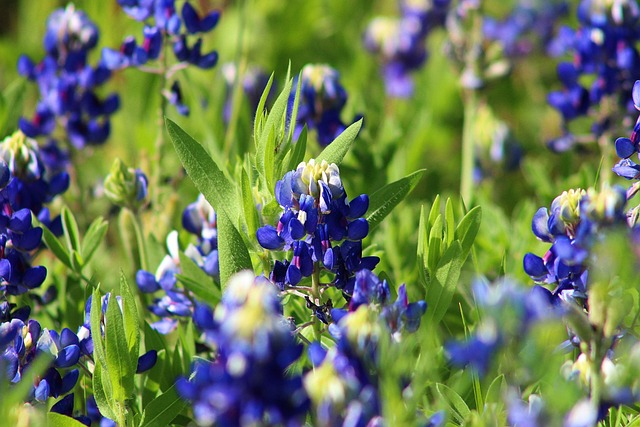
    This park regularly delivers classic Hill Country Spring color. Wide meadows fill with bluebonnets, followed by Indian paintbrush, winecups, and evening primrose. Because it’s primarily a historic and day-use park, it’s easy to enjoy the blooms without crowds spilling into sensitive areas.

    It’s also one of those places where the flowers are visible without hiking long distances, making it ideal for a relaxed visit.

    RV planning note

    You’ll need to camp elsewhere and visit this park as a day trip. Many RVers pair it with nearby state parks or private RV parks around Johnson City, Stonewall, or Fredericksburg.

    This is a great example of a “stay nearby, explore during the day” wildflower stop.

    Inks Lake State Park

    Wildflowers: Yes | RV Camping: Yes (30- & 50-Amp Sites Available)

    Inks Lake State Park quietly earns its spot as one of the most well-rounded Hill Country spring destinations. It combines granite scenery, lake views, and dependable wildflower displays — all with RV-friendly camping. As you know, this is one of our favorite year-round parks. It is beautiful any time of the year.

    Why does it work so well for wildflowers

    The contrast here is what stands out. Bluebonnets creep along the edges of pink granite slabs, Indian paintbrush adds bold red streaks, and yellow coreopsis fills in the trails. The combination of rock, water, and color makes this park especially photogenic.

    RV camping details

    Inks Lake offers many RV sites with electric and water hookups, including both 30-amp and 50-amp options. Sites are generally paved and level, and the park handles both Class C and Class A motorhomes comfortably.

    Best time to visit

    Mid-March through mid-April is usually ideal. Inks Lake often warms up a little earlier than higher-elevation parks, which can mean earlier blooms.

    Pedernales Falls State Park

    Wildflowers: Yes | RV Camping: Yes (30-Amp Only)

    Pedernales Falls is a favorite for spring hiking and scenery, but this is where amp awareness really matters.

    Why wildflower lovers enjoy it

    Rolling hills catch spring color beautifully. Bluebonnets and Indian paintbrush line the park road early in the season, with Mexican hats and coneflowers appearing later. The area near the river and along the Twin Falls Trail tends to look especially good when blooms peak.

    RV camping details (important)

    Pedernales Falls offers RV campsites with water and electricity, but electric service is 30-amp only, based on current reservation listings. This works well for many Class C motorhomes, but can be limiting for Class A rigs that require 50-amp service.

    This park is a good example of why it’s critical to check site details before booking.

    Planning tip

    If you’re traveling in a 50-amp-only rig, this park may require:

    • Careful site selection (if available)
    • Or choosing a nearby park with 50-amp service and visiting Pedernales Falls as a day trip

    Blanco State Park

    Wildflowers: Yes | RV Camping: Yes (30- & 50-Amp + Full Hookups Available)

    Blanco State Park is smaller than most Hill Country parks, but spring brings out its best features. Because it is a small state park, make your reservations early.

    Why does it qualify for wildflowers

    The mix of riverbanks, open grassy areas, and full sun creates ideal conditions for thick bluebonnet patches. Firewheels often follow later in the season, adding bold reds and yellows.

    RV camping details

    Blanco offers full-hookup RV sites, including both 30-amp and 50-amp electric, as well as water and sewer on many sites, though not all. Several sites sit close to the river, making this a comfortable and convenient option for longer stays.

    This is one of the more flexible Hill Country parks for different RV electrical needs.

    A Quick but Important Reminder About RV Amp Service

    Not every campsite within a park offers the same electrical service.

    When making reservations through Texas State Parks:

    • Each individual site lists its amp service
    • Look for the lightning bolt icon in the site description
      • A 30-amp icon indicates 30-amp service only
      • A 50-amp icon typically means both 30- & 50-amp are available
    • Amp details are usually shown in the site description or the upper-right corner of the reservation screen

    It’s easy to get excited about a trip and assume all RV sites are the same — but checking this detail during booking can save a lot of frustration on arrival. If you are not sure, call the park and verify. For more information on how to book a site at a Texas State Park visit our blog post “How to Book a Texas State Park Campsite Without Losing Your Mind”.

    This is especially important for Class A motorhomes, which often require 50-amp service to operate comfortably.

    Parks Worth Visiting Without RV Camping

    A few Hill Country wildflower favorites don’t support RV camping but are still worth visiting if you’re staying nearby:

    • Enchanted Rock State Natural Area – Incredible Spring blooms around the dome, but no RV hookups
    • Balcones Canyonlands Wildlife Refuge – Excellent wildflowers and birding, but day-use only

    These make great add-on stops when paired with an RV-friendly base park.

    Final Thoughts: Choosing the Best State Park for Wildflowers

    The Texas Hill Country offers no shortage of spring color, but the best experience comes from matching wildflower timing with the right campground for your RV.

    Some parks are perfect for overnight stays with full hookups. Others shine as day-use destinations paired with nearby camping. Paying attention to the amp service during reservations ensures your trip stays enjoyable from arrival to departure.

    Whether you’re chasing photo-worthy meadows, riverside blooms, or easy RV access, Hill Country Spring camping delivers — as long as you plan with your rig’s needs in mind.

    For Further Reading check out our “Best of Texas State Parks” page.

  • How to Book a Texas RV Campsite Without Losing Your Mind

    How to Book a Texas RV Campsite Without Losing Your Mind

    The Struggle Is Real—and You’re Not Alone

    If you’ve recently tried to reserve a campsite and felt like screaming at your screen—you’re in good company. State parks, Corps of Engineers (COE) sites, county-run campgrounds, and even private RV parks are all filling up faster than ever. What used to be a peaceful hobby has turned into a digital scramble. Whether you’re a seasoned weekend warrior or a first-time RVer, the frustration is real. We’ve felt it too. We’ve hit refresh dozens of times, logged in early, planned months ahead, and still missed out.

    But you’re not powerless. While the demand has exploded, there are still ways to plan smarter and increase your chances of landing that perfect campsite.

    Why Is It So Hard to Book a Site Now?

    A few years ago, you might have been able to book a site a few weeks—or even days—in advance. Now, sites are getting scooped up as soon as booking opens. Several things are contributing to this:

    – The post-pandemic surge in RV ownership
    – Limited availability of electric and full-hookup sites
    – Increased popularity of state and federal parks
    – New remote workers traveling full-time in RVs

    More campers + limited sites = frustration. But understanding the system can give you a major edge.

    What You Need to Know Before You Book

    Preparation is everything when it comes to booking campgrounds. Before you click “Reserve,” make sure you know:

    – The length of your RV and whether you need a back-in or pull-through site
    – Whether you need a 30 or 50 amp hookup
    – If you require full hookups, water/electric only, or can manage with dry camping
    – Your desired location: shaded, near water, near a bathhouse, etc.
    – Your exact travel dates and how flexible you can be
    – Your camping crew: pets, kids, accessibility needs

    Having these details ready helps you search faster and avoid filtering through sites that won’t work.

    Planning Ahead Is Key

    Set yourself up for success by planning ahead—sometimes well in advance. Many Texas State Parks allow booking 5–6 months in advance. Some private parks open reservations up to a year out. If you know you want to camp over a holiday or during peak season, it’s essential to plan and begin making reservations as soon as possible.

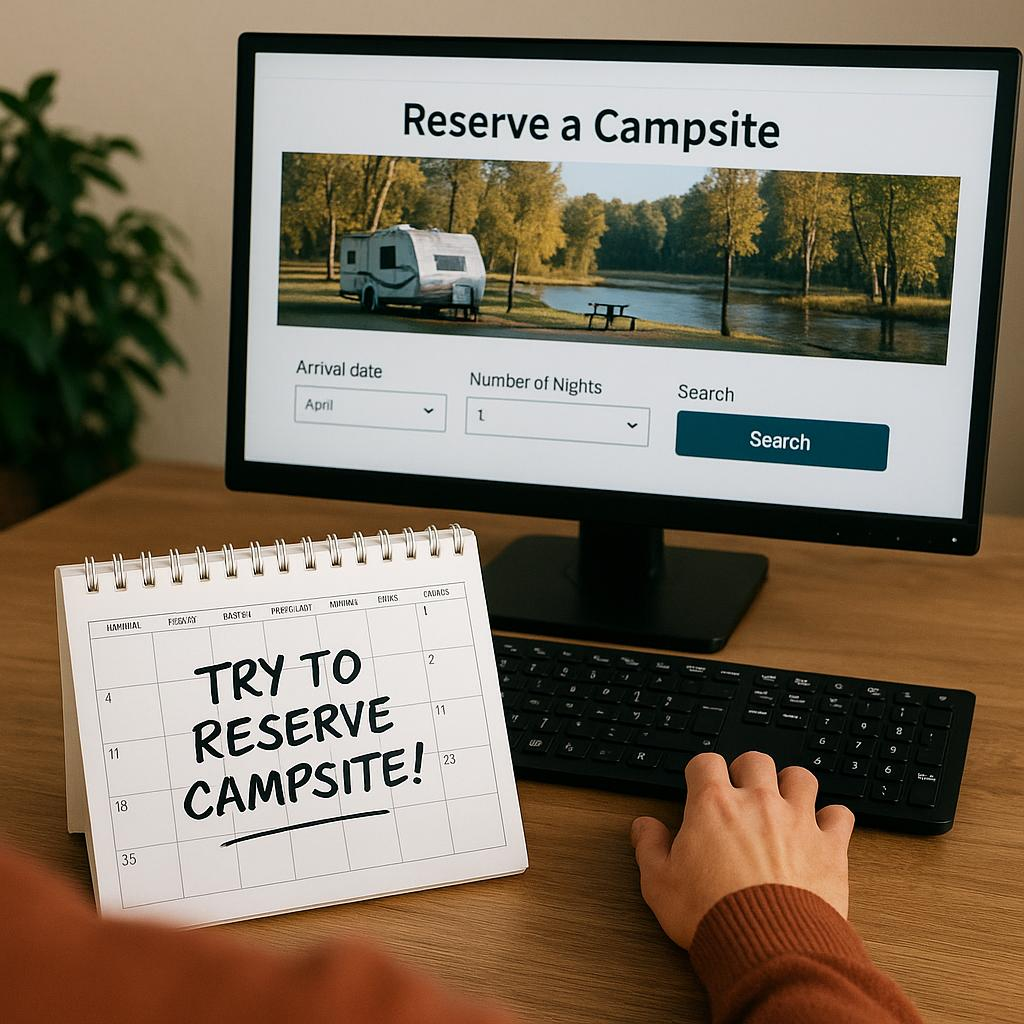
    We recommend maintaining a camping calendar—either digital or physical. Mark down important reservation windows. Use reminders or alarms a few days before and the morning of booking windows. Sounds excessive, but sometimes it’s the excessive effort that gets you the site you want.

    Apps like Campendium, RV Life, The Dyrt, and CampNab are also great tools to help you scout sites, find cancellations, and read reviews in advance.

    Tips on How to Book Texas State Parks

    Texas State Park systems operate on a rolling reservation window—usually 5 or 6 months in advance. Reservations open at 8 a.m. local time, and popular parks can fill in minutes.

    * Create your account in advance and log in early.

    -Use the email option to receive an email notification when a cancellation occurs. However, those who requested an email when a cancellation occurs are also rushing to secure the booking.
    – Set multiple reminders in your phone or calendar
    – Know your exact dates and have backups ready
    – Use the ‘sliding window’ trick: book a longer stay that starts earlier than your target date, then cancel extra days later
    – Be flexible with weekdays instead of weekends

    Tools that help: CampNab, state park email alerts, and setting “favorites” on booking platforms to move fast

    Hacks for Booking Corps of Engineers (COE) Parks

    COE campgrounds are known for scenic sites and great prices—but they also book quickly. Reservations open 6 months in advance via Recreation.gov.

    – Have your Recreation.gov account ready and be logged in early
    – Use the flexible date search feature to see what’s open nearby
    – Target mid-week stays or off-season trips for more availability
    – Consider checking parks that are a little farther from metro areas

    Tools that help: Recreation.gov mobile app, browser autofill for faster checkout, and the Campflare alert system for cancellations

    How to Book at a Private Park

    Private parks often offer more amenities and allow for longer stays, but they don’t all have modern booking systems—and they fill up during peak seasons too.

    – Don’t rely solely on online booking—call the park directly
    – Ask if they have a waiting list or last-minute cancellations
    – Join loyalty or membership programs for early access
    – Be polite but persistent—cancellations happen all the time
    – Avoid holidays and school breaks when families book early

    Tools that help: The Dyrt PRO, RV Parky, and joining Facebook groups for campground swap alerts

    Hacks to Book a Site at a County & City Parks

    Often overlooked, county and city-run parks can be just as easy to book and just as beautiful. These vary widely by region but can be real hidden gems.

    – Research lesser-known parks through local tourism websites
    – Call or email the parks department—some require manual reservations
    – Use Google Maps to spot campgrounds not listed on major apps
    – Ask locals or other RVers for recommendations

    Tools that help: Local county websites, Google Reviews, Campendium, and RV Life Trip Wizard

    Final Thoughts: You’re Not Alone

    It’s easy to feel defeated when you’ve planned a trip and can’t find an open site—but don’t give up. The system may feel stacked against you, but with the right strategy, a bit of patience, and some backup plans, you’ll find your way.

    We’ve all been there. We’ve stayed up late refreshing pages, only to watch our dream site disappear. But we’ve also scored last-minute sites, found new favorite parks off the beaten path, and learned to make the most of weekday trips and shoulder seasons.

    Keep planning, stay flexible, and remember—the goal isn’t just to reserve a spot, it’s to enjoy the journey.

    Here are the key websites and resources mentioned—perfect for bookmarking or adding to your planning toolkit:

    Reservation Platforms

    Texas State Park booking (ReserveAmerica):
    https://texasstateparks.reserveamerica.com

    Corps of Engineers & federal campgrounds (Recreation.gov):
    https://www.recreation.gov


    Cancellation Alert & Planning Apps

    CampNab – Paid cancellation-alert service:
    https://campnab.com/ (Hipcamp Help, campnab.com)

    Campflare – Free campsite alert service:
    https://campflare.com/ (Campflare)

    Hipcamp Alerts – Uses Campflare backend for alerts via Hipcamp:
    https://www.hipcamp.com/alerts (hereandthere.club)

    RV Travel & Campground Discovery Tools

    Campendium – Reviews, maps & cell service info:
    https://www.campendium.com

    RV Life – Trip planning, campground database:
    https://www.rvlife.com

    The Dyrt – Public & private campground listings, PRO memberships:
    https://www.thedyrt.com

    RV Parky – Private park directory & reviews:
    https://www.rvparky.com

  • Unwritten RV Rules That  Make You a Campground Favorite

    Unwritten RV Rules That Make You a Campground Favorite

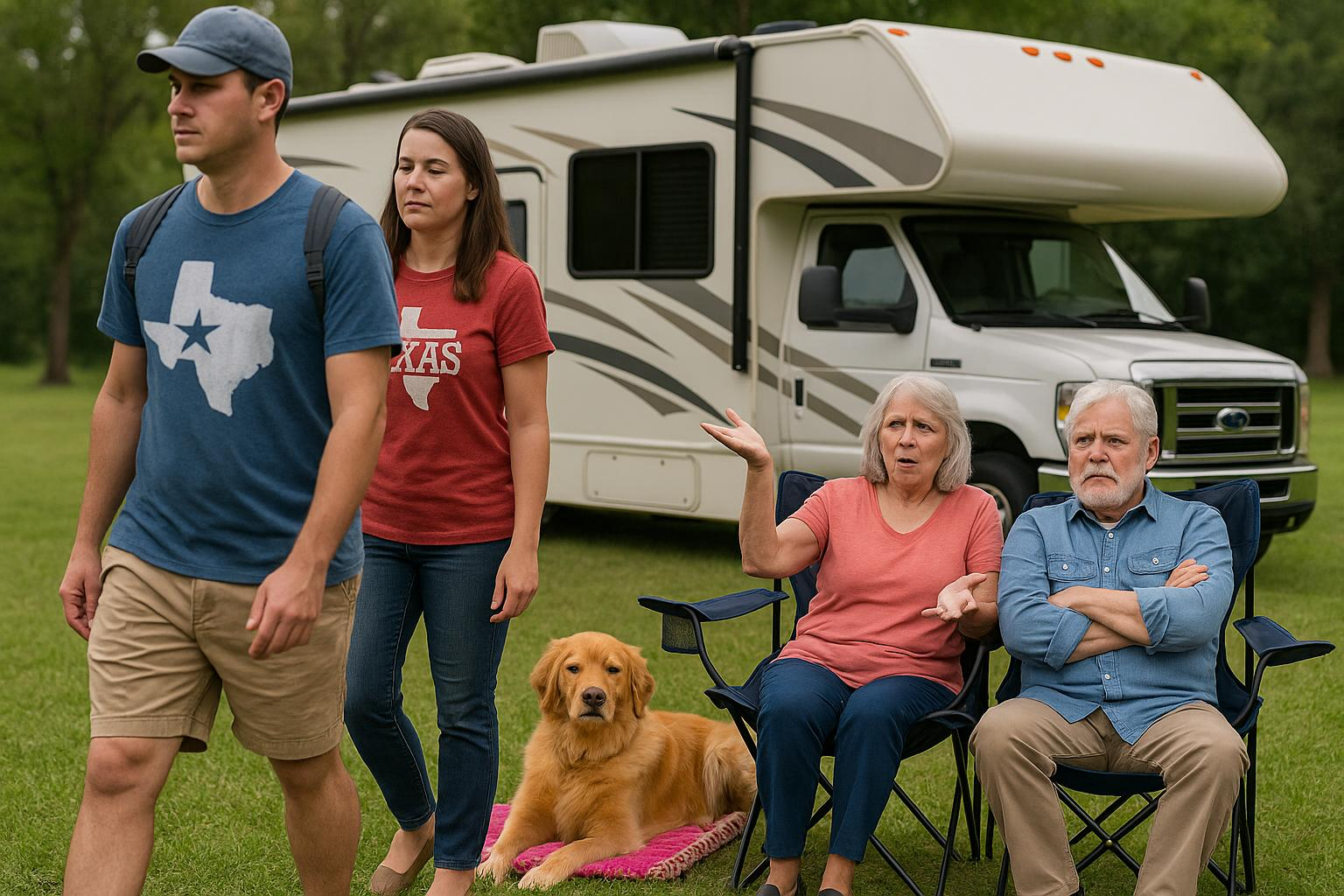
    Whether you’re a Texas local or just exploring the Lone Star State by RV, knowing good RV Campsite etiquette can make all the difference. These unspoken rules will help you avoid awkward situations, keep parks enjoyable for everyone, and maybe even make a few friends along the way.

    1. Know the Rules Before You Set Up

    Each campground has its own set of policies, including quiet hours, fire restrictions, pet guidelines, and generator rules. Always read the posted rules when you check in or look them up ahead of time. Following them helps everyone enjoy their stay (and keeps you from getting fined or asked to leave).

    2. Respect Quiet Hours

    Most parks enforce quiet hours between 10 p.m. and 6–8 a.m. During this time, keep noise to a minimum. That means no loud music, outdoor TVs, generators, or late-night conversations that carry. It’s about being respectful—many campers are early risers or there to relax.

    3. Don’t Cut Through Other Campsites

    This is one of the most common etiquette mistakes. Even if it’s a shorter path to the bathhouse or the lake, cutting through someone else’s site is considered intrusive. Stick to roads and designated walkways. I see this complaint in so many RV Facebook groups; people post that it’s intrusive and rude. There will always be a few people who respond to the complaint that they are not bothered by people cutting through their campsite. But it seems that most people are bothered by others cutting through their site.

    4. Use Generators Sparingly

    In Texas, summer heat often means running your air conditioner, but if you’re in a campground without hookups and need to use a generator, be considerate of others. Only run it during approved hours (usually during the day), and make sure the exhaust isn’t blowing directly toward someone else’s campsite. A quiet inverter generator is a great investment.

    5. Keep Campfires Safe and Smokeless

    Follow the campground rules for RV campers and use only designated fire rings, check for local burn bans, and never leave a fire unattended. Also, be aware of the direction of the smoke. If it’s drifting straight into someone else’s site, it’s courteous to let it burn down or adjust your setup if possible. Sometimes an apology goes a long way in this situation.

    6. Park Your RV Properly

    Pull into your site without blocking roads or encroaching on your neighbor’s space. Level your RV, secure it, and avoid setting up slide-outs, awnings, or patio furniture too close to someone else’s area. A tidy, well-placed setup keeps the space functional and respectful for everyone. As we all know, some RV parks have sites set up so close that when we extend our slides, we are almost touching our neighbors. Be a good RV neighbor.

    7. Don’t Leave Trash Behind

    Always pack out what you pack in—or better yet, leave the site cleaner than you found it. Secure your trash at night to avoid attracting wildlife, and refrain from burning garbage in fire rings (it’s usually against the rules and leaves a mess behind). Please do not leave cigarette butts in the fire pit or anywhere on the site.

    8. Dump Tanks Responsibly

    Gray and black water must be dumped at the proper stations—not on the ground or near your campsite. Even if you think “it’s just a little rinse water,” improper dumping is unsanitary, against the rules, and can get you banned from campgrounds.

    9. Be Mindful of Outdoor Lighting

    Excessive outdoor lights at night can ruin the natural setting and interfere with others trying to stargaze or sleep. Turn off string lights, awning lights, and floodlights before bed unless safety is a concern. If you need lights on, opt for dim or motion-activated ones.

    10. Control and Clean Up After Pets

    Always keep pets on a leash and pick up after them immediately. Don’t leave them unattended outside, especially if they bark constantly. Not everyone loves dogs (or wants to hear them at 6 a.m.), and park rangers will take action if complaints accumulate.

    11. Secure Your Belongings

    Texas weather can change quickly. High winds, sudden storms, and even wildlife can scatter unsecured gear. Tie down awnings, put away chairs and tablecloths when not in use, and secure the lids on trash cans. A neat site is safer and prevents your stuff from becoming someone else’s problem. This does not mean that you must pack up each night, but you can stow away camping chairs and other large items under the RV.

    12. Be Courteous in Shared Spaces

    Whether it’s the laundry room, bathhouse, dump station, or picnic areas—clean up after yourself. Don’t leave soap spills, laundry behind, or take up shared space longer than necessary. Everyone is using the same facilities, so be considerate. Dump stations are often busy during checkout time. If a line forms, you might need to forgo the 10-minute tank rinse. Please rinse any spills that happen while you are at the dump station.

    13. Be Friendly, Not Overbearing

    A wave or quick “hello” goes a long way. If your neighbor seems open to chatting, great. If not, don’t push it. Respect their time and space, especially if they’re reading, eating, or resting. A little friendliness paired with boundaries keeps things neighborly.

    14. Handle Conflicts Calmly

    If something bothers you—like a barking dog or someone playing loud music- address it calmly and respectfully. Most people are open to adjusting their behavior if approached in a considerate manner. If that doesn’t work, involve the campground host or park ranger rather than escalating it yourself.

    15. Leave the Site Better Than You Found It

    Before you leave, double-check that you’ve cleaned the fire pit, taken down lights, picked up trash, and restored the area to its original state. Good campers leave no trace. It’s the best way to respect the land and the next person pulling into that site.

    A Few Texas-Specific Tips:

    • Watch the Weather: Summer heat, spring storms, and flash floods can pop up without warning. Check the forecast daily and monitor the conditions. Don’t leave awnings out or camp gear unattended when storms are predicted. It is good practice to pull the awning in when you leave the campsite.
    • Be Wildlife-Aware: From raccoons to deer and snakes, Texas is home to a diverse array of wildlife. Don’t leave food or trash outside, and avoid feeding any animals. It’s not good for them, and it could make your site a new neighborhood hotspot for pests.
    • Water Conservation Is a Must in drought-prone areas. Be mindful of your water usage. Follow the park’s rules and policies on water usage. Short showers, limited hose use, and turning off the tap while brushing teeth are small actions that make a big difference.

    Final Thoughts

    RV campsite etiquette is essentially about being mindful of your surroundings and considering how your actions impact others. Whether you’re staying for one night or an extended weekend, following these guidelines will help you enjoy your trip—and make you the kind of camper everyone hopes to have as a neighbor.