
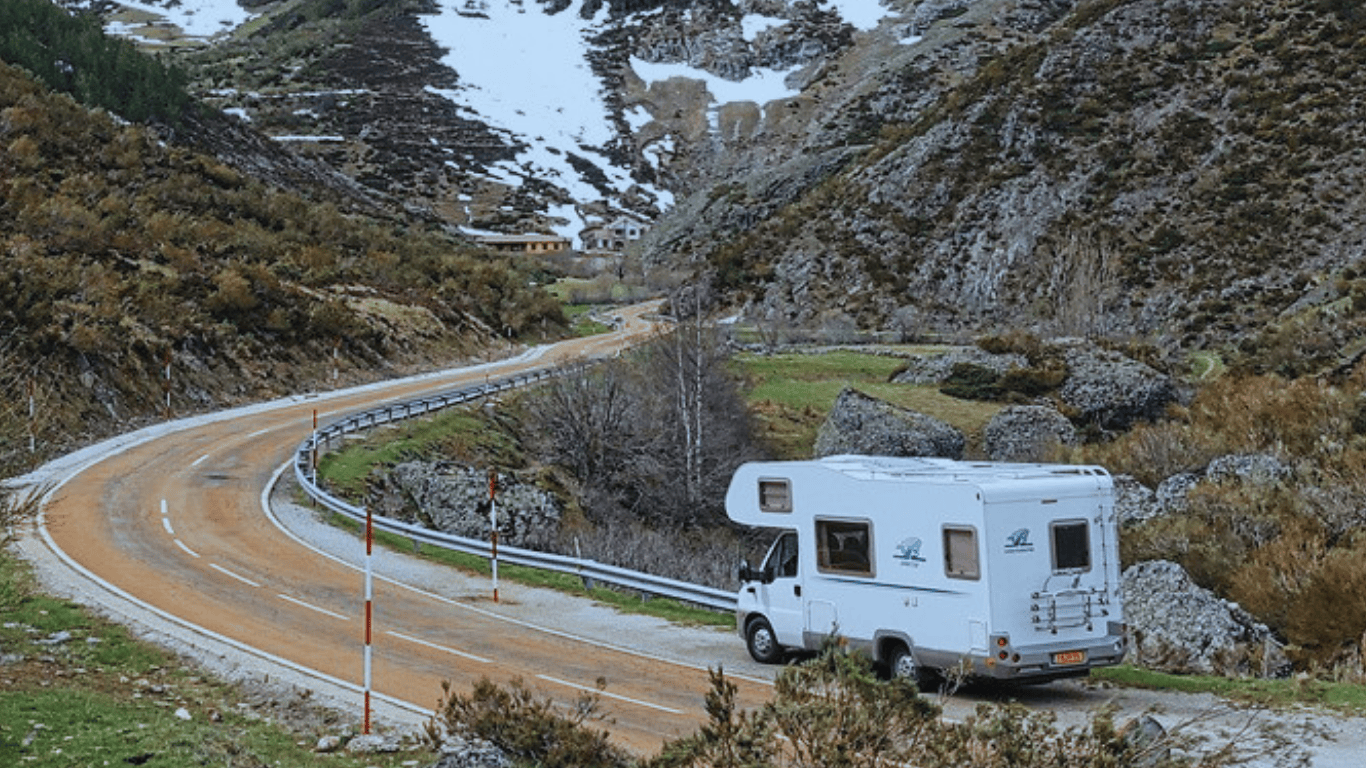
Winter in Texas might not make you think of snow-covered mountains or frozen lakes, but it can still pack surprises for campers. The Lone Star State is big enough that its winters look very different depending on where you travel. In the Gulf Coast region, a breezy 45 degrees with damp air can chill you to the bone, while in the Panhandle, snow flurries and icy winds are part of the normal forecast. Out west in the Davis Mountains or Big Bend, the sun can shine in the afternoon only to give way to a hard freeze by the time you turn in for the night.
When we camped at Davis Mountains State Park last March, we learned just how quickly things can change. As South Texas campers, we weren’t expecting much more than a chilly evening. I should interject here and tell you that this was our first trip this far north. Instead, we woke up to find our water hose frozen. We didn’t panic, because we knew the desert sun would thaw it out quickly, but it was a clear lesson—Texas weather can sneak up on you, and can catch you unprepared if you don’t know what to bring.
This guide is written for campers who want to enjoy winter camping in Texas without those “oops” moments. Let’s look at the gear that makes cold weather camping easier, talk about why each item matters, and explore what winter looks like in different regions of Texas so you can pack smart.
Why Winter Camping in Texas Is Different
Most people think of Texas as hot almost year-round, and in many places that’s true for much of the year. But once late fall and winter arrive, the state shows its variety. In the Hill Country, a crisp night can dip just below freezing. Along the coast, a damp wind makes 50 degrees feel much colder than the number suggests. Up north near Amarillo, you may face snow and long stretches of icy mornings. And in the west, the desert’s extreme swings in temperature mean you can be in a T-shirt one moment and shivering in a coat the next.
Unlike summer camping, which is all about cooling down, staying shaded, and keeping the A/C running, winter camping is about protecting your rig, your water lines, and yourself from cold snaps that come and go with little warning. Preparation is the difference between a comfortable trip and one filled with frozen hoses, chilly nights, and a cranky crew.
The Equipment That Keeps You Comfortable
Heated or Insulated Water Hoses
The first piece of equipment I recommend for winter camping is a heated water hose. The heated hose plugs into power and keeps water moving even if the temperature falls into the 20s. For milder parts of Texas, an insulated hose wrapped in pipe foam can also work. The idea is simple: if your water freezes, you don’t just lose access—you risk burst fittings or cracked connections. So make this a priority.
Protecting the Campground Spigot
Even if your hose is heated, the faucet itself can freeze. That’s why a foam spigot cover is a good backup. They’re inexpensive, easy to put on, and save you from discovering that the problem isn’t your hose at all, but the campground’s water source.
Keeping Warm Inside the RV
Texas campers often underestimate how quickly an RV can lose heat. Windows and doors aren’t built like house insulation, and the cold seeps in. We’ve had good luck with our insulated roller shades that help trap the warmth. On cold nights, we have added a small electric heater in the living area to help the furnace keep up. Remember that electric heaters should be safe for indoor use and have automatic shut-off features.
Propane and Backup Heat
Propane disappears fast when the furnace is running all night. Having extra tanks or a backup heat source means you won’t be stuck shivering in the middle of a trip. We’ve made it part of our routine to check levels before heading out when camping in the winter.
Cozy Sleeping Arrangements
Even with heaters, cold nights feel longer if you’re not warm in bed. Layered bedding works well for families, with quilts, blankets, and comforters stacked as needed. I usually have more blankets on my side of the bed because I never can seem to stay warm.
Camping Across Texas Regions in Winter
One of the biggest challenges is knowing what to expect when you’re headed somewhere new. Texas doesn’t have one “winter”—it has several types of winter. You may want to familiarize yourself with the various weather conditions in the state so that you can be prepared.
West Texas
In the Davis Mountains, Big Bend, and Guadalupe Mountains, the landscape is dry, open, and high in elevation. Days can be sunny and pleasant, perfect for hiking, but nights plummet quickly. We’ve had afternoons in the 70s that slid into the 20s within hours. If you’re going west, bring heated hoses, plenty of propane, and extra layers for sleeping. The winds are stronger here, too, so any kind of skirting or wind barrier under your RV will make a big difference.
Hill Country
The Hill Country sees milder weather but still surprises campers with the occasional frost. Mornings may greet you with a thin layer of ice on the picnic table. You don’t usually need a full cold-weather setup here, but it’s smart to have an insulated hose, a portable heater, and warm bedding. The upside is fewer crowds and gorgeous trails that feel almost private.
Gulf Coast and South Texas
Further south, the winters are damp and windy more than icy. The Gulf Coast rarely freezes, but when the wind blows across the bay, the chill cuts through. Waterproof jackets, warm socks, and good windbreaks make camping here more comfortable. While you may not need a heated hose every trip, I still recommend a spigot cover just in case—cold snaps have a way of showing up when you least expect them.
North Texas and the Panhandle
If you’re headed to Amarillo or the Panhandle, prepare for real winter. Snow is not unusual, and icy winds can last for days. Here, heated hoses, skirting, multiple heaters, and even tire covers are worth the trouble to protect against cracking. This is the one region where I’d advise treating your RV as if you were camping up in the northern part of the US.
East Texas Piney Woods
The Piney Woods don’t usually freeze solid, but they are damp, and damp cold has a way of seeping into your bones. Rain is common, so waterproof gear is as important as warm bedding. Inside the RV, a small dehumidifier or moisture absorber helps keep condensation and dampness under control.
Tips to Stay Comfortable and Safe
Checking the weather daily is a must in winter (a portable NOAA radio works well). Texas forecasts can change hour by hour, and a sudden drop can catch you off guard. We always keep a few gallons of fresh water stored inside the RV, so if lines are shut off during a freeze, we are good.
Meal planning changes in the winter, too. This is the season for warm, hearty foods. A pot of chili simmering on the stove or a Dutch oven meal over the fire reminds you that you are camping in the winter and can have that cozy feeling you miss in the summer.
And don’t forget one of the best parts: winter camping usually means lower rates and fewer neighbors. The quiet mornings, the wildlife moving through, and the chance to enjoy a campfire without sweating make it all worth the extra preparation.
Final Thoughts
Winter camping in Texas is not about braving the elements—it’s about being ready for them. Each region has its quirks, from desert nights that freeze without warning to Gulf breezes that cut sharper than expected. With the right preparation, those quirks turn into stories and memories instead of frustrations.
So, pack your heated hose, your extra quilt, and your sense of adventure. Whether you’re stargazing in West Texas, wandering a Hill Country trail, or listening to the surf on the coast, winter camping in Texas can be every bit as rewarding as the warm seasons—sometimes even more.