Tag: RV camping

  • Best Texas State Parks for Kayaking

    Best Texas State Parks for Kayaking

    Perfect Picks for RV Campers

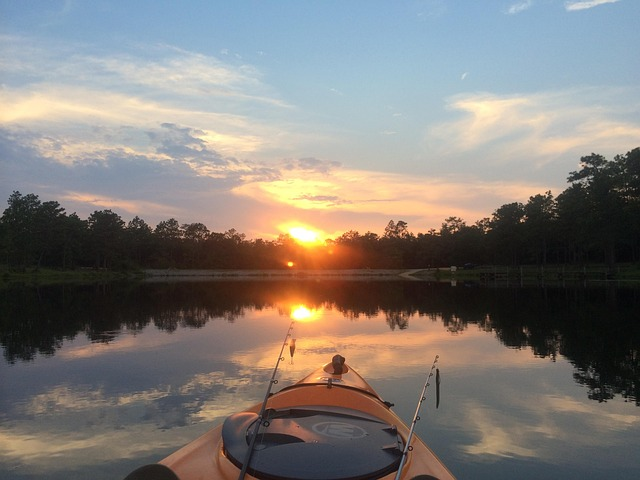
    Kayaking and RV camping go hand in hand. A kayak doesn’t require much storage space, it’s easy to launch for a morning workout or a slow sunset paddle, and it fits beautifully into the rhythm of campground life. Texas makes this combination even better with state parks that allow kayaking on lakes, rivers, and coastal waters—all while offering RV-friendly campgrounds nearby.

    The challenge isn’t finding water. It’s choosing parks where kayaking is enjoyable, access is realistic, and RV camping makes it easy to stay close to the action. Some parks shine for peaceful paddling, others for fishing from a kayak, and a few stand out because you can paddle in the morning and be back at your campsite before lunch.

    These are some of the best Texas state parks for kayaking—and just as importantly, they’re solid choices for RV campers.

    CADDO LAKE STATE PARK

    Closest town: Karnack
    Nearest large city: Shreveport, Louisiana (about 35 miles)

    Caddo Lake State Park feels like stepping into another world. Kayaking here is slow and deliberate, winding through still water corridors lined with towering bald cypress trees. The lake’s sheltered bayous make it ideal for relaxed paddling, photography, and quiet wildlife viewing rather than high-speed or distance kayaking.

    Getting a kayak in the water is simple, with several easy access spots that tie into the paddling areas. Once you’re out there, the lake splits off in a lot of directions, so this isn’t really a place for fast laps. It’s better for slow paddling, wandering around, and stopping whenever something catches your eye.

    RV Camping at Caddo Lake State Park

    The RV campground at Caddo Lake is shaded and peaceful, which pairs well with the calm nature of the lake itself. Campsites are close enough to the water that kayaking easily becomes part of your daily routine rather than a planned excursion. This is a great park for RV campers who enjoy slower mornings, quiet evenings, and easy access to paddling without needing to drive elsewhere.

    DAINGERFIELD STATE PARK

    Closest town: Daingerfield
    Nearest large city: Dallas (about 135 miles)

    Daingerfield State Park is one of the most beginner-friendly kayaking parks in Texas. The park centers around a small lake that stays relatively calm, making it a comfortable place for first-time paddlers or anyone looking for a low-pressure paddle. Kayaking here is more about enjoying the water than navigating conditions.

    The lake layout makes it easy to paddle short distances or take your time circling the shoreline. Fishing from a kayak is popular, and the protected setting helps keep things manageable even on breezier days.

    RV Camping at Daingerfield State Park

    RV camping works really well here because the campground is close to the lake. Kayaking doesn’t have to be an all-day event—you can paddle for a bit, head back to the RV, and still have time to unwind, take a walk, or make an easy dinner.

    SOUTH LLANO RIVER STATE PARK

    Closest town: Junction
    Nearest large city: San Antonio (about 115 miles)

    South Llano River State Park is one of those places where the river quietly steals the show. We camped here in the winter, and even without summer crowds or water activity, the river was just plain beautiful. It’s easy to imagine how enjoyable it would be to paddle at an easy pace, letting the current do some of the work.

    Water clarity is often excellent, and paddlers frequently mix kayaking with swimming or fishing along the riverbanks. Entry points vary with water levels, and many launches are natural bank access rather than formal ramps.

    RV Camping at South Llano River State Park

    RV camping here is one of the park’s biggest strengths. Campgrounds are spacious and well laid out, making them comfortable for motorhomes. Being camped near the river means kayaking can happen early in the day—before heat or crowds build—and still leave time to relax back at your RV in the afternoon.

    COLORADO BEND STATE PARK

    Closest town: Bend
    Nearest large city: Austin (about 100 miles)

    Colorado Bend State Park offers a more rugged kayaking experience along a less-developed stretch of the Colorado River. Paddling here feels quieter and more remote than many other Texas parks, especially compared to larger reservoirs or urban-adjacent lakes.

    River conditions vary throughout the year, which makes checking water levels important. Launches are typically from natural access points rather than concrete ramps, giving kayaking here a more back-to-nature feel.

    RV Camping at Colorado Bend State Park

    RV camping at Colorado Bend State Park is more rustic than many Texas state parks, and that’s important to know before booking. The park offers a limited number of drive-up RV sites designed for self-contained rigs, generally best suited for smaller motorhomes and short travel trailers. These sites are primitive, meaning there are no electric, water, or sewer hookups at the campsite. Potable water is available nearby, and each site includes a picnic table and fire ring. Because hookups aren’t available, this park tends to appeal most to RV campers who are comfortable dry camping and want a quieter, more remote experience. Reservations are strongly recommended during peak seasons, as RV sites are limited and fill quickly.

    GALVESTON ISLAND STATE PARK

    Closest town: Galveston
    Nearest large city: Houston (about 60 miles)

    Galveston Island State Park offers a structured kayaking experience thanks to its marked paddling trails through calm coastal bay waters. The trails are clearly marked, which means less time figuring out where you’re headed and more time actually enjoying the paddle, fishing, or spotting wildlife.

    Conditions here are influenced heavily by wind, so morning paddles tend to be the most enjoyable. Staying within the trail system helps keep kayaking manageable, even for those new to coastal paddling.

    RV Camping at Galveston Island State Park

    RV campers will appreciate how well the campground integrates with the park’s activities. Sites are close enough to the paddling areas that you don’t need to relocate your RV to kayak (lean towards the Bayside sites). This park works well for campers who want a mix of kayaking, beach time, and easy access to nearby services while still camping inside the state park system.

    MUSTANG ISLAND STATE PARK

    Closest town: Port Aransas
    Nearest large city: Corpus Christi (about 40 miles)

    Mustang Island State Park is one of the most popular Texas state parks for kayaking, particularly for those interested in shallow coastal waters. The park’s paddling routes follow protected bays that are ideal for recreational paddling and kayak fishing.

    Wide-open views and shallow water make this a great place to kayak, though wind can quickly change conditions. Planning paddles early in the day usually leads to a much more enjoyable experience.

    RV Camping at Mustang Island State Park

    RV campsites here place you right on the coast, which is a major draw for many campers. The park is almost on the beach, only separated by the sand dunes- so close we were able to hear the water at night. Kayaking easily fits into the day without a long drive or extra planning. This park is a great choice for RV campers who want coastal kayaking paired with beach walks, fishing, and evenings watching the sun drop over the water. Fair warning—there’s zero shade here, and on hot days, that can make your A/C run nonstop.

    GOOSE ISLAND STATE PARK

    Closest town: Rockport
    Nearest large city: Corpus Christi (about 30 miles)

    Goose Island State Park is a practical and approachable choice for kayaking. Sheltered coastal waters keep paddling relatively calm, and designated launch areas make getting on the water simple—even with a fully loaded kayak.

    If you’re into kayak fishing or watching wildlife, this park keeps things pretty relaxed. You don’t have to paddle far from shore, so it’s easy to get out on the water without turning it into an all-day effort.

    RV Camping at Goose Island State Park

    The campground is well-suited for all RVs and makes it easy to fit kayaking into the day. Because launch areas are accessible, this park is ideal for campers who want to paddle for an hour or two rather than commit to a long outing. It’s a great park for relaxed coastal RV camping with kayaking as a low-effort highlight. The Bayfront RV sites put you closer to the kayak launch, which sounds perfect on paper. In reality, that also means you’re more exposed to the wind, and when it’s blowing, those sites can be less enjoyable than expected.

    WHY THESE PARKS WORK SO WELL FOR RV CAMPERS WHO KAYAK

    The best Texas state parks for kayaking aren’t just places where kayaks are allowed—they’re parks where kayaking fits naturally into RV camping life. These parks offer reasonable access to the water, campgrounds that support motorhomes, and surroundings that make staying multiple days worthwhile.

    Some parks are perfect for peaceful exploration, others for fitness or fishing, and a few excel because you can paddle and still be back at camp before lunch. Choosing the right park means kayaking becomes part of the experience—not something you have to work around.

    For Further Reading check out our “Best of Texas State Parks” page.
  • Best Texas State Parks for Photography

    Best Texas State Parks for Photography

    Do you love photography? What makes the experience great for you? For photographers — whether you shoot landscapes, wildlife, night skies, or macro details — Texas State Parks are full of visual inspiration. In this guide, I’ve picked the best parks across the state that are truly worth the traveling- with your camera in hand, of course. Each state park offers you something distinct: dramatic light, unusual geology, abundant wildlife, or iconic Texas scenery.

    Ready to plan your next photographic vacay? Let’s look at the best Texas State Parks for photography.

    Big Bend Ranch State Park — Wild West Wide Open

    Big Bend Ranch State Park is the unsung gem of Texas. While its bigger neighbor, Big Bend National Park, gets more attention, the state park’s rugged solitude makes it heaven for photographers wanting dramatic light and untouched terrain. But be warned, the mid-day light here can be flat and unforgiving, which catches a lot of photographers off guard. This isn’t a park that rewards a casual noon stroll with a camera-the best shots usually require planning around light and lots of patience.

    What draws photographers here: the sweeping desert views, red rock formations, and the Rio Grande winding below steep canyons. The light at sunrise and sunset here is nothing short of perfection.

    Landscape Photography Tips:

    • River Road and the Sauceda area offer rolling hills, layered ridges, and deep shadows at golden hour.
    • Lajitas and Castolon viewpoints put the Rio Grande in dramatic juxtaposition with rugged cliffs.
    • The sparse human footprint makes night sky photography spectacular — the Milky Way stands out clear and bright.

    Best Time to Visit: Fall through spring for cooler temperatures and clear skies. Stormy summer, dramatic clouds but be mindful of heat and flash-flood risks.

    Wildlife & Nature: Look for roadrunners, javelinas, coyotes, and raptors flying the ridges. Wildflower seasons (especially after wet winters) add bursts of color.

    Photographer’s Must-Bring: Wide-angle lens, telephoto lens for wildlife, plenty of water, and sturdy hiking boots.

    Enchanted Rock State Natural Area — Pink Granite and Infinite Skies

    If unique geology is your thing, Enchanted Rock in Central Texas is like walking into a giant sculpture carved by time. This massive pink granite dome rises out of the Hill Country, and its smooth curves and contrasting textures make for striking abstract and landscape shots.

    What draws photographers: Smooth rock surfaces glow in morning and evening light, and the panoramic summit views are perfect for sunrise shoots.

    Photography Opportunities:

    • Summit sunrise — the granite changes from warm pink to gold as the sun rises.
    • Contrasting textures — shadows and highlights across the dome create dynamic compositions.
    • Wildflowers in spring — Indian paintbrush and bluebonnets frame the rock in vibrant color (seasonal).

    Best Time to Visit: Spring for wildflowers and cooler temps; fall for crisp skies and softer light.

    Visitor Notes: The climb to the top is short but steep. Bring a tripod for sunrise/sunset and watch your step — the edges can be slippery.

    Palo Duro Canyon State Park — The Grand Canyon of Texas

    Palo Duro Canyon is Texas’s second-largest canyon and a mecca for dramatic landscape photographers. Bands of red, orange, and purple rock curve through the High Plains, creating endless layers of light and shadow. Some people love shooting at sunrise; others prefer the late afternoon.

    What draws photographers: Towering rock formations, deep canyon walls, and sprawling vistas that change mood with the shifting light.

    Photographic Highlights:

    • Lighthouse Rock — this iconic pillar is one of the most photographed formations in Texas. This area will have crowds late morning and early afternoon.
    • Cedar Sage and Caprock Overlooks — perfect for golden hour and sunset.
    • Trails like the Paseo del Rio — offer canyon floor perspectives with closer rock detail.

    Best Time to Visit: Fall through spring for cooler hiking; golden hours are long and rich with color.

    Wildlife & Nature: Raptors circle on thermals, deer graze near water, and spring brings wildflowers to the canyon floor. Morning mist and low clouds add atmospheric shots after rain.

    Pro Tip: This is one of those places where glare can be annoying, especially mid-day, so anything that helps manage reflections is worth packing; telephoto lenses help isolate formations and compress canyon layers.

    Dinosaur Valley State Park — Fossils, Riverbeds & Sunset Magic

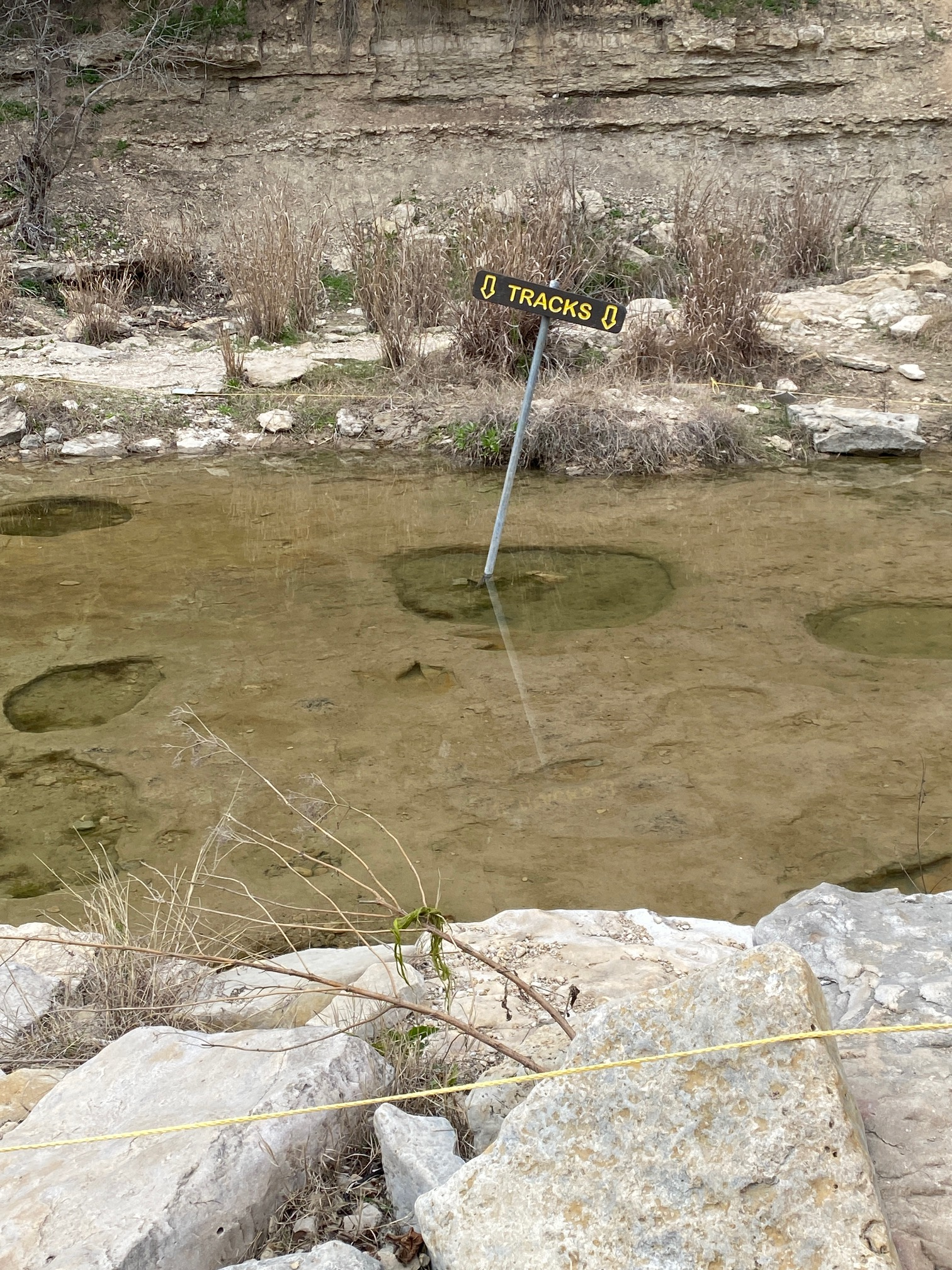
    Dinosaur Valley near Glenrose is not just a kid-friendly park — it’s a paradise for photographers who love texture, history, and dreamy light. The real draw? Dinosaur footprints preserved in the riverbed of the Paluxy River. Our grandkids were able to put their feet in a track but unfortunately I did not have a camera/phone with me because we were hiking by the river.

     This park pulls photographers in with its prehistoric tracks, shallow river reflections, and those twisting oak trees along the Paluxy.

    Side note: We visited Dinosaur Valley in March a couple of years ago, and the clouds that rolled in were the strangest shade of dark gray and black I’ve ever seen. They were the kind of skies that would have made an incredible photo — even for someone who doesn’t think of themselves as a photographer. Of course, the rain started coming down hard before I could grab a camera. Not long after, a park ranger knocked on our RV door to let us know the area was under a tornado watch and explained exactly where we needed to go if the sirens sounded. It was one of those moments that reminds you how quickly conditions can change in Texas parks — and how sometimes the shot you remember most is the one you never took.

    Photography Opportunities:

    • Dinosaur tracks at low water — best early morning or late afternoon for long shadows revealing detailed prints.
    • River reflections — when water is calm, rocks and trees mirror beautifully in the Paluxy.
    • Sunset at the river bends — soft, warm light and silhouetted trees make for compelling compositions.

    Best Time to Visit: Spring and fall; early mornings give softer light and fewer crowds. Whether you see tracks clearly depends entirely on water levels, which means some trips are magic and others are a little disappointing.

    Visiting Notes: River levels fluctuate; check conditions before planning to shoot tracks. Waterproof shoes help if you’re wading to low vantage points.

    Guadalupe River State Park — Water, Woodlands & Wildlife

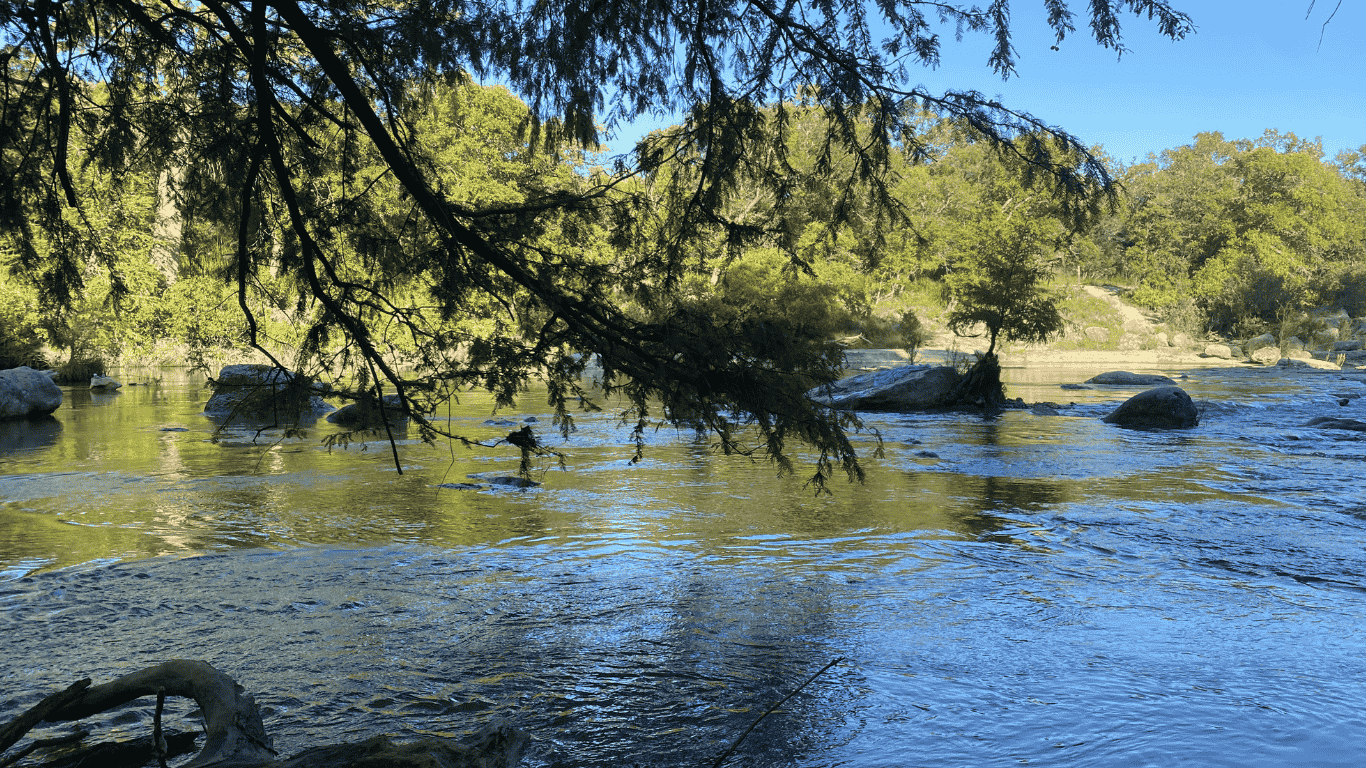
    For photographers who look for lush greens, flowing water, and intimate nature scenes, Guadalupe River State Park is a refreshing change from West Texas expanses. It’s especially lovely in spring and after rain. We love this park because the scenery changes with the seasons in a subtle way-some things are softened as the light shifts, while others feel surprisingly harsh, depending on the time of day. Shady river corridors, crisp flowing water, and a steady presence of birds and wildlife tucked into the river-bottom woods are what keep photographers coming back.

    Photographic Highlights:

    • River sections with gentle cascades — long exposures work great here with an ND filter.
    • Rich wildflower patches in spring — black-eyed Susans and Indian blanket weave color in the grasses.
    • Bird photography — look for warblers, woodpeckers, herons, and more.

    The best time to visit is Spring through early fall; summer mornings are cool and quiet.

    Trail Tips: The park’s interpretive trail loops offer shaded forest photography and close-ups of leaf patterns, moss, and river stones. Macro lenses shine here.

    Brazos Bend State Park — Wetland Wonders & Night Skies

    Just south of Houston, Brazos Bend is beloved by nature photographers for its wetlands, wildlife abundance, and remarkably dark night skies for astrophotography. What draws photographers: Gator-lined ponds (be aware and stay alert), herons and egrets, winding boardwalks, and a wide array of wildlife against watery backdrops.

    Top Photography Spots:

    • Elm Lake and Riddle Lake at dawn — glass-like surfaces and misty mornings make for ethereal shots.
    • Boardwalk trails — great for leading lines and bird photography.
    • Night sky fields — minimal light pollution makes for Milky Way captures not far from a major metro.

    Best Time to Visit: Fall through spring for cooler temps and better sunrise colors; summer mornings are also great for fog over water.

    Wildlife Focus: Alert! American alligators (stay safe and keep your distance), turtles soaking on logs, wading birds, and migratory songbirds in season. You will need patience and a telephoto lens.

    Garner State Park — Hilly Backdrops and River Photos

    Garner State Park is cheery, colorful, and packed with photographic possibilities. With its oak-covered hills and shallow sections of the Frio River, it’s a favorite for both landscape and lifestyle photography.

    What draws photographers: Clear river reflections, limestone bluffs, and verdant foliage make for classic Hill Country scenes.

    Photographing Here:

    • Morning reflections on the Frio River — mirror-like surfaces with bridge and hill reflections.
    • Oak canopies and trails — great for shaded forest shots.
    • Sunset from the hillside overlooks — sky colors reflect beautifully in the bends of the river.

    Best Time to Visit: Spring and early fall when the river is inviting, and foliage is lush.

    Visitor Tips: Weekends get crowded, so shoot early to avoid crowds. A circular polarizer boosts greens and cuts glare off water.

    Guadalupe Mountains State Park — Pure Backcountry Majesty

    For photographers who love raw mountain landscapes, Guadalupe Mountains State Park offers some of the most striking alpine scenery in Texas. This park is home to Guadalupe Peak, the state’s highest point, and massive fossilized reef landscapes.

    What draws photographers: Rugged ridgelines, high desert flora, sweeping views, and great elevation contrasts for dramatic lighting.

    Photography Highlights:

    • Sunrise from McKittrick Canyon — warm glow on distant peaks.
    • Autumn colors along the trails — cottonwoods turn vivid yellow against rust desert grasses.
    • Cloud shadows across ridges — dynamic light play over the desert.

    Best Time to Visit: Fall through spring for hiking and clear conditions; summer monsoons can also create dramatic skies.

    Lens Tips: Wide-angle for sweeping ridges, telephoto for distant peaks, and patience for shifting light.

    Final Tips for Photographers Visiting Texas State Parks

    Plan for light. Golden hour and blue hour matter everywhere in Texas — the wide, flat landscapes especially come alive at low sun angles.

    Gear wisely. A wide-angle lens for landscapes, a telephoto for wildlife, and a sturdy tripod for low light and long exposures are essential. Filters (ND, polarizer) are huge helpers for water scenes and vivid skies.

    Check the weather and water levels. Rivers and lakes change with the season, which can make or break reflections and access to certain features.

    Leave no trace. Parks are natural wonders to protect. Stick to trails, respect wildlife, and carry out what you carry in.

    Texas’s state parks are a photographer’s playground — each one with its own personality, palette, and story. Whether you’re chasing red rock canyons, dancing stars over oak canopies, or prehistoric footprints in riverbeds, there’s a frame waiting to be captured.

    If there’s one thing Texas photography teaches you, it’s to keep your camera hand-and your plans flexible.

    For Further Reading check out our “Best of Texas State Parks” page.
  • Best Texas State Parks for Horseback Riding

    Best Texas State Parks for Horseback Riding

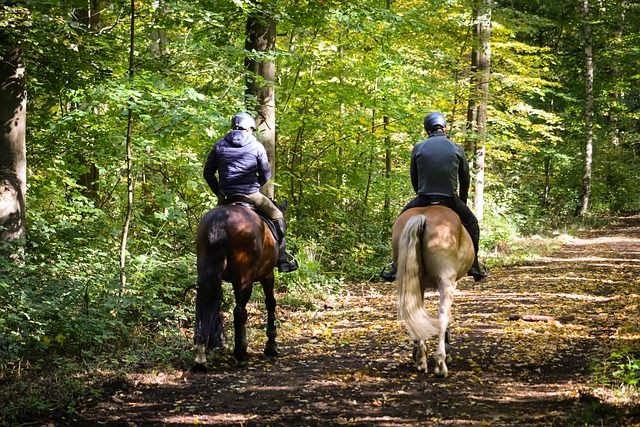
    Nothing beats riding through a Texas state park on horseback. The quiet rhythm of hooves on dirt, wide-open skies, and landscapes you simply can’t experience from a car or hiking trail. This makes horseback riding one of the most rewarding ways to explore Texas. The challenge, though, is that not all Texas state parks allow horses—and even fewer are truly set up for campers traveling with horses, trailers, and motorhomes.

    If you’re planning to camp with your horse, the details matter. You need designated equestrian trails, clear rules, space to safely secure horses, access to water, and a campground layout that works for large rigs and trailers. Below are some of the best Texas state parks for horseback riding, spread across the state, that offer a combination of rideable trails and camping options that actually make sense for equestrians.

    What to Know Before Camping with Horses in Texas State Parks

    Texas Parks & Wildlife does allow horseback riding in select state parks, but it is always limited to designated trails and areas. Most parks require proof of a negative Coggins test, typically dated within the last 12 months, and some parks also require additional documentation for horses coming from out of state. You should always carry current paperwork with you, as park staff may check upon arrival.

    Horse camping areas vary widely. Some parks provide permanent pens or corrals, others only offer hitching posts or tie rails, and many expect riders to bring portable panels. Water access may be nearby, but you should always plan to bring buckets, hoses, and enough feed for your stay. Waste hay and manure must be managed properly, and tying horses directly to trees is not allowed in most parks.

    Trail etiquette is another big consideration. Many Texas state park equestrian trails are multi-use, shared with hikers and mountain bikers. Understanding how parks manage these shared spaces—and choosing parks that match your comfort level—can make or break a trip.

    Lake Mineral Wells State Park & Trailway

    Lake Mineral Wells is one of the most approachable and beginner-friendly Texas state parks for horseback riding. Located in North Central Texas, this park offers approximately 12 miles of designated multi-use trails. In addition to access to the Lake Mineral Wells Trailway. The Trailway follows an old railroad bed, creating a wide, mostly level route that is ideal for relaxed rides, conditioning horses, or introducing a young or inexperienced horse to trail riding.

    Equestrian camping is available, and the park is very clear about expectations. A current negative Coggins test is required, and horses must be secured using approved methods such as string lines or portable panels. Horses may not be tied directly to trees. Campers should be prepared to manage manure and waste hay properly, which is typical of Texas state park equestrian areas.

    This park works well for RVers because it is relatively easy to navigate with trailers and larger rigs. The trail system allows riders to choose between short loops or longer, steady rides without extreme terrain.

    Palo Duro Canyon State Park

    Palo Duro Canyon offers one of the most dramatic horseback riding experiences in Texas. Known as the “Grand Canyon of Texas,” this Panhandle park provides a dedicated equestrian area covering roughly 1,500 acres. One of its biggest advantages for horse campers is that trails within the equestrian area are strictly for horses, which greatly reduces concerns about bikes or fast-moving foot traffic.

    Equestrian camping is well established here. The park requires a negative Coggins test and provides water access in the equestrian camping area. Shared horse pens are available on a first-come basis, with each pen accommodating up to two horses. Riders are also allowed to bring their own portable panels if they prefer more control over their setup.

    Trail riding here is best suited for horses and riders comfortable with elevation changes, rocky footing, and canyon terrain. The payoff is incredible scenery and a quieter riding experience thanks to the horse-only trail designation.

    Hill Country State Natural Area

    Hill Country State Natural Area is a favorite among experienced trail riders who want mileage, variety, and a backcountry feel. The park offers roughly 40 miles of designated multi-use trails open to horseback riding. These trails wind through classic Hill Country terrain, including rocky ridges, creek crossings, and expansive views.

    This park stands out for its flexible camping options. Equestrian campers will find primitive sites with access to pens and water, a group equestrian camp with barn and stall facilities, and even nearby lodging options with access to corrals. This makes it an excellent choice for groups or families where not everyone wants to camp in the same way.

    Because the trails are multiuse, riders should be comfortable sharing space with hikers and mountain bikers. Trails may close during wet conditions to protect the surface, so checking conditions before arrival is important.

    Big Bend Ranch State Park

    For riders looking for a true West Texas adventure, Big Bend Ranch State Park offers an unmatched sense of space and solitude. Horseback riding is permitted in most areas of the park, with access to hundreds of miles of rugged multi-use trails. This is not a casual riding destination—it is remote, demanding, and incredibly rewarding.

    Equestrian use requires additional planning. Riders must obtain a backcountry use permit, bring weed-free feed, and carry proof of a current Coggins test. Water availability can be limited and seasonal, so riders should confirm sources before heading out. The terrain is tough on horses and equipment, making this park best suited for experienced riders with conditioned horses.

    Camping here is primitive, and self-sufficiency is key. If you are prepared, Big Bend Ranch offers a rare opportunity to ride through untouched desert landscapes and expansive vistas.

    Ray Roberts Lake State Park – Isle du Bois Unit

    Ray Roberts Lake State Park provides a more relaxed and family-friendly option for horse camping in North Texas. The Isle du Bois Unit features a 12.5-mile multi-use trail that winds through oak woodlands and along the lake, offering scenic but manageable rides.

    Equestrian camping is available in the Blue Stem Grove area, which includes sites equipped with hitching posts and nearby water access. Some sites also include pens, making it easier for campers who do not want to haul additional equipment. The campground layout works well for RVers and weekend trips, with relatively easy access to trails from camp.

    This park is a solid choice for riders who want a comfortable camping experience paired with enjoyable trail riding, without committing to extreme terrain or remote conditions.

    How Texas State Parks Protect Horses on Multiuse Trails

    One common concern among horse campers is trail safety, especially when trails are shared with bikes. In Texas state parks, trail etiquette generally gives horses the right of way over both hikers and cyclists. That said, real-world encounters depend on visibility, timing, and communication.

    Parks like Palo Duro Canyon minimize this concern by offering horse-only trails within equestrian areas. In multiuse parks, riders are encouraged to stay alert, ride during lower-traffic hours when possible, and communicate clearly with approaching cyclists. Asking a cyclist to stop, slow down, and speak calmly can make a significant difference in keeping horses settled.

    Choosing the right park—and the right trail system—for your comfort level is the best way to ensure a safe and enjoyable ride.

    What to Bring for a Successful Horse Camping Trip

    Even in parks with established equestrian facilities, campers should plan to be largely self-contained. Portable panels, buckets, feed tubs, fly control, manure forks, and string lines are commonly needed. Always verify whether water is available at your campsite and be prepared to haul water if necessary.

    Texas state parks are careful stewards of their land, and responsible horse camping helps keep these opportunities open. Cleaning up after horses and following park guidelines is not just required—it’s what allows equestrians to continue enjoying these parks.

    More Texas State Parks That Allow Horseback Riding

    In addition to the parks above, Texas Parks & Wildlife lists several others that allow horseback riding, including Caprock Canyons, Brazos Bend, Cooper Lake (South Sulphur Unit), Copper Breaks, Davis Mountains, Fort Richardson, and the Lost Creek Reservoir Trailway, Lake Arrowhead, Monahans Sandhills, San Angelo, and Pedernales Falls State Park. Each offers a different experience, and not all provide equestrian camping, so checking individual park details before booking is essential.

    Camping with horses in Texas state parks takes a little extra planning, but the reward is worth it. Whether you’re riding canyon trails, Hill Country ridges, or wide-open desert, these parks offer some of the best horseback riding experiences in the state—right alongside campsites that welcome both you and your horse.

    For Further Reading check out our “Best of Texas State Parks” page.
  • Best Texas State Parks for Camping with Kids

    Best Texas State Parks for Camping with Kids

    Camping with kids is a little different than camping as adults. You can love quiet trails and long sunsets, but kids want something that sparks their imagination. They want to climb, splash, slide, dig, explore, and come home with stories they can’t stop telling. That’s why the best Texas state parks for camping with kids aren’t just scenic—they’re interactive.

    This final post in the Best of series focuses on Texas state parks that offer something truly special for families. These are parks where kids don’t just tag along. They lead the way. Whether your kids are toddlers, grade-school explorers, or teens who need something cool enough to hold their attention, these parks make camping feel like an adventure instead of a compromise.

    Dinosaur Valley State Park

    Nearest town: Glen Rose (2 miles)
    Nearest large city: Fort Worth (75 miles)

    Dinosaur Valley is often the first park families think of when planning a kid-focused camping trip—and for good reason. This park lets kids walk in actual dinosaur tracks. Not replicas. Not signs. Real footprints preserved in the riverbed. For elementary-age kids especially, this is one of those moments where learning feels like magic. They can see the tracks, touch the rock, and imagine what Texas looked like millions of years ago.

    Younger kids love splashing in the shallow sections of the Paluxy River while parents point out tracks along the way. Older kids tend to get more curious, asking questions about dinosaurs, fossils, and ancient landscapes. Ranger programs often focus on the park’s prehistoric history, which makes the experience feel even more real.

    Campsites at Dinosaur Valley include RV-friendly options with water and electric hookups, along with tent sites and walk-in areas. The campground is well-maintained and close enough to the main attractions that families don’t feel like they’re constantly packing up and driving. Trails are short and manageable, which is helpful when camping with kids who don’t want to hike for hours. It’s easy to see why this park consistently ranks among the best Texas state parks for camping with kids.

    Monahans Sandhills State Park

    Nearest town: Monahans (1 mile)
    Nearest large city: Midland–Odessa (35 miles)

    Monahans Sandhills feels like another planet to kids. Rolling sand dunes stretch as far as they can see, and suddenly camping turns into something closer to a beach trip—without the ocean. Kids can run, climb, roll, and slide down dunes for hours, burning off energy in a way few parks allow.

    This park is especially appealing for kids ages five and up, though even toddlers enjoy playing in the softer sand near the edges. The park rents sand disks, which turn the dunes into natural playgrounds. Unlike playground equipment, this kind of play feels limitless and creative.

    The campground offers electric hookups and paved pads, making it a comfortable base camp even though the surroundings feel wild. Wind can be a factor, so families should plan accordingly, but many parents say that’s part of the experience. Evenings are quiet, skies are dark, and kids fall asleep fast after a full day of dune adventures. For families looking for something completely different, Monahans easily earns its place among the best Texas state parks for camping with kids.

    Garner State Park

    Nearest town: Concan (4 miles)
    Nearest large city: San Antonio (90 miles)

    Garner State Park has been creating childhood memories for generations of Texans. This park shines for school-age kids and teens who love water, movement, and a little bit of tradition. Floating the Frio River is often the highlight, with shallow, clear water that feels safe and inviting for families.

    One of the most kid-appealing features is the famous summer dance held at the pavilion. For kids, this feels like a campground party where everyone is welcome. Even shy kids tend to loosen up when they see other families dancing and laughing together.

    Camping options include RV sites with electric and water hookups, along with tent camping and screened shelters. The park can be busy during peak seasons, but many families see that as a plus—kids make friends quickly here. Trails are short and scenic, offering just enough adventure without overwhelming younger campers. Garner’s mix of water fun, social energy, and tradition makes it one of the best Texas state parks for camping with kids, especially for families with older children.

    Inks Lake State Park

    Nearest town: Burnet (12 miles)
    Nearest large city: Austin (65 miles)

    Inks Lake is a calm, friendly park that works especially well for families with younger kids or first-time campers. The lake is known for its steady water levels, which means no muddy shorelines or sudden drops. Kids can swim, wade, and float with less stress for parents.

    Devil’s Waterhole is a big draw for adventurous kids. While cliff jumping isn’t for everyone, watching older kids leap into deep water becomes part of the experience. Younger kids enjoy exploring the rocky edges and swimming in the calmer sections nearby.

    Campsites are spread out and easy to navigate, with RV sites offering water and electric hookups. The park feels manageable, which is important when camping with kids who need routine and familiarity. Ranger programs often focus on wildlife and basic outdoor skills, making learning feel fun and hands-on. Inks Lake is one of the best Texas state parks for camping with kids who love water but don’t need constant high-energy activities.

    Palo Duro Canyon State Park

    Nearest town: Canyon (12 miles)
    Nearest large city: Amarillo (25 miles)

    Palo Duro Canyon makes kids feel small—in the best possible way. Standing at the edge of the canyon and looking out over layered rock walls is something kids remember long after the trip ends. For older kids and teens, this park feels dramatic and adventurous.

    Hiking here feels like exploring a movie set, and many kids enjoy spotting wildlife or imagining what life was like for early settlers and Native peoples. The outdoor musical drama held seasonally adds another layer of excitement for families visiting at the right time.

    RV campsites with hookups are available, and roads are well-maintained despite the rugged setting. The park does require a bit more planning, especially in hot weather, but families who come prepared often say it’s one of the most memorable trips they’ve taken. For kids who enjoy big landscapes and big stories, Palo Duro stands out among the best Texas state parks for camping with kids.

    Sea Rim State Park

    Nearest town: Port Arthur (20 miles)
    Nearest large city: Houston (90 miles)

    Sea Rim offers something many kids don’t expect from a state park: beachfront camping. Waking up to waves and falling asleep to ocean sounds feels special, especially for kids who haven’t spent much time at the coast.

    Younger kids love collecting shells, watching birds, and playing in the sand. Older kids enjoy fishing, kayaking, and exploring the marsh boardwalks. This park works well for families who want a relaxed pace with plenty of sensory experiences.

    Camping includes RV sites with hookups in the marsh campground, offering a good balance of comfort and coastal adventure. Weather can change quickly, but that unpredictability often becomes part of the story kids tell later. Sea Rim’s unique setting makes it one of the best Texas state parks for camping with kids who love the beach but still want the state park experience.

    Why These Parks Matter for Families

    The best Texas state parks for camping with kids don’t just entertain—they invite curiosity. These parks give kids permission to explore, ask questions, get dirty, and try something new. They create shared family experiences that feel meaningful instead of rushed.

    When kids are engaged, camping becomes easier for everyone. Meals taste better. Evenings are calmer. And those small moments—watching a child spot a dinosaur track or race down a sand dune—become the memories that last.

    If you’re planning your next family trip, start with parks that offer something truly special. Texas has no shortage of them, and these stand out for a reason.

    For Further Reading check out our “Best of Texas State Parks” page.
  • Best Texas State Parks for Fishing

    Best Texas State Parks for Fishing

    Fishing is one of the most relaxing ways to enjoy the outdoors, and Texas has some incredible lakes and rivers that make it easy to cast a line. This post is the 4th article in the RV Noni “Best Texas State Parks” series, and today, we’re highlighting the best Texas state parks for fishing—places where the scenery, water access, and fish populations come together for a perfect trip.

    In true Texas Parks & Wildlife fashion, no fishing license is required when fishing from the shore inside Texas state parks. You can fish from a kayak or boat on park waters, but a fishing license is required when you are not fishing from the bank. This is one of the biggest reasons many RV campers choose these parks for easy, stress-free fishing. Another perk is that the state parks will loan you fishing tackle if you decide to fish.

    Whether you’re after bass, catfish, crappie, or seasonal bites, these five parks offer outstanding year-round fishing, RV-friendly campsites, and peaceful settings perfect for unwinding in nature.

    Why These Are the Best Texas State Parks for Fishing

    Texas has more than 80 state parks, but only a few offer strong year-round fishing conditions, good water access, healthy fish populations, and RV-friendly camping. Each pick below includes:

    • Why the park is great for fishing
    • Seasonal highlights (which fish bite best in which season)
    • The closest town and nearest large city
    • Best water access areas in the park
    • Tips for shore vs. kayaking/boat fishing policies

    These are the true standouts when you’re searching for the best Texas state parks for fishing.

    1. Lake Livingston State Park

    Livingston, TX – One of the Best Texas State Parks for Fishing

    Nearest town: Livingston, TX (9 miles)
    Nearest large city: Houston, TX (80 miles)

    Lake Livingston is one of the largest lakes in Texas at more than 90,000 acres, giving anglers tons of space to spread out. It’s especially good for RV travelers because most campsites are close to the water, making it easy to get lines out early in the morning.

    Why It’s Great for Fishing

    • Massive lake with deep and shallow zones
    • Famous for white bass and catfish
    • Plenty of shoreline access for bank fishing
    • Multiple boat ramps and easy kayak launches

    Best Seasonal Fishing

    • Spring: White bass runs peak near feeder creeks
    • Summer: Blue catfish and channel catfish dominate
    • Fall: Largemouth bass move shallow and get active
    • Winter: Striped bass and white bass school in deeper water

    Top 3 Places to Fish in the Park

    1. Fishing Pier – Great for bass and catfish, especially at sunrise
    2. Piney Shores Cove – Calm water perfect for kayak fishing
    3. Boat Ramp Area – Active zone with baitfish schools attracting predators

    Bank vs. Boat Policy

    Fishing from the shore requires no license, but kayaking and boat anglers will need a standard Texas fishing license.

    2. Inks Lake State Park

    Burnet, TX – Hill Country Favorite in the Best Texas State Parks for Fishing

    Nearest town: Burnet, TX (10 miles)
    Nearest large city: Austin, TX (67 miles)

    Inks Lake is a constant-level lake, meaning water levels don’t fluctuate heavily like other Central Texas lakes. This creates very stable fishing conditions year-round.

    Why It’s Great for Fishing

    • Constant water level = predictable fishing
    • Rocky shoreline creates excellent bass habitat
    • Several quiet coves perfect for kayak fishing

    Best Seasonal Fishing

    • Spring: Largemouth bass and sunfish spawn in shallow rocky pockets
    • Summer: Catfish are active near deeper ledges
    • Fall: Bass feed heavily near rocky points
    • Winter: Crappie gather around submerged structure

    Top 3 Places to Fish

    1. Devil’s Waterhole Outflow – Ideal for bass
    2. Stumpy Hollow Cove – Quiet spot for kayak fishing
    3. Fishing Pier – Family-friendly and well-stocked

    Bank vs. Boat Policy

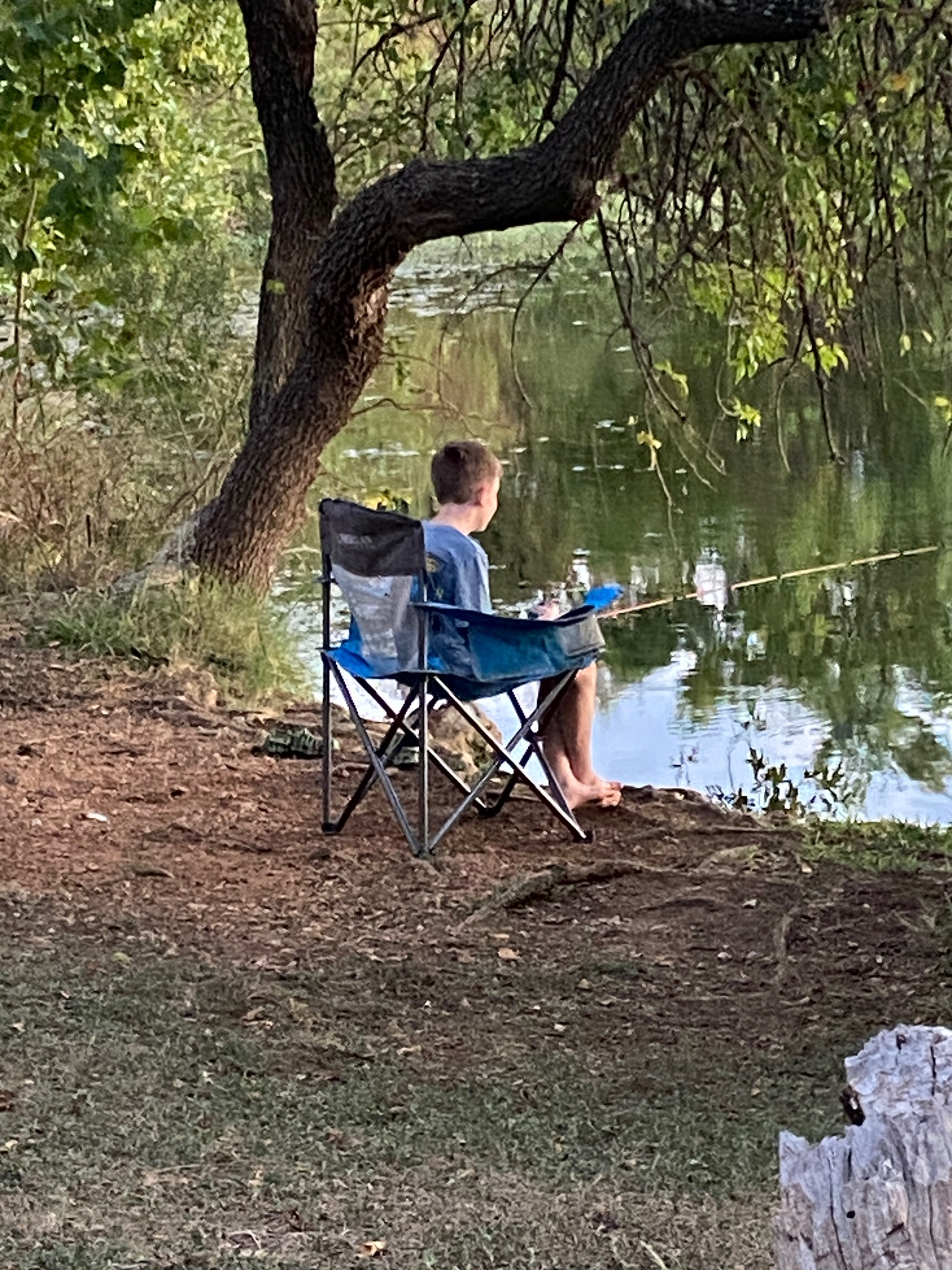
    Bank fishing is license-free, but kayaks and boats require a fishing license unless you remain on shore. I must include that this is the lake that our grandson loves to fish from the bank.

    Inks Lake consistently appears on lists of the best Texas state parks for fishing thanks to its reliable water levels and excellent bass population.

    3. Ray Roberts Lake State Park – Isle du Bois Unit

    Pilot Point, TX – North Texas Gem for Bass & Crappie

    Nearest town: Pilot Point, TX (5 miles)
    Nearest large city: Dallas, TX (55 miles)

    Ray Roberts Lake is known for its clear water, healthy habitat, and incredible bass fisheries. It’s a North Texas hotspot for anglers looking for both quantity and quality.

    Why It’s Great for Fishing

    • Deep, clear water supports big bass
    • Strong crappie population
    • Excellent catfish opportunities near creek channels

    Best Seasonal Fishing

    • Spring: Crappie and bass spawn in shallow coves
    • Summer: Catfish move near the marina and creek channels
    • Fall: Bass school near the surface chasing shad
    • Winter: Crappie stack up around brush piles

    Top 3 Places to Fish

    1. Isle du Bois Fishing Pier – Great action year-round
    2. Johnson Branch Shoreline – Productive for bass
    3. Buck Creek Area – Best for winter crappie

    Bank vs. Boat Policy

    Shoreline fishing remains license-free, but all fishing from a kayak or boat requires a Texas fishing license.

    Ray Roberts continues to rank among the best Texas state parks for fishing thanks to its variety of species and clean, clear water.

    4. Caddo Lake State Park

    Karnack, TX – East Texas’ Mysterious Cypress Lake

    Nearest town: Karnack, TX (3 miles)
    Nearest large city: Shreveport, LA (40 miles)

    Caddo Lake looks like something out of a movie—towering bald cypress trees draped in Spanish moss, calm bayous, and quiet backwaters. It’s one of the most unique freshwater habitats in the United States.

    Why It’s Great for Fishing

    • Has more than 70 species of fish
    • Ideal habitat for largemouth bass
    • Quiet backwaters perfect for kayaking anglers

    Best Seasonal Fishing

    • Spring: Bass spawn in shallow mossy pockets
    • Summer: Catfish and bowfin stay active
    • Fall: Crappie concentrate near submerged timber
    • Winter: Bass move to deeper sloughs but remain catchable

    Top 3 Places to Fish

    1. Saw Mill Pond – Calm, protected waters
    2. Tucker’s Slough – Excellent for bass
    3. Mill Pond Fishing Pier – Easy access and steady bites

    Bank vs. Boat Policy

    Fishing from the shore is license-free. Kayak and boat anglers must carry a Texas fishing license. Caddo Lake’s maze of channels makes it a favorite for quiet paddling and fishing.

    This park earns a top spot among the best Texas state parks for fishing because of its incredible biodiversity and peaceful wilderness feel.

    5. Lake Corpus Christi State Park

    Mathis, TX – South Texas Hotspot for Catfish & Bass

    Nearest town: Mathis, TX (4 miles)
    Nearest large city: Corpus Christi, TX (35 miles)

    Lake Corpus Christi is a heavily stocked, angler-friendly lake with wide stretches of shoreline and beautiful views. It’s perfect for RV campers looking for warm weather, big catches, and great space to spread out.

    Why It’s Great for Fishing

    • Healthy catfish and bass populations
    • Wide open water for kayak anglers
    • Multiple piers and easy shoreline access

    Best Seasonal Fishing

    • Spring: Largemouth bass spawn along shoreline reeds
    • Summer: Catfish remain active day and night
    • Fall: Crappie school around brush piles
    • Winter: White bass stage near deeper areas

    Top 3 Places to Fish

    1. Fish Cleaning Pier Area – Great for catfish
    2. Mesquite Flats – Popular kayak spot
    3. Shoreline near the Day-Use Area – Easy RV access

    Bank vs. Boat Policy

    Shoreline fishing is license-free, while boat and kayak fishing require a Texas license.

    Lake Corpus Christi is consistently ranked among the best Texas state parks for fishing, thanks to its mild South Texas winters and strong fish populations.

    Texas State Park Fishing Policy (Quick Reminder)

    To make this as easy as possible for RV campers:

    • Fishing from the bank inside a Texas State Park is license-free.
    • Fishing from a boat or kayak requires a valid Texas fishing license.
    • All standard fishing regulations (length limits, bag limits, etc.) still apply.
    • Most parks offer fish-cleaning stations and loaner gear.

    This simple rule is one of the biggest reasons people love choosing Texas state parks for fishing—the convenience can’t be beat.

    Why RV Campers Love These Parks

    At all five parks, RV campers enjoy:

    • Spacious campsites
    • Easy water access
    • Quiet mornings on the lake
    • Stunning nature and wildlife
    • Clean facilities and peaceful overnight stays

    Camping at Texas state parks means you get full days on the water, shady afternoons back at your campsite, and starry nights with the sound of crickets and gentle waves nearby.

    These five parks represent the best Texas state parks for fishing because they combine scenic beauty with reliable fishing conditions and RV-friendly layouts.

    For Further Reading check out our “Best of Texas State Parks” page.
  • Best Texas State Parks for Birdwatching

    Best Texas State Parks for Birdwatching

    Did you know that Texas is one of the best birding states in the country? Our state parks make it easy to enjoy world-class birdwatching without special access or private land. From Gulf Coast wetlands to Hill Country rivers, and even the subtropical Rio Grande Valley, the variety of bird habitats makes birdwatching in Texas a special experience.

    Today, we will focus on five of our favorite Texas state parks that stand out for birdwatching. A couple of parks are day-use only, and the others provide camper-friendly access. Each park offers reliable birding year-round. Whether you are new to birdwatching or have years of experience, these parks provide opportunities to enjoy the outdoors. Be sure to bring your binoculars!

    Why Texas State Parks Are Ideal for Birdwatching

    Texas is unique because it sits at the crossroads of major North American bird flyways (kinda like highways for vehicles). Birds moving between Central America, the Gulf Coast, and the interior of the continent funnel through the state during spring and fall migration. Add Texas’s size and habitat diversity, and it’s easy to see why birdwatching is popular.

    The best Texas state parks for birdwatching share several important qualities:

    • Protected habitats with minimal development
    • Clearly marked trails and observation areas
    • Seasonal bird activity that changes throughout the year
    • Nearby camping options that allow early morning and late evening birding

    Brazos Bend State Park

    Nearest town: Needville (about 15 miles)
    Nearest large city: Houston (about 45 miles)

    RV Camping inside the State Park: Yes

    Brazos Bend State Park is one of the most accessible birding destinations in Texas, especially for campers coming from the Houston area. The park protects thousands of acres of wetlands, lakes, and bottomland forests along the Brazos River, creating ideal habitat for water birds and songbirds alike.

    Why it’s great for birdwatching

    Wetlands dominate much of the park, which attracts wading birds, ducks, and shorebirds. The mix of open water, marsh, and forest edges also supports migratory songbirds during spring and fall.

    Best places to watch birds inside the park

    • Elm Lake Loop: A short, flat trail with constant bird activity along the water.
    • 40-Acre Lake: Viewing platforms make it easy to spot herons, egrets, and waterfowl.
    • Pilant Slough Trail: Excellent for woodland species and migrating warblers.

    Birds by season

    • Spring: Warblers, swallows, herons, and egrets
    • Summer: Anhingas, gallinules, nesting wading birds
    • Fall: Shorebirds, ducks, and migrating raptors
    • Winter: Teal, gadwall, sparrows, and hawks

    Camping highlights

    The campground offers spacious sites and easy access to trails. Many campers enjoy morning bird walks before breakfast and evening strolls as birds settle in for the night.

    Bentsen-Rio Grande Valley State Park

    Nearest town: Mission (about 4 miles)
    Nearest large city: McAllen (about 13 miles)

    RV Camping inside the State Park: No, this park is day use only

    Bentsen-Rio Grande Valley State Park is internationally known among birders. Located along the Rio Grande, this park regularly records some of the state’s highest counts of bird species.

    Why it’s great for birdwatching

    This park sits in a subtropical zone, which means you’ll see species here that don’t appear anywhere else in Texas. Raptors are another major highlight, especially during migration.

    Best places to watch birds inside the park

    • Hawk Observation Tower: Prime location for spotting migrating hawks and kites.
    • Rio Grande Trail: A shaded route along the river with frequent bird activity.
    • Bird blinds and feeding stations: Designed to attract colorful species at close range.

    Birds by season

    • Spring: Broad-winged Hawks, Swainson’s Hawks, migrating warblers
    • Summer: Green Jays, Great Kiskadees, Plain Chachalacas
    • Fall: Mixed migrants and river-edge species
    • Winter: High species diversity and occasional rare sightings

    Camping note

    While the park itself focuses on day use, nearby RV parks in Mission and McAllen make it easy to stay close and visit often.

    Estero Llano Grande State Park

    Nearest town: Weslaco (adjacent)
    Nearest large cities: McAllen (about 16 miles), Harlingen (about 20 miles)

    RV Camping inside the State Park: No, day use only

    Estero Llano Grande State Park is part of the World Birding Center network and is considered one of the most reliable birding locations in the Rio Grande Valley.

    Why it’s great for birdwatching

    The park features wetlands, ponds, tropical plantings, and brush habitat. This combination attracts large numbers of both water birds and woodland species.

    Best places to watch birds inside the park

    • Indigo Blind: Excellent for close-up views of songbirds.
    • Alligator Lake Boardwalk: A favorite for ducks, grebes, and wading birds.
    • Night walk areas: Known for sightings of Common Pauraque after sunset.

    Birds by season

    • Spring: Shorebirds, flycatchers, and migrating songbirds
    • Summer: Whistling-ducks, kingfishers, resident tropical species
    • Fall: Southbound migrants across wetlands and trees
    • Winter: Peak season with large numbers of visiting birders

    Camping note

    There is no camping inside the park, but Weslaco and surrounding towns offer several RV parks, making this a convenient base for extended birding trips.

    Goose Island State Park

    Nearest town: Rockport (about 10 miles)
    Nearest large city: Corpus Christi (about 42 miles)

    RV Camping inside the State Park: Yes

    Goose Island State Park is one of the best Texas state parks for birdwatching along the Gulf Coast, especially in winter.

    Why it’s great for birdwatching

    The park sits along protected bays that support huge numbers of waterfowl, shorebirds, and coastal species. It is also closely associated with the wintering habitat of whooping cranes.

    Best places to watch birds inside the park

    • Bayside shoreline: Easy viewing of pelicans, terns, and shorebirds.
    • Fishing pier: Offers views of diving ducks and open-water birds.
    • Oak motts near Big Tree: Excellent during migration for songbirds.

    Birds by season

    • Spring: Migrating songbirds and shorebirds
    • Summer: Nesting waders and coastal species
    • Fall: Mixed migrants and coastal raptors
    • Winter: Whooping cranes (nearby), ducks, geese, gulls

    Camping highlights

    Waterfront campsites allow you to watch birds without leaving your site, especially during early morning and late evening hours. But these sites can be windy, so look at other areas too. Lots of sites have vegetation around them, which attracts birds. It is not uncommon for us to see an assortment of birds near the boat launch and the pier. This is a great place to watch the coastal birds in action.

    South Llano River State Park

    Nearest town: Junction (about 5.5 miles)
    Nearest large city: San Antonio (about 120 miles)

    RV Camping inside the State Park: Yes

    South Llano River State Park is a Hill Country favorite and a standout inland location for birdwatching.

    Why it’s great for birdwatching

    The river corridor, open fields, and wooded areas attract a wide variety of birds. The park is also known for its dedicated bird blinds.

    Best places to watch birds inside the park

    • Bird blinds: Four blinds designed specifically for bird viewing.
    • River bottom trails: Great for flycatchers and kingfishers.
    • Turkey roost area: One of the largest wild turkey roosts in the region.

    Birds by season

    • Spring: Golden-cheeked Warblers, Painted Buntings
    • Summer: Vermilion Flycatchers, sparrows
    • Fall: Mixed sparrows and finches
    • Winter: Wild turkeys and wintering raptors

    Camping highlights

    Electric sites, peaceful river views, and quiet nights make this park especially appealing for longer stays.

    Planning Your Birding Trip

    When visiting Texas state parks for birdwatching, timing matters. Spring and fall migrations offer the highest variety, while winter brings specialty species to coastal and Valley parks. Summer tends to be quieter but still rewarding, especially for resident birds and relaxed camping.

    These five parks provide reliable birding, and the chance to experience very different parts of Texas—all within the state park system. Whether you’re planning a dedicated birding trip or adding birdwatching to a camping weekend, these destinations offer some of the best opportunities in the state to observe, learn, and enjoy birds in their natural habitats.

    For Further Reading check out our “Best of Texas State Parks” page.