Tag: RV meal prep

  • Avoid RV Fridge Disasters: How to Pack It Right Every Time

    Avoid RV Fridge Disasters: How to Pack It Right Every Time

    If you’ve ever opened your RV fridge after a drive only to find broken jars, spilled milk, or something falling at your feet, then you know it’s no joke. Packing your RV fridge isn’t just about keeping food cold—it’s about making your trip smoother, safer, and way less messy.

    These RV packing tips will help you protect your food, maximize space, and avoid chaos on your travel day.

    What Kind of RV Fridge Do You Have?

    Before we delve into packing strategies, it’s important to understand the type of RV refrigerator you’re working with. RV fridges fall into two main categories:

    🔥 Absorption Fridge (Propane/Electric)

    These are common in older or mid-range RVs and cool using heat instead of a compressor.

    • Pre-cool for 12–24 hours before loading food
    • Cool unevenly without added airflow
    • Do not overpack—air circulation is key

    Compressor Fridge (12V or Residential Style)

    These newer fridges are found in luxury RVs or as upgrades.

    • Cools quickly and evenly
    • Better for temperature swings and bumpy roads

    👉 Regardless of the type you have, safe RV food storage ultimately comes down to smart packing, good airflow, and effective temperature control.

    How to Pack An RV Fridge for Travel

    1. Start Cold and Clean

    Get a fresh start before any RV trip:

    • Wipe down fridge surfaces with mild soap and water
    • Turn on the fridge 12–24 hours in advance
    • Use shore power, a generator, or propane to cool it down
    • Target temps: Below 40°F for the fridge, 0°F for the freezer

    2. Use a Fridge Thermometer

    Don’t trust the built-in dial—especially with absorption fridges. A $10 RV fridge thermometer accurately displays the actual temperature inside.

    • Ideal temps:
      • Fridge: 35–38°F
      • Freezer: 0°F or lower

    3. Organizing An RV Fridge

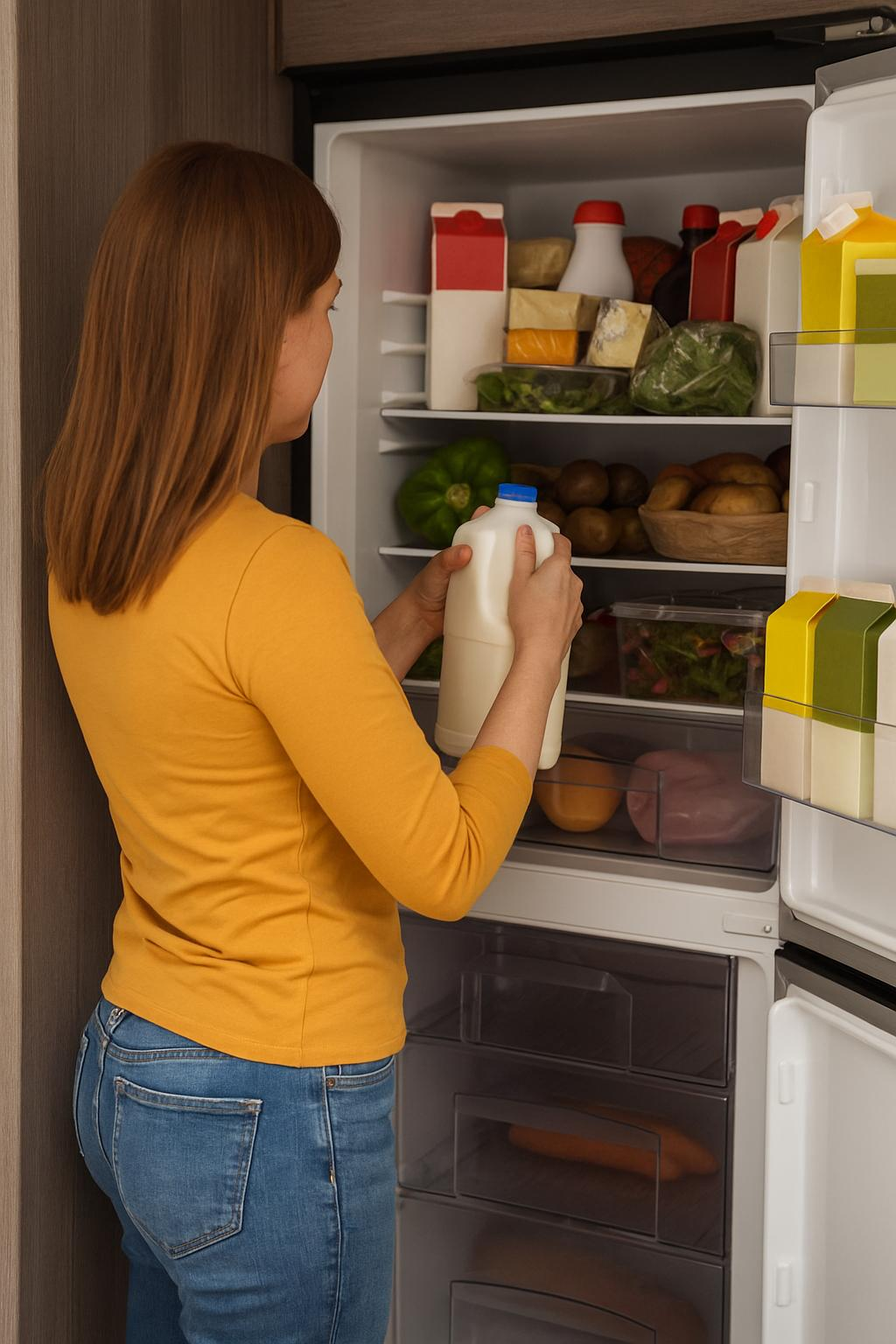
    Storing milk jugs, jars, or raw meat on the bottom shelf helps prevent:

    • Spills from crushed items
    • Cross-contamination from leaks
    • Use the adjustable rods to hold larger items in place. These work well in our fridge.

    👉 Pro Tip: Store raw meat in sealed containers or zipper bags for leak protection.

    4. Allow for Air Circulation

    Absorption-style fridges rely on passive airflow. Overpacking blocks cold air, leading to uneven cooling.

    • Leave space between food items
    • Avoid pushing items directly against the back wall.

    5.Organizing An RV Fridge

    Plastic bins and clear containers make fridge organization easier:

    • Group similar items together
    • Prevent sliding during travel
    • Pull out what you need quickly
    • Label bins: “Breakfast,” “Snacks,” “Dinner Ingredients,” etc.

    👉 Bonus: Use vented, fridge-specific bins to prevent cracking in cold temps.

    6. Pre-Chill Your Groceries

    Adding warm food to a cold RV fridge is a rookie mistake. It forces the refrigerator to work harder and raises the internal temperature.

    • Chill groceries at home before loading
    • Use a cooler and ice packs while prepping

    Especially crucial on hot days or when using an absorption fridge!

    7. Best Containers for RV Fridge

    Glass and bumpy roads don’t always mix well.

    If glass containers are necessary:

    • Wrap in a towel or bubble wrap
    • Nestle between soft items
    • Or transfer contents to reusable plastic containers
    • Using Mason jar-type containers is a good option since they are made of thicker glass and can withstand some bouncing. I prefer using a plastic bin with a shelf liner at the bottom, placing the jars snugly inside or using towels between them for added security.
    • Zip-top bags or plastic containers are your friend

    8. Keeping Your RV Fridge Cold On Travel Days

    Always double-check those door latches before hitting the road. A single pothole can cause a serious food disaster.

    Options that work:

    • Spring rods to keep items in place
    • Built-in latches—push firmly to confirm both fridge and freezer are locked

    9. Best RV Fridge Tip: Use Spill Mats

    Silicone fridge liners help catch drips and spills. They:

    • Keep your fridge cleaner
    • Prevent shifting
    • They are easy to wipe down after a trip

    10. Key To Packing RV Fridge and Freezer

    Balance matters for more than just towing—unevenly packed fridges can cool inefficiently.

    • Don’t overload the freezer while leaving the fridge empty
    • Keep both sections evenly stocked

    👉 Freezer Tip: A full freezer retains cold better—fill empty spaces with ice packs or frozen water bottles.

    11. Plan Meals Before You Pack

    Meal planning isn’t just a time-saver—it’s a packing strategy.

    • Group full meals in labeled bins
    • Freeze proteins not needed in the first 48 hours
    • Flatten freezer bags for easier stacking

    Need help with meal ideas? Check out 10 Easy RV Camping Meal Hacks That Save Time & Sanity.

    12. Know Your Power Setup

    Understanding how your RV fridge is powered is essential:

    • Absorption fridges: Run on propane while driving, or 120V when plugged in
    • Compressor fridges: Require 12V battery power or an inverter

    Dry camping? Monitor your battery bank. And if you lose power mid-trip, keep the fridge doors closed to preserve the temperature.

    Want to explore RV power options? Unlock Quiet Freedom: Add Solar Power to Your RV

    Common RV Fridge Mistakes to Avoid

    ❌ Overstuffing and blocking airflow
    ❌ Putting warm food inside
    ❌ Forgetting to switch power sources
    ❌ Leaving glass jars unsecured
    ❌ Skipping the door latch
    ❌ Letting items slide around freely

    Final Thoughts

    Packing your RV fridge the right way isn’t just about food—it’s about peace of mind.

    With a bit of prep and the right tools, you can prevent spills, preserve your food, and enjoy travel day without fridge-related chaos. These RV fridge organization hacks work for every kind of camper—whether you’re heading out for the weekend or boondocking for a week.
  • 10 Easy RV Camping Meal Hacks That Make Life Easier

    10 Easy RV Camping Meal Hacks That Make Life Easier

    RV weekend trips are all about making memories—not spending half your time cooking or stressing over forgotten ingredients. If you’ve ever pulled into a campsite only to realize you left the syrup, or worse—the hot dogs—you’re not alone.

    Over the years, we’ve picked up some clever camping food hacks that save time, reduce stress, and help you serve up simple but satisfying meals. Whether you’re camping with grandkids, friends, or just the two of you, these RV camping meal hacks will help you plan smarter, pack better, and enjoy every bite under the stars.

    1. Pre-Cook Meals at Home for Faster RV Food Prep

    Before any trip, we spend about an hour pre-cooking basics like taco meat, spaghetti sauce, or casseroles. It’s not gourmet prep—it’s just getting ahead. I usually put the premade food in labeled zip-top freezer bags. Once we arrive at the site, everything reheats fast on the Blackstone™ griddle, RV stovetop, or microwave. If you’d like even more ideas for prepping in advance, check out our full guide on making meals ahead of time for RV camping.

    Not dealing with raw meat at the campsite is a huge bonus. No worrying about cross-contamination, and the kids don’t have to wait forever for dinner.

    2. Use a Camping Meal Planning Checklist

    In our early days, we often forgot the most basic things—like butter or syrup. We now use a meal planning checklist to write down each meal, snack, and ingredient. It may feel excessive to list ‘salt,’ but missing that one item can be annoying at a remote park.


    We keep a few favorite meal lists so we can reuse them. If you camp often, this becomes a significant time-saver. However, remember that you must use the list once you have created it. I get in a hurry sometimes and think that since I have made this camping meal a zillion times, I know what I need to bring…. I forgot to bring butter and pancake syrup on a trip with our grandkids; they were very disappointed. However, the Jellystone Park store had both, so our breakfast was saved.

    3. Save Space in the RV Fridge with Flat-Pack Meals

    RV fridges aren’t made for bulky plastic dishes. We store sauces, marinades, and leftovers in freezer bags—flattened and stacked like books. It maximizes cold storage and speeds up thawing. Use Freezer bags, as they are thicker and have a reliable seal, compared to storage bags. For more information on packing your RV Fridge, see our guide on how to “Avoid RV Fridge Disasters”.

    If you plan to camp for longer than a weekend, freeze any meals that will not be eaten within 48 hours. Keep food balanced between the freezer and fridge whenever possible. See my big goof-up in our 4th of July post about not freezing meals.

    4. Build-Your-Own Meals for Easy Camp Cooking

    We love taco bars, burger nights, and any meal where everyone customizes their plate. It’s easier for picky eaters and fun for the grandkids to assemble their food how they want. Everyone gets creative, and we get a break from everyone having the same food on their plate, even if they are not a fan.

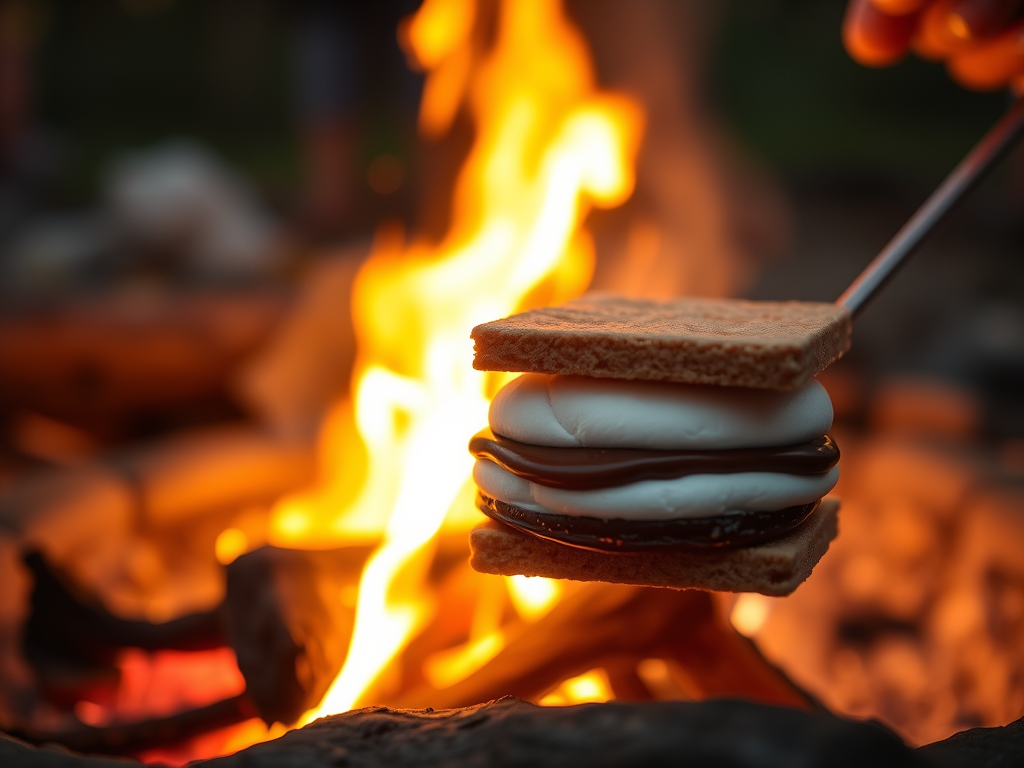
    We do this with dessert too—DIY s’mores kits, banana boats, and campfire cones.

    5. Make Campfire Eggs in Foil Muffin Tins

    These are a simple Sunday breakfast. Crack eggs into a foil muffin tray, add your desired toppings (such as cheese, ham, or bell peppers), and bake in your RV oven, convection oven, or over the grill.

    Let each person prep their muffin tin. When they’re done, cleanup is as easy as tossing the foil.

    6. Prep Mason Jar Breakfasts for Easy RV Mornings

    You can prep these in Mason jars for overnight oats and yogurt parfaits before your trip. They store well in the RV fridge and are perfect for early mornings—especially if you need a quick bite like those in our Easy Camping Breakfast Recipes. For more ideas on how to make the most of jars while camping, take a look at our Mason Jar Camping Hacks, which covers both recipes and clever storage tips.


    7. Create a Grab-and-Go Snack Basket

    I recently learned about this idea while on a camping trip. I can’t believe this idea never occurred to me! Keep a small basket near the RV door with granola bars, trail mix, fruit pouches, and crackers. Makes for an easy grab-and-go when it is by the door.

    It’s especially helpful on hike days or when the grandkids or adults get ‘hangry’ between meals. No fuss, no whining.

    8. Easy Foil Packet Dinners (aka Hobo Meals)

    Foil packet meals are the ultimate camping hack. Layer sliced veggies (potatoes, onions, zucchini) and your choice of meat (sausage, chicken breast, burger patty) on heavy-duty foil, seal it, and cook over coals.

    Most kids love making their packets. Add some seasoning, a dab of butter, and about 25–30 minutes later, dinner is done. Cleanup = throw away the foil.

    9. Rotate a Few Master RV Meal Plans

    Instead of making a new menu every time, we rotate between 2–3 weekend plans. It makes grocery shopping and packing so much easier.

    Here’s one of our go-to weekend menus:
    – Friday Dinner: Pre-cooked spaghetti & bread
    – Saturday Breakfast: Pancakes, bacon, eggs
    – Saturday Lunch: Sandwiches & chips
    – Saturday Dinner: Grilled steak & veggies
    – Sunday Breakfast: Breakfast tacos

    To make it easy, I write the day of the week and the menu for that day on a sticky note. I stick each day’s sticky note to a wall in the kitchen. No matter who is cooking, they know the plan.

    10. Don’t Skip the Campfire Treats (Like Campfire Cones!)

    Campfire cones are hands-down our grandkids’ favorite treat. We use flat-bottom cones and let them fill them with marshmallows, chocolate chips, M&Ms, peanut butter chips, broken cookies—you name it.

    Wrap in foil and heat over low campfire coals for 5–7 minutes. The cones toast, and the insides melt into a gooey, magical treat. Be sure to turn them often—they burn fast!

    Final Thoughts: Less Cooking, More Campfire Memories

    Whether you’re a new RV family or a seasoned weekend warrior, these easy RV camping meal hacks help you stress less and enjoy more.

    You don’t need to be a gourmet chef to eat well while camping. It’s all about thoughtful planning and keeping things fun. Every meal doesn’t need to be Pinterest-worthy…enjoy the time spent outdoors.