
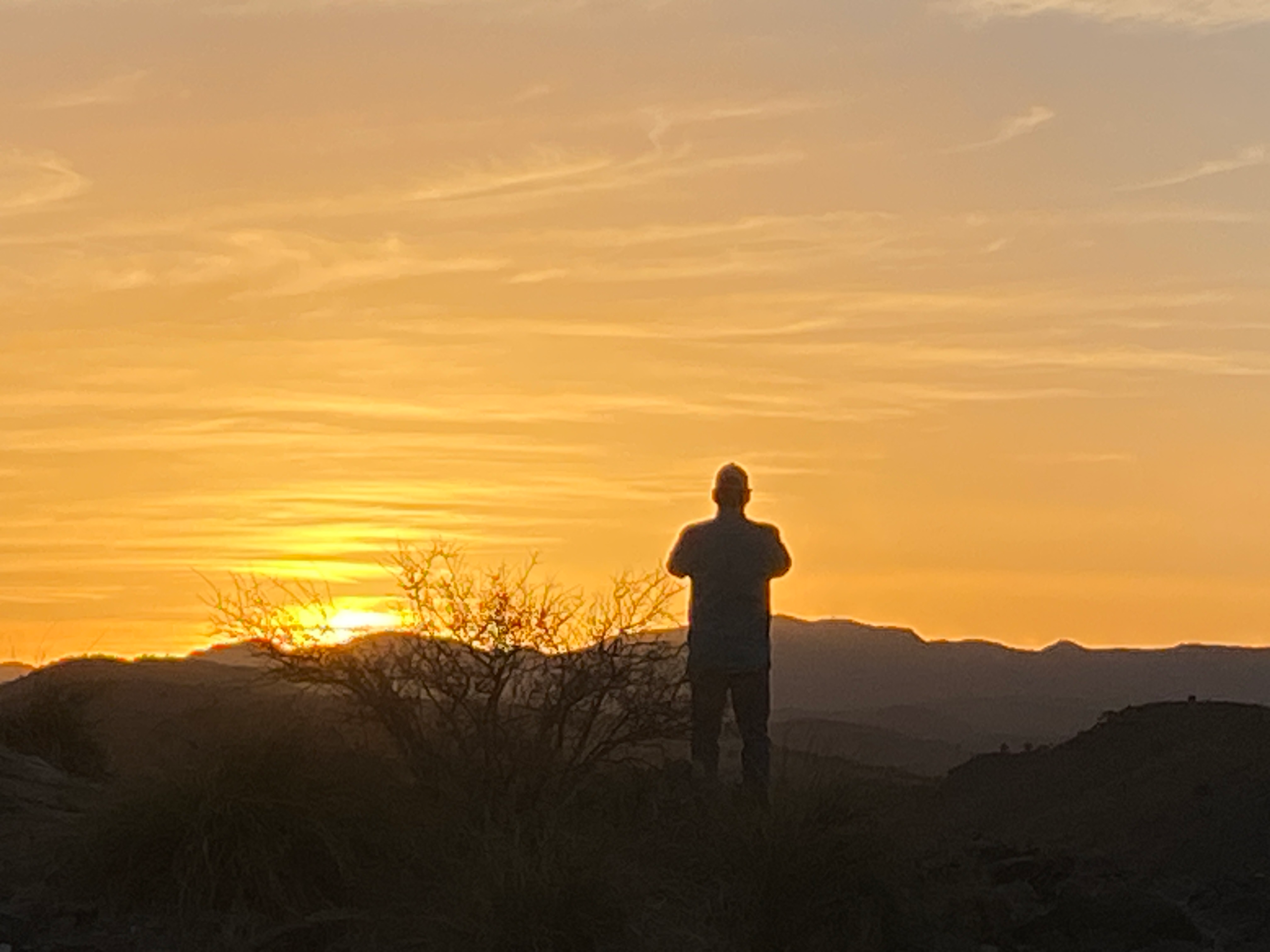
Are You a Planner or a Wanderer?
There’s a moment on every RV trip when it becomes clear who you really are.
It might happen at the campground check-in desk. Or at 8:00 a.m., when one person is lacing up hiking boots with a printed trail map in hand, while the other is still sipping coffee, saying, “Let’s just see how the day unfolds.”
When it comes to RV trip planning, RV campers tend to fall into distinct personality styles. And the funny thing? Most of us don’t even realize we have a “type” until we travel with someone completely opposite.
So let’s talk about it. Are you the camper who plans every detail… or the one who wings it? And is one better than the other?
Spoiler alert: not at all. But understanding your style can absolutely make your trips smoother, more fun, and less stressful.
The Structured Explorer: “I Booked This Three Months Ago”
The Structured Explorer doesn’t just arrive at a destination. They arrive prepared.
They’ve researched the top trails. They know which ranger-led programs fill up first. They have screenshots of park maps, restaurant menus, and backup plans in case the weather shifts. If there’s a guided kayaking tour, they’ve already secured a spot. If a historic site requires timed entry, they’ve got it locked in.
This camper views RV trip planning as part of the fun. The anticipation builds excitement. There’s something deeply satisfying about pulling into a park knowing exactly what tomorrow holds.
You’ll often find them at national and state parks that offer robust programming. Places like Yosemite National Park, Grand Canyon National Park, or Acadia National Park reward planners because popular hikes, shuttle systems, and tours can require reservations.
For this personality type, RV trip planning provides structure. It prevents wasted time. It ensures the “must-see” moments don’t slip through the cracks. And honestly? It reduces anxiety.
Because nothing stresses out a Structured Explorer more than arriving somewhere incredible and realizing they missed something iconic simply because they didn’t look ahead.
If this is you, you probably love checklists. You may even build a loose itinerary for each day. Morning hike. Afternoon scenic drive. Evening ranger talk. You go to bed feeling accomplished.
And you know what? That’s a beautiful thing.
The Free-Range Wanderer: “We’ll Figure It Out”
Now let’s talk about the other side of the picnic table.
The Free-Range Wanderer arrives with curiosity instead of a schedule. They might have glanced at the park website, but they prefer discovering things organically. They wake up slowly. They step outside. They notice which trail looks inviting or which direction the breeze feels best. Maybe they chat with a neighbor who mentions a hidden overlook. Maybe they decide to skip hiking entirely and read a book under the awning. To them, RV trip planning can feel restrictive. Too many reservations create pressure. Too many scheduled tours feel like being back at work.
This personality thrives in places where exploration is flexible. Parks with multiple trails, open-access lakes, scenic drives, and quiet corners. They enjoy stumbling onto beauty rather than chasing it.
And here’s the secret: this type often notices things planners miss.
They aren’t rushing from one reserved time slot to another. They linger. They watch wildlife. They talk to locals. Their stories tend to include phrases like, “We weren’t even planning on stopping there…”
There’s freedom in that.
The Hybrid Camper: “Plan the Big Stuff, Float the Rest”
Most RVers, if we’re honest, land somewhere in the middle.
The Hybrid Camper believes in activity planning… but selectively. They reserve the can’t-miss experiences and leave space around them. For example, they might secure a guided cave tour or a timed boat excursion, but leave afternoons open. They’ll plan one anchor activity per day and allow the rest to unfold naturally.
This style often works beautifully for couples where one person leans structured, and the other leans spontaneous. It gives enough predictability to feel organized without suffocating the trip with rigidity.
And in real life? This might be the sweet spot. Because RV trip planning is not about control, it’s about maximizing enjoyment.
Why This Actually Matters
You might be thinking, “Does this really need a category?”
Yes. It does.
RV trip planning styles affect trip satisfaction more than most people realize. When two travelers have different planning personalities and never talk about it, frustration creeps in. The planner feels anxious when nothing is scheduled. The wanderer feels pressured when the day looks packed. Neither is wrong. They’re just wired differently.
Understanding your personality type helps you communicate expectations before you hit the road. It also shapes which destinations suit you best. Highly regulated parks with limited access windows? Probably better for planners. Wide-open state parks with flexible exploration? Wanderers thrive there.
Even how you pack can reflect your style. Planners often bring specific gear for scheduled activities. Wanderers bring versatile basics and adapt on the fly.
The Over-Planner (A Gentle Warning)
There is, however, a fourth category worth mentioning.
The Over-Planner.
This camper means well. Truly. But they may accidentally schedule the joy right out of the trip. If every hour is spoken for, there’s no breathing room. If a trail runs long or the weather shifts, stress replaces spontaneity.
RV trip planning works best when it leaves space for real life. Flat tires happen. Trails close. Coffee runs long. And sometimes the best memories happen in the gaps. If your itinerary starts looking like a corporate conference schedule, it might be time to loosen the grip just a bit.
The Chronic Winger (Also a Gentle Warning)
On the flip side, there’s the Chronic Winger.
This is the camper who refuses to research anything and then feels disappointed when popular attractions are fully booked. Some experiences truly do require advance planning. Shuttle passes, guided tours, seasonal events, and even certain hiking permits can sell out.
Complete spontaneity can backfire in high-demand destinations. A little light activity planning—even just identifying top priorities—can prevent the “I wish we had known” regret.
How to Identify Your Type
Ask yourself a few honest questions.
Do you enjoy building a loose itinerary before a trip? Or does that feel like homework? Do reservations calm you down or make you feel boxed in? When plans change unexpectedly, do you feel unsettled—or excited?
Your answers tell the story.
There is no superior personality type here. RV travel is about freedom. But freedom looks different to different people. For some, freedom means knowing everything is secured. For others, freedom means having nothing pinned down.
Finding Balance on the Road
If you travel solo, lean into your style. Embrace it fully. Let activity planning serve you, not control you. If you travel with others, have the conversation early. Decide together what kind of experience you want this trip to be.
Maybe one day is structured. The next is open. Maybe mornings are scheduled and afternoons are flexible. Or maybe you alternate who “leads” the day.
The beauty of RV travel is that it allows you to customize not just your destination—but your rhythm.
The Bigger Picture
At its core, this isn’t just about hiking reservations or ranger programs. It’s about understanding how you approach life. Are you energized by structure? Or by possibility? RV trip planning simply reveals those tendencies in a very visible way.
And once you recognize your pattern, you can plan trips that align with it instead of fighting it because the goal is not to hike every trail or attend every program, or check every box.
The goal is to come home feeling restored. If planning restores you, plan away. If wandering restores you, wander boldly. And if you’re somewhere in between, that’s probably exactly where you’re meant to be. So next time you’re sitting outside your RV with coffee in hand, ask yourself: did today feel right? That answer matters far more than whether you had a reservation.
Leave a Reply