
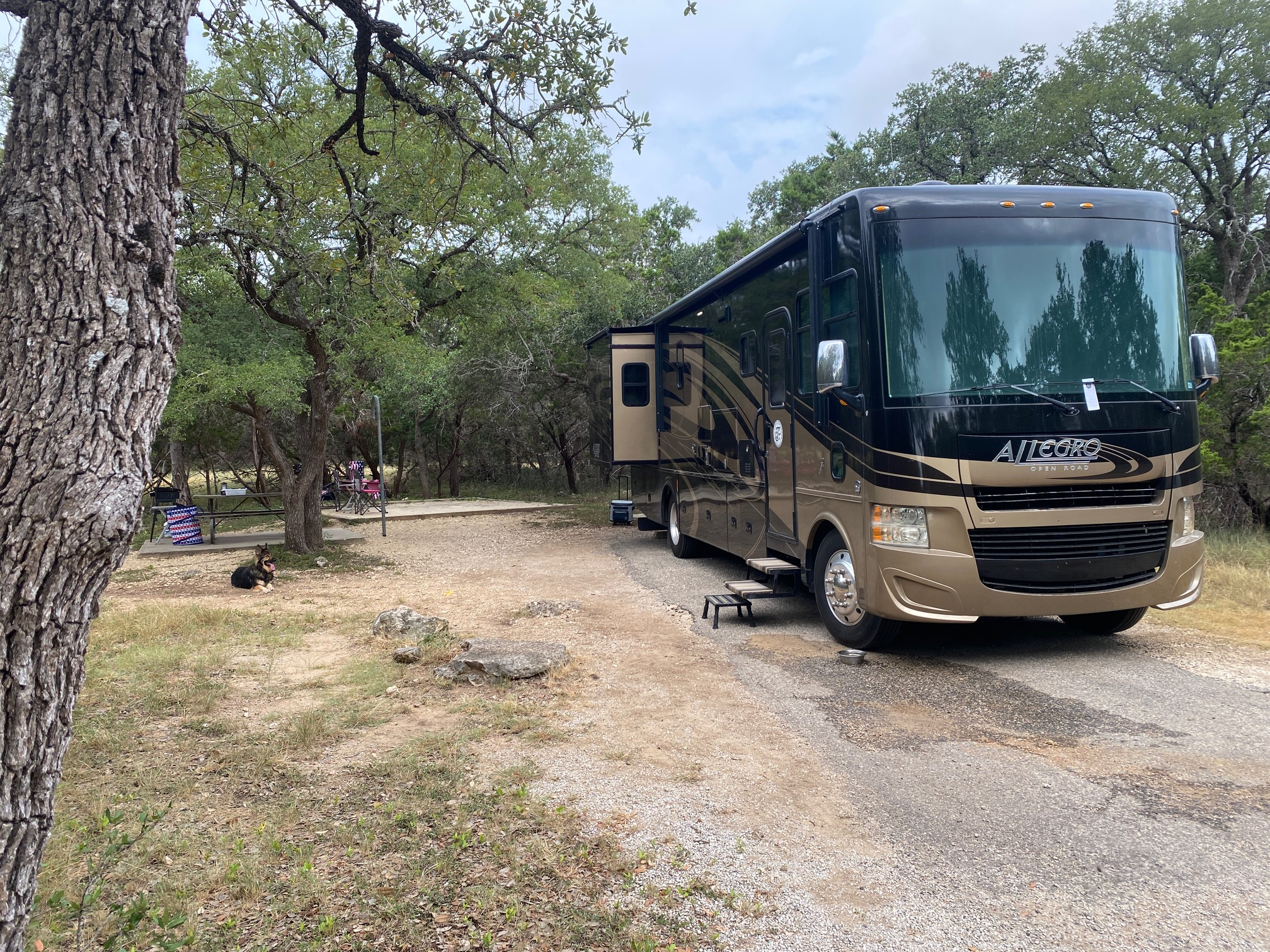
Campground Arrival Etiquette Starts Before You Park
One thing we have noticed over the years of RV camping is that campground arrival etiquette affects the overall campground atmosphere more than many campers realize. Whether someone is staying at a Texas State Park, a private RV park, or a large RV resort, the arrival sets the tone for the entire camping experience.
Most campers are excited when they arrive. People are ready to relax, start dinner, head to the lake, or finally settle in after a long drive. But campground arrivals can also create some of the busiest moments in a campground, especially during weekends and holidays.
That is why campground arrival etiquette matters.
Most experienced campers are not expecting perfection from other campers. Everyone was new once. Backing into RV sites can be stressful, campground roads can feel narrow, and setup does not always go smoothly the first time. Campers generally understand that.
What most campers do appreciate, though, is when people try to arrive respectfully and stay aware of the campers around them. Campground arrival etiquette is really about sharing space calmly and respectfully while everyone is trying to enjoy their trip.
Etiquette Helps Keep Campgrounds Relaxing
One thing newer campers sometimes don’t realize is how quickly campground energy changes depending on arrival behavior. A calm arrival at a campground usually keeps the atmosphere relaxed. A rushed or chaotic arrival tends to create stress for nearby campers, too, especially in campgrounds where RV sites are close together.
Most campers understand there will be some noise during arrivals. Engines run, leveling systems operate, doors open and close, and people communicate while backing into sites. That is completely normal campground activity.
Campground arrival etiquette is not about eliminating all arrival noise. It is simply about minimizing unnecessary disruption when possible.
We have noticed that experienced campers often naturally become more efficient during campground arrivals over time. They prepare paperwork ahead of check-in, organize gear before reaching the campground, and think through setup before pulling into the site. Those small habits make campground arrivals smoother for everybody nearby.
Daytime Campground Arrival Still Matters
Many campers focus only on nighttime campground arrival etiquette, but daytime arrivals matter too.
During busy weekends, campgrounds can become crowded quickly. Campers may be arriving, departing, walking dogs, riding bikes, or helping children around campsites all at the same time.
That is why campground arrival etiquette during the day includes staying aware of campground traffic and respecting shared campground spaces.
Simple habits make a big difference: avoid blocking campground roads longer than necessary, have reservation information ready during check-in, follow campground speed limits carefully, watch for pedestrians, bikes, and pets, and avoid walking directly through occupied campsites.
We have noticed that campground roads often feel smaller once RVs are parked everywhere. Large rigs, tow vehicles, golf carts, and parked trucks can make campground navigation tighter than expected. Patience becomes part of campground arrival etiquette.
Sometimes campers need extra attempts backing into a site. Most experienced campers understand this because nearly everyone has struggled with backing at some point. A little patience helps keep campground arrivals calmer for everybody involved.
Campground Etiquette Includes Respecting Campground Staff
Campground staff and campground hosts are managing dozens or even hundreds of arrivals during busy weekends. Following campground procedures respectfully helps everything move more smoothly for both campers and staff.
Campground arrival etiquette includes: respecting official check-in times, listening to campground staff instructions, following escort vehicles when provided, asking questions politely if site layouts are confusing, and understanding that campground staff are balancing many arrivals at once.
Many campgrounds have arrival systems designed specifically to reduce traffic congestion and confusion. Even when campers feel eager to reach their campsite quickly, following campground procedures usually makes the process easier in the long run.
One thing we appreciate about experienced campground hosts is that they often know exactly where challenges may happen inside the campground. Listening to their guidance can prevent a lot of frustration during setup.
Nighttime Campground Arrival Etiquette
Nighttime campground arrival is where campground courtesy becomes especially important. Sometimes, late arrivals cannot be avoided. Traffic delays happen, weather changes travel plans, and long driving days occasionally push arrivals later than expected. Most campers understand that. What matters most is how those nighttime arrivals are handled.
One thing we try to do whenever possible is arrive before dark. RV setup is simply easier during daylight hours, especially in unfamiliar campgrounds. But when nighttime arrivals happen, campground arrival etiquette becomes even more important because many nearby campers may already be asleep. At night, sound and light carry much farther through campgrounds than people often realize.
That is why experienced campers often try to: keep voices lower during setup, avoid unnecessary door slamming, use minimal lighting when possible, limit repeated vehicle repositioning, finish only essential setup items after quiet hours, and save nonessential setup for the next morning.
Most campers are not expecting silent arrivals. Campers understand people still need to park safely, connect utilities, and get settled into their site. Campground arrival etiquette simply means trying to reduce unnecessary disturbance while others nearby are resting.
Bright Lights and Noise Affect Nearby Campers
One part of campground arrival etiquette that newer campers sometimes overlook is how bright headlights and loud setup activity affect nearby campsites at night. RV campsites are much closer together than many people expect. Headlights shining directly into neighboring RV windows can wake sleeping campers quickly. Loud conversations during backing instructions can echo across multiple campsites late at night. Repeated truck repositioning or unloading large amounts of gear after quiet hours can also carry farther than intended.
These are small campground arrival etiquette habits, but they help preserve the peaceful campground atmosphere many campers came to enjoy.
Arrival Etiquette Makes Camping Better for Everyone
One thing we appreciate about RV camping is that most campers genuinely try to be considerate neighbors. Campground arrival etiquette is really just part of that shared campground courtesy. Nobody expects every arrival to go perfectly. Campers get tired after long drives. Backing into sites can take extra attempts. Setup mistakes happen. Most experienced campers understand all of that.
What people usually remember most is whether nearby campers seemed respectful of the campground environment around them. Taking a few extra moments to arrive calmly, lower noise levels at night, follow campground procedures, and think about nearby campers helps create a much better experience for everybody sharing the campground.
Honestly, many campground etiquette habits simply develop naturally over time as campers gain more experience. For beginner campers, understanding campground arrival etiquette early can make camping feel less stressful while also helping maintain the peaceful atmosphere most campers hope to enjoy during their trip.
Next week in our campground etiquette series, we will talk about campground lighting etiquette and why thoughtful campsite lighting helps keep campgrounds more peaceful and comfortable for everyone nearby after dark.