
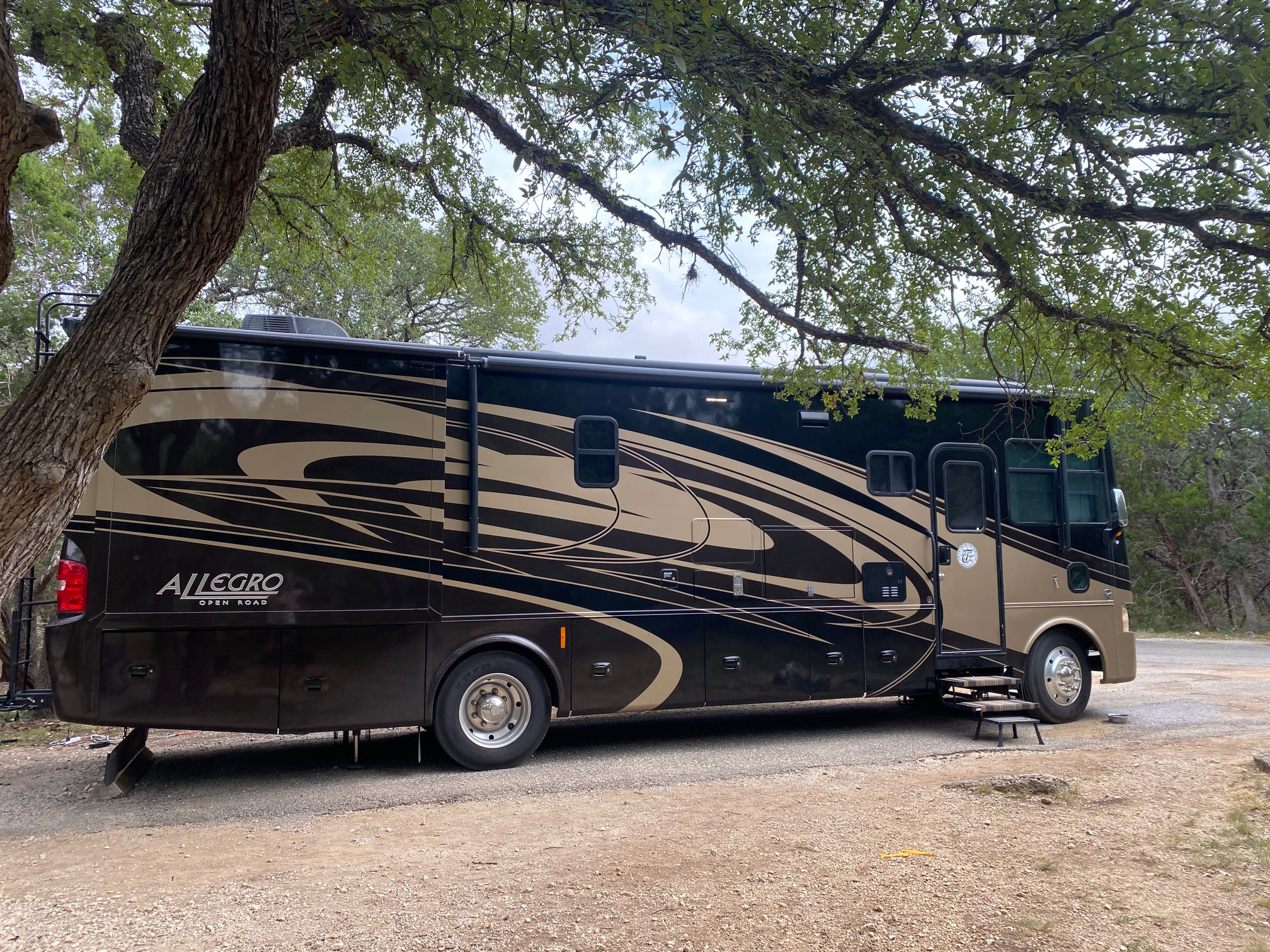
Leaving a campsite sounds simple. After all, you just pack up and drive away, right?
Not exactly.
Many RV owners spend a lot of time learning how to arrive at a campsite, but far fewer think about developing a departure routine. The excitement of heading home, the pressure of checkout times, and the desire to get on the road can cause people to rush through the process.
That is often when mistakes happen.
Forgotten power cords, open compartment doors, unsecured items inside the RV, and equipment left behind are all common problems that can turn a good trip into a frustrating ending. Learning how to leave an RV campsite is less about following a perfect checklist and more about creating a routine that works for your RV and your camping style.
Why a Departure Routine Matters
The best departure routines help prevent mistakes. When you follow the same general process each time you camp, important tasks become habits instead of things you have to remember.
This is especially helpful for weekend campers. Many of us spend Friday evening setting up camp and Sunday morning preparing to leave. It is easy to become distracted by breakfast, conversations with neighbors, children, pets, or simply wanting to get on the road.
A routine helps keep everything moving smoothly. More importantly, it helps ensure that your campsite, RV, and equipment are ready for travel.
How to Leave an RV Campsite Starts Before Departure
One thing many new RV owners discover is that departure often begins before departure day. Some campers start packing the night before. Outdoor decorations may be put away, supplies organized, and unnecessary items returned to storage. Others prefer to enjoy every minute of the trip and handle everything the next morning.
Neither approach is wrong.
For us, departure morning usually starts with coffee and breakfast. There is no sense rushing if we do not need to. In fact, some items, such as a Blackstone griddle, need time to cool before they can be safely packed away. The goal is not to see how quickly you can leave. The goal is to leave safely and avoid forgetting something important.
Start Packing the Inside
Our departure routine begins inside the RV. One reason is practical. On our motorhome, the utility connections are located beneath the bedroom slide. Before the sewer hose can be disconnected, the bedroom slide needs to come in. That means the bedroom gets packed first.
Loose items are secured, anything needed for travel is put away, and the slide is retracted. As we continue packing the inside, we also check items that could be damaged during travel. The refrigerator latch is verified. Cabinet doors are checked. The shower door is secured.
That last item deserves special attention. Many RV owners have heard stories about shower doors swinging open while traveling and damaging the glass. A quick check before departure takes only a few seconds and can prevent an expensive repair.
As you learn how to leave an RV campsite, you will quickly discover that securing the interior is just as important as disconnecting the utilities outside.
Disconnect Sewer First
Once the bedroom slide is in and the utility area is accessible, we begin working on the sewer connection. For us, this happens before disconnecting water or power.
The reason is simple. We use a black tank flush system and prefer to thoroughly rinse the black tank before leaving the campsite. While the black tank is flushing, the rest of the packing process continues. This is one of the reasons departure routines vary from one camper to another. Someone without a tank flush system may follow a completely different sequence.
The important thing is understanding what works best for your RV and your equipment. If you are unfamiliar with the dumping process, our article on connecting and disconnecting RV sewer hoses provides additional information.
Continue Packing the Outside
While sewer tasks are being completed, outdoor gear is packed away. Chairs are folded and stored. Outdoor mats are cleaned and rolled up. Cooking equipment is put away after it has cooled. Many campers divide responsibilities during this stage. One person handles outside tasks while another secures the inside of the RV.
That teamwork makes the process more efficient and helps ensure nothing gets overlooked. By the time the outdoor area is packed, the campsite should begin looking much the same as it did when you arrived.
Disconnect Water and Power
In our routine, water and power are disconnected near the end of the process. Living in Texas has a lot to do with that decision. Keeping power connected allows the air conditioner to continue running while we finish packing. During the summer months, that can make a significant difference in comfort. Water also remains available until the final stages of departure.
Once everything else is ready, the water hose is disconnected, drained, and stored. The power cord is disconnected and put away last. There is no universal rule for the order of utility disconnections. Many RV owners develop routines based on their climate, travel style, and RV layout.
The important thing is having a system and following it consistently.
Be Ready for the Dump Station
Not every campground offers full hookups. When a dump station is part of the departure process, a little preparation can save time and reduce stress. Before leaving the campsite, we make sure everything needed for dumping is ready and accessible. This is not only convenient for us but also courteous to other campers waiting their turn. Dump station etiquette is a thing; read how to not be THAT person.
Having hoses, gloves, and supplies organized before arriving at the dump station helps keep the process moving efficiently.
There Is No Perfect Departure Routine
One of the biggest mistakes new RV owners make is assuming there is only one correct way to leave a campsite. There isn’t.
We regularly camp with a group of four RVs, and every one of us has a slightly different departure routine. Some campers pack outdoor items the night before. Others wait until morning. Some RVs become difficult to move around inside once the slides are retracted. Those owners often secure certain items before bringing slides in. Other RVs remain fully accessible with slides closed, allowing greater flexibility.
Our previous Class C motorhome had a large slide on the driver’s side, but it only extended a short distance. Utility access was much easier than it is with our current motorhome. RV design influences departure routines. Camping style influences departure routines.
Personal preference influences departure routines.
The goal is not to copy someone else’s system. The goal is to develop a repeatable process that works for your RV and helps prevent mistakes.
Do a Final Walk-Around
The final walk-around may be the most important part of learning how to leave an RV campsite.
This is your opportunity to catch anything that may have been overlooked. Compartment doors should be closed and locked. Utility connections should be removed and properly stored. We also take this opportunity to look for anything unusual around the RV.
Sometimes that means spotting a forgotten item. Other times it simply means confirming that everything appears ready for travel. For campers traveling with dogs, this is also a good time to do one final sweep of the campsite. We always walk the grass area to make sure any pet waste has been picked up before leaving. The last trash bag is removed and taken to the dumpster on the way out.
A good walk-around helps ensure the campsite is left clean and the RV is ready for the road.
Leave the Campsite Better Than You Found It
One of the easiest ways to be a good camping neighbor is to leave a clean campsite behind. Pick up any remaining trash. Check for forgotten items. Make sure pet waste has been removed. A few extra minutes of cleanup helps preserve the campground experience for the next camper. It is a small gesture, but it reflects the kind of camping community most of us appreciate.
Final Thoughts
Learning how to leave an RV campsite is not about finding the perfect departure checklist. It is about creating a routine that works for your RV, your travel style, and your camping habits.
Some campers pack the night before. Others handle everything on departure morning. Some disconnect utilities early. Others wait until the last possible moment. What matters most is consistency.
A repeatable routine helps prevent mistakes, protects your RV, and makes departure day less stressful. Over time, you will develop a system that fits your RV and your camping style. Once that happens, leaving the campsite becomes just another comfortable part of the adventure.
For information about arriving at your campsite, read these guides for suggestions and hacks: