
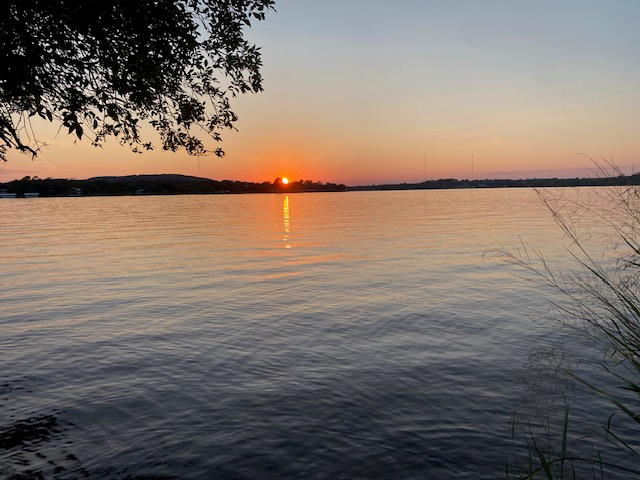
There is something wrong with sweating through your morning coffee.
Yet that is exactly what happens during Texas summer camping if you wait too long to start your day. You step outside with a fresh cup of coffee, look at the clock, and realize it is only 7:30 in the morning. The sun is already climbing, the humidity is settling in along the coast, and the comfortable part of the day is disappearing faster than you expected.
Many campers arrive expecting summer camping to follow the same rhythm as spring or fall. They sleep late, plan activities for the middle of the day, and spend hours outside exploring. Then the Texas heat reminds them that summer plays by different rules.
The good news is that experienced campers are not necessarily tougher than everyone else. They have simply learned to adjust their expectations and structure their days around the weather. Once you understand that rhythm, Texas summer camping becomes much more enjoyable.
Why Texas Summer Camping Feels Different
One of the biggest mistakes campers make is assuming summer camping will feel similar across the state. Texas heat is not the same everywhere. Along the Gulf Coast, high humidity can make even early mornings feel warm. In the Hill Country, temperatures often climb quickly after sunrise. In East Texas, humidity combines with shade to create a heavy, sticky feeling. Out in West Texas and the Panhandle, the air may be drier, but the sun can feel relentless during the afternoon.
No matter where you camp, the common factor is that the hottest part of the day often arrives sooner than many visitors expect. This is especially true for campers traveling from cooler regions of Texas or from out of state. A summer day that feels manageable at home may feel completely different at a campground several hours away.
That is why adjusting your expectations is just as important as adjusting your schedule. If you expect to spend all day outdoors the way you might during spring camping, there is a good chance you will spend part of your trip feeling uncomfortable and frustrated.
Why Experienced Campers Wake Up Early
Walk through a campground shortly after sunrise and you will notice something interesting. People are walking dogs, riding bicycles, making breakfast, enjoying coffee, and heading out for morning activities. Campground roads are active, picnic tables are occupied, and many campers have already been awake for hours. Fast forward to early afternoon and the campground often feels almost deserted. The reason is simple. Experienced campers know that the coolest and most comfortable hours of the day happen early.
During Texas summer camping, the period between sunrise and late morning is often the best time for hiking, sightseeing, birdwatching, exploring, and other outdoor activities. Temperatures are lower, the sun is less intense, and many people simply feel more comfortable being active.
This does not mean every camper needs to wake up before dawn. The goal is not to follow someone else’s schedule. The goal is to recognize that summer rewards early activity. The later you wait to begin your day, the less time you have before the heat starts affecting your plans.
Adjust Your Plans, Not Just Your Alarm Clock
Waking up early is only part of the equation. Successful Texas summer camping often involves planning activities around the weather rather than trying to force the weather to cooperate with your plans. For example, a family planning to spend most of the afternoon swimming at the lake may not need to be on the trail at sunrise. Their activities naturally fit the warmer part of the day.
On the other hand, campers hoping to hike several miles, photograph wildlife, explore historic sites, or spend hours outside may benefit greatly from an earlier start. The key is matching your schedule to your goals. Many camping frustrations happen when people try to fit spring or fall activities into the hottest hours of a Texas summer day. A little planning often makes the experience much more enjoyable.
The Afternoon Pause Is Not Cheating
Some campers feel guilty when they retreat inside the RV during the afternoon. They imagine they should be outside enjoying every minute of their trip.The reality is that many experienced Texas campers intentionally build downtime into their schedules. After a morning of activities, it is common to return to the RV for lunch, relax in the air conditioning, read a book, watch a movie, take a nap, or simply recharge for the evening.
This is not wasted camping time.
In many ways, it is one of the smartest strategies for Texas summer camping. Instead of exhausting yourself during the hottest hours of the day, you conserve energy and return outside when temperatures begin to fall. Campgrounds often become active again in the evening as families cook dinner, walk around the park, and enjoy the sunset.
Summer camping has its own rhythm. Fighting that rhythm usually leads to discomfort. Working with it often leads to a much better trip.
Why Wildlife Activity Changes in Summer
Many campers notice fewer wildlife sightings during the hottest part of the day and wonder if they are imagining things.
They are not.
Just like people, many animals adjust their activity patterns during periods of extreme heat. Birds are often more active around sunrise. Deer frequently move during the cooler hours of morning and evening. Many animals spend the hottest portion of the day seeking shade, conserving energy, and avoiding unnecessary movement.
This does not mean wildlife disappears completely. It simply means your chances of spotting animals are often better during the cooler parts of the day. If wildlife viewing is one of your goals, planning activities around those cooler periods can significantly improve the experience.
Why RVs Feel Hotter Than You Expect
Another surprise for many campers is how quickly an RV can warm up. Unlike a traditional house, an RV has less interior space and more exposure to direct sunlight. Large windows allow heat to enter throughout the day, and frequent trips in and out of the RV allow additional warm air inside.
Once temperatures climb outside, your air conditioner has to work harder to keep the interior comfortable. This is one reason many experienced campers try to keep heat out of the RV before it becomes a problem. Closing blinds, using reflective window coverings, seeking shaded campsites when available, and limiting unnecessary heat sources inside the RV can all help.
If you plan to camp during the hottest months of the year, be sure to read our Texas Sizzle article for additional strategies to help your RV stay cooler in extreme summer conditions.
Texas Heat Looks Different Across the State
One reason Texas summer camping can surprise people is the incredible variety of conditions across the state. A camper visiting the coast may spend the day battling humidity that makes temperatures feel even hotter. Someone camping in the Hill Country may deal with intense afternoon sunshine and limited shade. West Texas campers often experience lower humidity but stronger sun exposure and high daytime temperatures.
Because conditions vary so much, it is important to research the area you are visiting before your trip. The strategies that work well at one campground may need adjustment at another. Understanding local conditions helps set realistic expectations and prevents unpleasant surprises.
No matter where you travel in Texas, however, the basic principle remains the same. The earlier you accomplish your outdoor activities, the more comfortable your day is likely to be.
Work With the Heat, Not Against It
The most successful Texas summer campers are not necessarily the ones with the biggest RVs, the most expensive gear, or the highest tolerance for heat. They are the campers who understand how to work with the environment rather than fight it. They know that mornings are valuable. They understand that afternoons may require a slower pace. They recognize that wildlife follows cooler schedules and that RVs become harder to cool once the heat builds.
Most importantly, they adjust their expectations. Texas summer camping is different from spring camping. It is different from fall camping. It even varies from one region of the state to another.
When you embrace that reality rather than resist it, summer camping becomes much more enjoyable.
Final Thoughts
If Texas summer camping has ever left you wondering why everyone else seems to have figured out a secret you missed, the answer is surprisingly simple. They are not fighting the heat.
They are planning around it. By starting earlier, adjusting expectations, scheduling activities wisely, and embracing a slower afternoon pace, you can enjoy camping even during the hottest months of the year.
The next time you find yourself sweating through your morning coffee, remember that summer camping in Texas often starts long before most people realize.